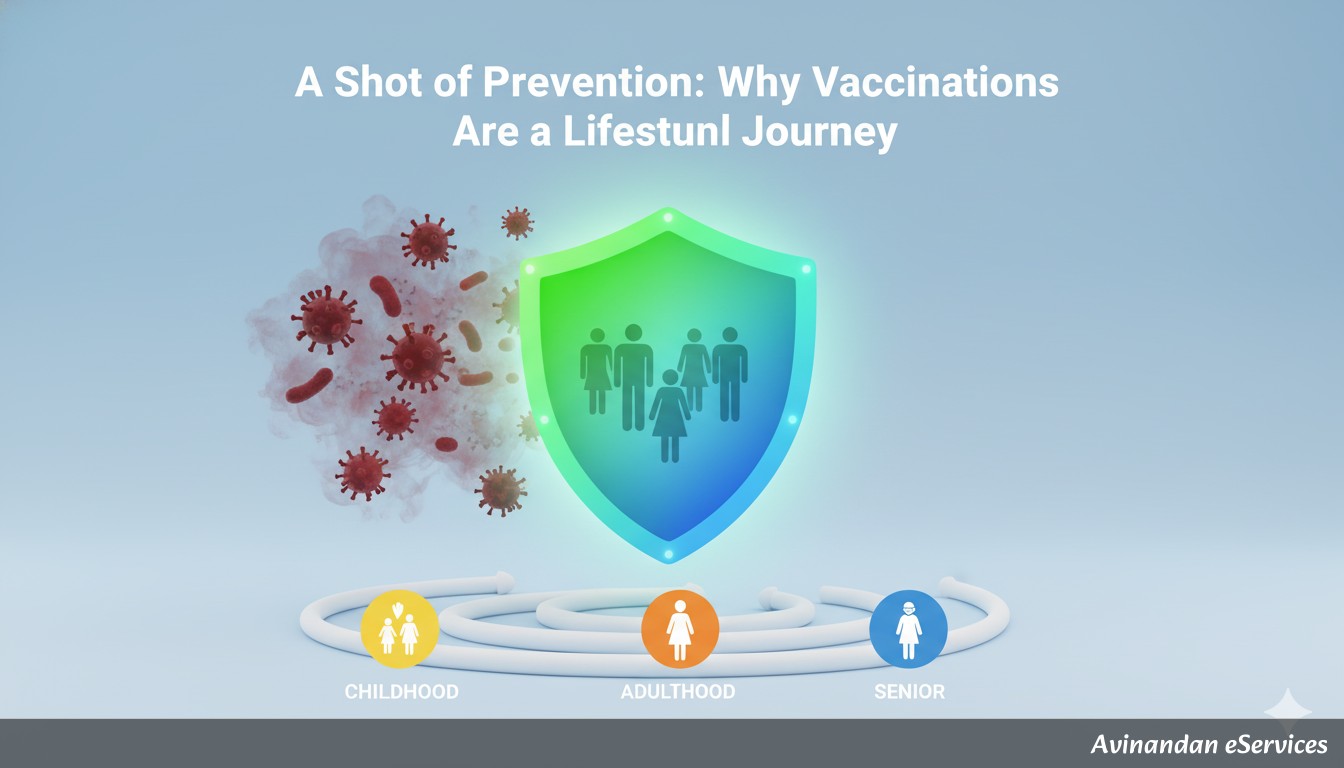
In the pursuit of overall well-being, few things are as fundamental and impactful as maintaining a balanced diet. It's the cornerstone of good health, providing the essential nutrients our bodies need to function optimally, ward off diseases, and maintain energy levels. But what exactly constitutes a balanced diet, and how can we practically incorporate its principles into our daily lives?
Understanding the Pillars of a Balanced Diet
At its core, a balanced diet involves consuming a variety of foods in appropriate proportions to ensure an adequate intake of macronutrients (carbohydrates, proteins, and fats) and micronutrients (vitamins and minerals). It's not about restrictive eating or deprivation, but rather about making informed choices that nourish your body from the inside out. Reputable health organizations like the World Health Organization (WHO) and the National Health Service (NHS) emphasize that a healthy diet protects against malnutrition and a range of noncommunicable diseases, including heart disease, diabetes, stroke, and cancer.
The primary goal is to achieve a balance between energy intake and expenditure to maintain a healthy weight. This involves focusing on nutrient-dense foods, which provide a wealth of vitamins, minerals, and fiber without excessive calories.
Key Components of a Healthy Eating Plan
1. Embrace Fruits and Vegetables
Fruits and vegetables are powerhouses of vitamins, minerals, dietary fiber, and antioxidants. They are recommended to make up over a third of your daily food intake, with a target of at least five portions per day. Including a variety of colorful fruits and vegetables ensures a diverse range of nutrients. For instance, dark leafy greens are rich in folate and iron, while orange and red vegetables often provide Vitamin A and C. They can be consumed fresh, frozen, canned, or dried, and are excellent for maintaining a healthy weight due to their generally low calorie content.
2. Prioritize Whole Grains
Starchy carbohydrates, particularly whole grains, should form the basis of your meals, making up just over a third of your food intake. Opt for whole-wheat pasta, brown rice, oats, and potatoes with their skins on. These are excellent sources of energy and fiber, which helps you feel fuller for longer. Whole grains also play a role in reducing the risk of cardiovascular disease, obesity, and type 2 diabetes.
3. Choose Lean Proteins
Protein is crucial for building and repairing tissues, supporting immune function, and providing sustained energy. Good sources of lean protein include fish, poultry, beans, lentils, eggs, and unsalted nuts and seeds. It's recommended to include a portion of fish weekly, with at least one portion being oily fish like salmon or mackerel, which are rich in omega-3 fatty acids.
4. Include Healthy Fats
Fats are essential for various bodily functions, but the type and amount consumed matter. Focus on unsaturated fats found in sources like olive oil, vegetable oils, avocados, nuts, and seeds. Reducing saturated fats (found in butter, fatty meats, and full-fat dairy) and eliminating trans-fats is key to heart health. The World Health Organization recommends that total fat intake should not exceed 30% of total energy intake, with a shift towards unsaturated fats.
5. Moderate Sugars and Salt
Limiting intake of free sugars to less than 10% of total energy intake is a critical component of a healthy diet, with a further reduction to below 5% offering additional benefits. High sugar intake is linked to dental caries, unhealthy weight gain, obesity, and increased risk factors for cardiovascular diseases. Similarly, keeping salt intake below 5g per day (less than 2g of sodium) helps prevent hypertension and reduces the risk of heart disease and stroke.
6. Stay Hydrated
Adequate fluid intake is vital for overall health. Aim for at least 6 to 8 glasses of fluids per day. Water, lower-fat milk, and lower-sugar drinks are healthier choices. While fruit juices and smoothies count towards fluid intake, they are high in sugar and should be consumed in moderation (no more than 150ml per day).
Practical Tips for Building a Balanced Diet
- Plan Your Meals: Taking time to plan your meals for the week can help ensure you have a good balance of nutrients and reduce reliance on quick, less healthy options.
- Read Food Labels: Pay attention to serving sizes, calories, and the amount of sugar, salt, and unhealthy fats.
- Cook at Home More Often: Preparing your own meals gives you greater control over ingredients and cooking methods.
- Portion Control: Be mindful of portion sizes to avoid overeating, even with healthy foods.
- Make Gradual Changes: Instead of overhauling your diet overnight, introduce changes gradually to make them more sustainable.
- Listen to Your Body: Pay attention to hunger and fullness cues.
By understanding the principles of a balanced diet and implementing practical strategies, you can significantly enhance your overall health, energy levels, and long-term well-being. A healthy diet is not just about avoiding illness; it's about thriving.
References
- World Health Organization (WHO) - Healthy Diet: https://www.who.int/news-room/fact-sheets/detail/healthy-diet
- National Health Service (NHS) - Healthy eating: https://www.nhs.uk/live-well/eat-well/healthy-eating/
- Mayo Clinic - Healthy Diet: https://www.mayoclinic.org/healthy-lifestyle/nutrition-and-healthy-eating/basics/healthy-diet/hlv-20049479
- NHS Inform - Eatwell Guide: https://www.nhsinform.scot/healthy-living/food-and-nutrition/eatwell-guide-how-to-eat-a-healthy-balanced-diet
- British Nutrition Foundation - A healthy balanced diet: https://www.nutrition.org.uk/healthyliving/balanced-diet.html
- Cleveland Clinic - Nutrition & Healthy Eating: https://my.clevelandclinic.org/health/articles/21645-nutrition-and-healthy-eating
Important Disclaimer
The information provided in this blog post is for educational purposes only and does not constitute professional medical advice. It is essential to consult with a qualified healthcare provider, such as a doctor or a registered dietitian, for any questions you may have regarding a medical condition or before making any decisions related to your health or treatment. This content is not intended to diagnose, treat, cure, or prevent any disease. Always seek the advice of your physician or other qualified health provider with any questions you may have regarding a medical condition.