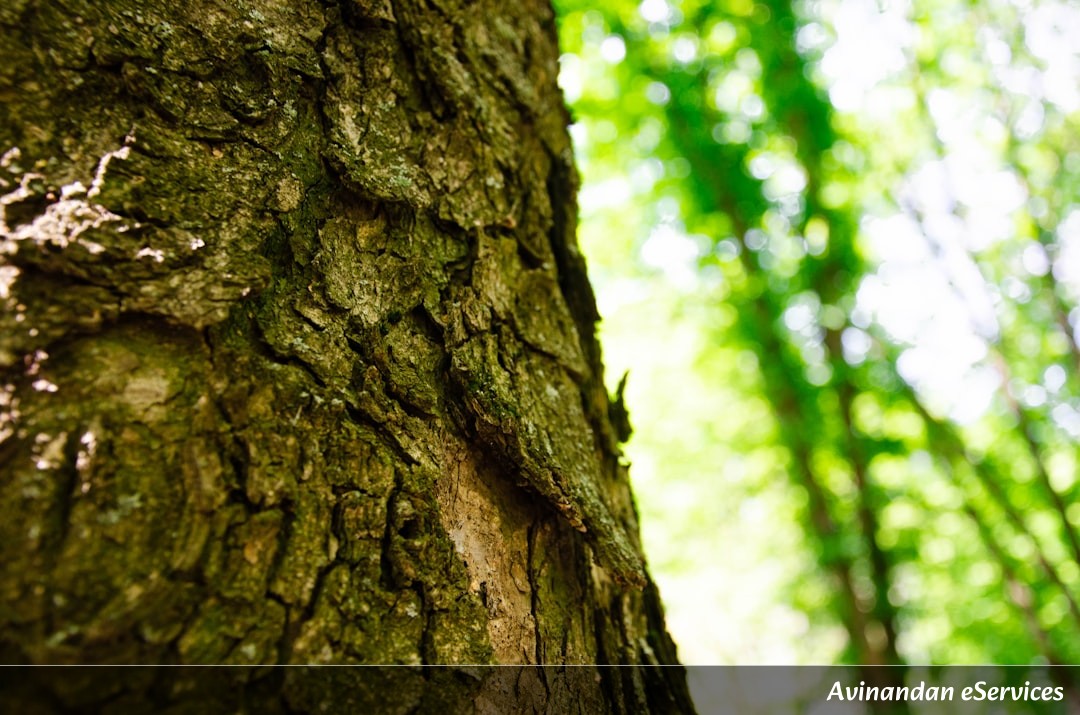
Arjun: Saanvi, I was walking in the park the other day, and I saw this tall acacia tree. It looked so calm, just standing there. But then, I remembered something you told me about plants reacting to things. Do you think that tree could *hear* me if I was, say, a hungry deer munching on its leaves?
Saanvi: That's a fantastic question, Arjun! While trees don't have ears like we do, they can absolutely 'sense' when something is trying to eat them, and they react! It’s not hearing in the way we understand it, but it’s a way of detecting danger.
Arjun: Woah, really? So, if a deer nibbled on its leaves, the tree would know?
Saanvi: Yes! Scientists have found that many plants, especially trees, can detect specific chemicals released by insects or animals that are eating them. Think of it like a plant's alarm system. When an insect chews on a leaf, it releases chemical signals. The plant 'smells' these chemicals, and this triggers a defense response.
Arjun: A defense response? Like what? Does it grow thorns really fast?
Saanvi: Sometimes! But it’s often more subtle. For example, the tree might start producing more of certain compounds that make its leaves taste bitter or even toxic to the herbivore. Or, it might release other chemicals into the air that attract the natural enemies of the pest – like a predator of the insect that's eating it! It's like the tree is calling for backup.
Arjun: Calling for backup? That's amazing! So, it’s like a secret message system for plants?
Saanvi: Exactly! These airborne chemicals are called Volatile Organic Compounds, or VOCs. When a plant is under attack, it releases these VOCs, and nearby plants of the same species can 'smell' these signals too. So, even if they aren't being eaten directly, they can prepare their defenses *before* the attack even reaches them.
Arjun: So, the other trees get a warning? That’s like having spies everywhere!
Saanvi: It really is! This is a form of plant communication. They can't chat like us, but they can send and receive chemical signals. Some research even suggests that plants can use these VOCs to communicate with beneficial insects, like bees, to help them pollinate. It’s a whole hidden world of plant communication that we're just starting to understand.
Arjun: This is so cool! How did scientists figure all this out?
Saanvi: It's been a journey of discovery! Early scientists noticed that when certain plants were attacked by pests, nearby plants seemed to become more resistant. They started studying the chemicals released by plants. One of the key experiments involved studying the Lima bean plant. When it was attacked by spider mites, it released VOCs. These VOCs didn't just alert other Lima bean plants; they also attracted predatory mites that eat spider mites! It was a double win for the plant.
Arjun: So, it’s not just about scaring away the attacker, but also calling in the good guys?
Saanvi: Precisely! And it’s not just about insects. Some trees can also sense damage from larger herbivores. For instance, studies on acacia trees in Africa showed that when giraffes started eating their leaves, the trees released more tannins. Tannins make the leaves taste bad and can even be hard for animals to digest, so the giraffes would move on to find a tastier meal.
Arjun: Wow. So, next time I see a tree, I should remember it’s not just standing there. It’s like a smart, watchful organism.
Saanvi: You've got it! They are constantly monitoring their environment and communicating with each other and with other organisms. This ability to 'hear' or sense danger through chemical signals is vital for their survival. It helps them defend themselves, warn their neighbors, and even recruit allies.
Arjun: I wonder if my potted plant at home can hear me talking to it. Maybe it's just waiting for me to water it!
Saanvi: (Laughs) Well, talking to your plants is good for *you*, and it might even help them grow because you're giving them attention and care. But their 'hearing' is more about chemical signals and vibrations from being eaten or touched in specific ways.
So, What Did We Learn Today?
- Plants, like trees, don't have ears but can detect danger through chemical signals released when they are attacked.
- This detection is often triggered by chemicals from chewing insects or damage from larger animals.
- Plants can release Volatile Organic Compounds (VOCs) into the air as a warning to other nearby plants.
- These VOCs can also attract natural predators of the pests, acting as a defense mechanism.
- Some plants produce unpalatable substances like tannins to deter herbivores.
- This ability to sense and respond to their environment is crucial for plant survival and communication.
Arjun: It’s incredible how much goes on that we can’t see! Trees are way smarter than I thought.