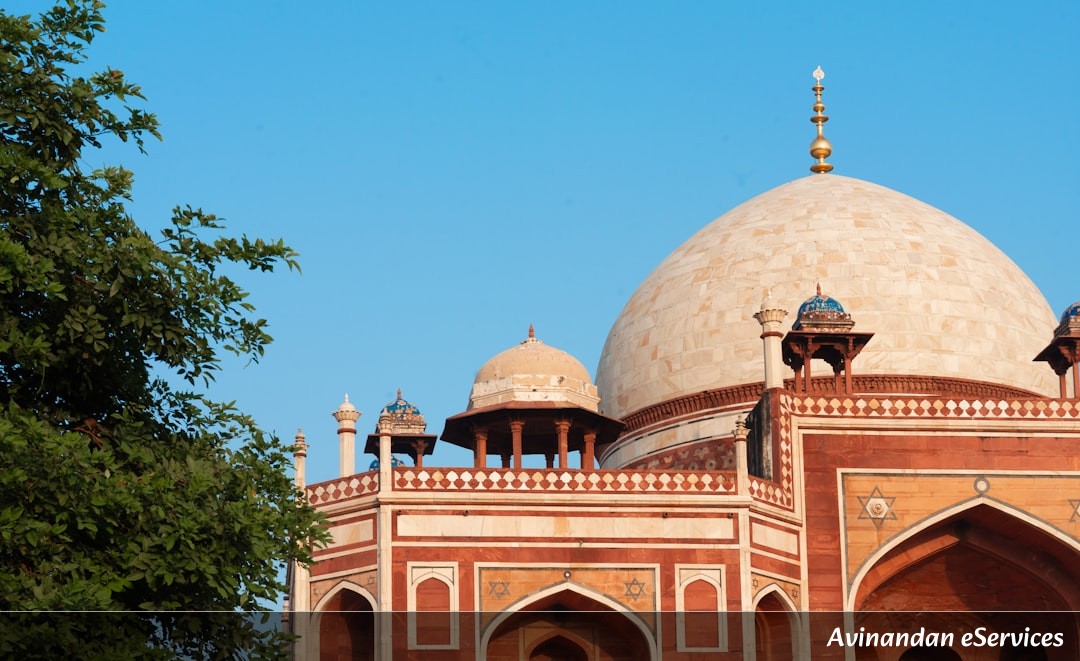
Introduction to the Mughal Empire for RRB Exams
The Mughal Empire stands as one of the most significant periods in Indian history, spanning from the early 16th century to the mid-19th century. For aspirants of RRB NTPC, RRB Group D, and RRB Technician exams, mastering the timeline, administrative reforms, and cultural contributions of the Mughals is essential. The empire was founded by Babur in 1526 and reached its zenith under Akbar, before gradually declining after the death of Aurangzeb in 1707. This blog post provides a comprehensive breakdown of the Mughal rulers, their battles, and the administrative systems that shaped Medieval India.
Topic Weightage and Importance
In the General Awareness section of RRB exams, History holds a weightage of approximately 5-7 questions. Within History, the Mughal Empire is a "high-yield" topic. Typically, you can expect 1 to 3 questions directly related to Mughal rulers, their monuments, or specific battles. Given the competitive nature of RRB NTPC (CBT-1 & CBT-2) and Group D, securing these marks can be the difference between selection and disqualification.
Key Concepts and Rulers of the Mughal Empire
1. Babur (1526–1530)
The founder of the Mughal Empire in India. He was a descendant of Timur and Genghis Khan.
- First Battle of Panipat (1526): Babur defeated Ibrahim Lodi, marking the end of the Delhi Sultanate.
- Battle of Khanwa (1527): Defeated Rana Sanga.
- Autobiography: Wrote Tuzuk-i-Baburi (Baburnama) in Chagatai Turkic.
2. Humayun (1530–1540 & 1555–1556)
His reign was interrupted by Sher Shah Suri of the Suri Dynasty.
- Battle of Chausa (1539) & Battle of Kannauj (1540): Humayun was defeated by Sher Shah Suri and fled to Persia.
- Return: He regained the throne in 1555 but died shortly after falling from his library stairs.
3. Akbar the Great (1556–1605)
Considered the greatest Mughal emperor for his administrative and religious reforms.
- Second Battle of Panipat (1556): Akbar’s general Bairam Khan defeated Hemu.
- Administration: Introduced the Mansabdari System and the Zabt/Dahshala System of land revenue.
- Religion: Founded Din-i-Illahi (Divine Faith) and built Ibadat Khana (House of Worship).
- Navratnas: His court had nine jewels, including Birbal, Tansen, and Raja Todar Mal.
4. Jahangir (1605–1627)
Known for his love for art, painting, and justice.
- Zanjir-i-Adal: The "Chain of Justice" established outside his palace.
- Foreign Visitors: Captain William Hawkins and Sir Thomas Roe visited his court representing the British East India Company.
5. Shah Jahan (1628–1658)
The "Engineer King" whose reign is called the Golden Age of Mughal Architecture.
- Monuments: Built the Taj Mahal, Red Fort (Delhi), Jama Masjid, and the Peacock Throne.
- Capital Shift: Shifted the capital from Agra to Delhi (Shahjahanabad).
6. Aurangzeb (1658–1707)
The last of the powerful Mughals, known as Alamgir (Conqueror of the World).
- Expansion: The empire reached its maximum territorial \textent during his reign.
- Policies: Reintroduced Jizya (tax on non-Muslims) and faced rebellions from Marathas (Shivaji), Sikhs, and Jats.
Key Administrative Terms
| Term | Definition |
|---|---|
| Mansabdar | A rank holder in the Mughal administrative system. |
| Zat & Sawar | Zat indicated personal status/salary; Sawar indicated the number of cavalrymen maintained. |
| Subah | A province (headed by a Subahdar). |
| Pargana | A group of villages within a district (Sarkar). |
Solved Examples (Step-by-Step)
Example 1: Which Mughal Emperor introduced the Mansabdari system?
Solution: Akbar. He introduced this system to organize the military and civil administration. Every officer was assigned a 'Mansab' (rank) which determined their status and salary.
Example 2: Match the following Battles with their Years: (A) First Battle of Panipat (B) Battle of Haldighati (C) Battle of Khanwa. Years: (1) 1527 (2) 1526 (3) 1576.
Solution: A-2 (1526), B-3 (1576), C-1 (1527). The First Battle of Panipat was between Babur and Ibrahim Lodi; Haldighati was between Akbar (Man Singh) and Maharana Pratap; Khanwa was between Babur and Rana Sanga.
Example 3: Who wrote the Humayun-nama?
Solution: Gulbadan Begum. She was the sister of Humayun and wrote the biography at the request of her nephew, Akbar.
Common Mistakes to Avoid
- Confusing the Battles of Panipat: Always remember: 1st Panipat (1526 - Babur vs Lodi), 2nd Panipat (1556 - Akbar vs Hemu), 3rd Panipat (1761 - Marathas vs Ahmad Shah Abdali).
- Sequence of Rulers: Use the mnemonic B-H-A-J-S-A (Babur, Humayun, Akbar, Jahangir, Shah Jahan, Aurangzeb) to remember the chronological order.
- Din-i-Illahi: Many students think it was a new religion forced on people; actually, it was a socio-religious path that had very few followers (Birbal was one of them).
- Architecture: Don't confuse the Buland Darwaza (Fatehpur Sikri, built by Akbar) with the Gateway of India (British era).
Practice Questions with Solutions
1. Who was the last Mughal Emperor to sit on the Peacock Throne?
2. Under which ruler's reign did the Mughal Empire face the most Maratha resistance?
3. Which Mughal Emperor is buried in Kabul?
4. The Ibadat Khana was built by Akbar at which location?
5. Who was the revenue minister of Akbar who introduced the Dahshala system?
6. During whose reign did the British East India Company receive the Farman to trade in India?
Solutions:
1. Muhammad Shah 'Rangila' (The Peacock Throne was taken by Nadir Shah in 1739).
2. Aurangzeb (Resistance led by Chhatrapati Shivaji Maharaj).
3. Babur (Initially buried in Agra, later shifted to Kabul).
4. Fatehpur Sikri.
5. Raja Todar Mal.
6. Jahangir (Permission granted to Sir Thomas Roe).
Frequently Asked Questions (FAQs)
Q1: Who was the last official Mughal Emperor?
A: Bahadur Shah II (also known as Bahadur Shah Zafar), who was exiled by the British after the Revolt of 1857.
Q2: What was the medium of court language in the Mughal Empire?
A: Persian was the official court language, although the Mughals were of Chaghatai Turkic origin.
Q3: Why is Shah Jahan’s reign called the Golden Age of Architecture?
A: Due to the construction of magnificent white marble structures like the Taj Mahal and Moti Masjid, characterized by intricate carvings and inlay work (Pietra Dura).
Conclusion and Final Tips
The Mughal Empire is a cornerstone of Indian history and a vital topic for RRB exams. To master this section, focus on Chronology, Battles, and Administrative Terms. Use tables to compare the revenue systems and cultural contributions of each king. Regular revision of the 'Navratnas' and the foreign travelers who visited the courts will give you an edge over others. Stay consistent in your preparation, and you will surely secure these marks in your upcoming RRB NTPC or Group D exam. Good luck!