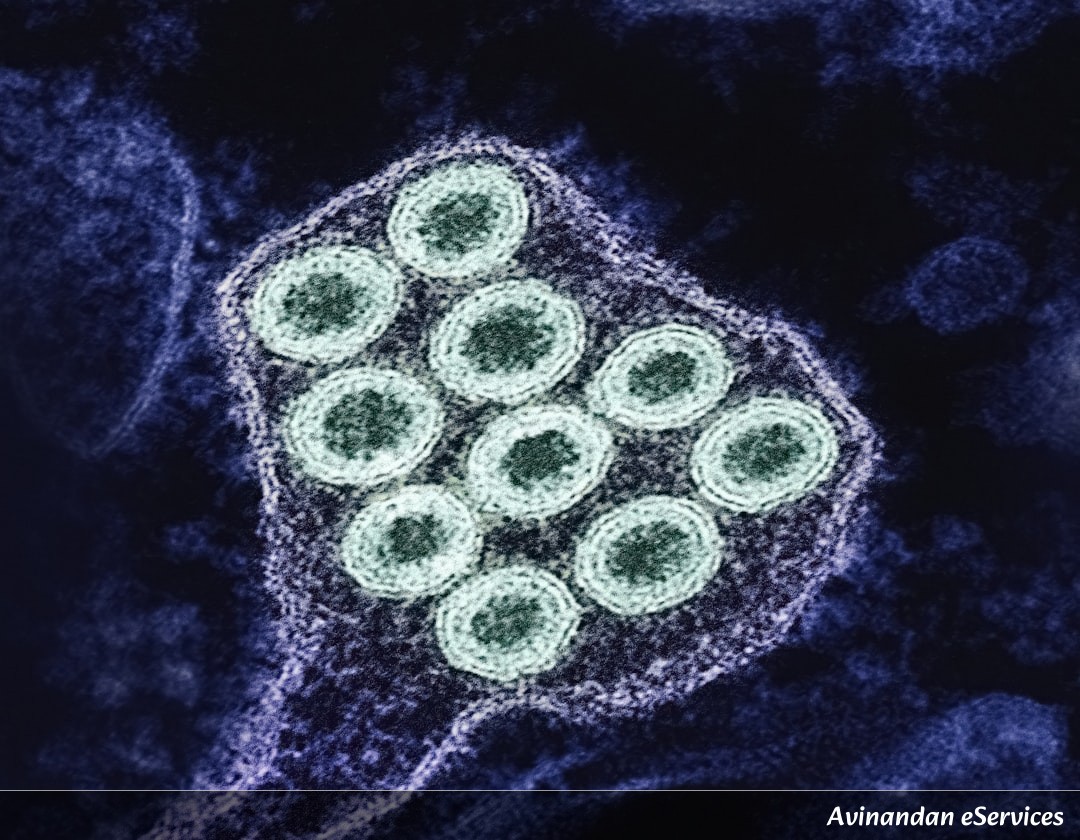
Introduction to Human Diseases for RRB Exams
General Science is a cornerstone of the Indian Railway Recruitment Board (RRB) exams, including RRB NTPC, Group D, and Technician Grade I & III. Among the various branches of Biology, the study of Human Diseases and Their Causes holds immense significance. This topic not only tests your knowledge of biological pathogens like viruses, bacteria, and protozoa but also evaluates your understanding of public health, vaccinations, and diagnostic methods.
A disease is essentially a condition that impairs the normal functioning of an organism. For an RRB aspirant, mastering this topic means being able to distinguish between communicable and non-communicable diseases, identifying specific pathogens, and knowing the latest medical breakthroughs in disease prevention. This guide provides an exhaustive breakdown of everything you need to know for the upcoming RRB recruitment cycles.
Topic Weightage and Importance
In the General Science section of RRB NTPC (CBT-1 and CBT-2) and RRB Group D, Biology usually accounts for 30-40% of the questions. Within Biology, Human Diseases is a high-yield topic. Based on the analysis of previous year papers:
- RRB NTPC: 2-3 questions per shift.
- RRB Group D: 3-4 questions per shift, often focusing on deficiency diseases and pathogens.
- RRB Technician: 2 questions focusing on the scientific names of pathogens and vaccines.
Understanding this topic is not just about scoring marks; it is about efficiency. Questions on diseases are factual and can be answered within seconds, saving precious time for the Mathematics and Reasoning sections.
Key Concepts and Classifications
Diseases are broadly classified based on their duration and their mode of transmission. To excel in RRB exams, you must memorize the following categories and their representative diseases.
1. Based on Transmission
- Communicable Diseases: These are infectious diseases caused by pathogens (bacteria, viruses, fungi, protozoa) and can spread from one person to another via air, water, food, or physical contact.
- Non-Communicable Diseases (NCDs): These are non-infectious and cannot spread from person to person. Examples include cancer, diabetes, and cardiovascular diseases.
2. Bacterial Diseases
Bacteria are prokaryotic microorganisms. Many are beneficial, but some are pathogenic. Below is a list of significant bacterial diseases relevant to RRB exams:
| Disease | Pathogen (Bacteria) | Affected Organ/System |
|---|---|---|
| Tuberculosis (TB) | Mycobacterium tuberculosis | Lungs |
| Cholera | Vibrio cholerae | Intestines (Waterborne) |
| Typhoid | Salmonella typhi | Intestines (Widal Test) |
| Tetanus | Clostridium tetani | Nervous System (Lockjaw) |
| Leprosy | Mycobacterium leprae | Skin and Nerves |
| Plague | Yersinia pestis | Lymph nodes (Rat flea vector) |
| Pneumonia | Streptococcus pneumoniae | Lungs (Alveoli) |
3. Viral Diseases
Viruses are submicroscopic infectious agents that replicate only inside the living cells of an organism. They are a favorite topic for RRB examiners.
| Disease | Virus | Key Feature |
|---|---|---|
| AIDS | HIV (Human Immunodeficiency Virus) | ELISA Test; affects T-lymphocytes |
| Polio | Poliovirus | Nervous system; OPV vaccine |
| Dengue | Dengue virus (Flavivirus) | Aedes aegypti mosquito; Platelet drop |
| Hepatitis | Hepatitis Virus (A, B, C, D, E) | Affects the Liver; Jaundice symptoms |
| Smallpox | Variola virus | First disease eradicated globally |
| Chickenpox | Varicella-zoster virus | Skin rashes and fever |
| Rabies | Lyssavirus | Hydrophobia (fear of water) |
4. Protozoan and Fungal Diseases
Protozoans are single-celled eukaryotes, while fungi are multicellular (except yeast) decomposers. These diseases often involve vectors.
- Malaria: Caused by Plasmodium (Protozoa). Vector: Female Anopheles mosquito. Affects RBCs and Spleen.
- Kala-azar (Leishmaniasis): Caused by Leishmania donovani. Vector: Sandfly. Affects bone marrow.
- Amoebic Dysentery: Caused by Entamoeba histolytica. Affects the large intestine.
- Ringworm: Caused by fungi like Microsporum and Trichophyton. Fungal skin infection.
- Athlete's Foot: Caused by Tinea pedis fungus.
5. Genetic and Deficiency Diseases
- Hemophilia: Genetic disorder where blood doesn't clot.
- Color Blindness: Inability to distinguish between red and green.
- Scurvy: Deficiency of Vitamin C (Bleeding gums).
- Goitre: Deficiency of Iodine (Swollen thyroid gland).
Solved Examples (Step-by-Step)
Example 1: Which of the following diseases is caused by a protozoan and transmitted by the Sandfly?
A) Malaria
B) Dengue
C) Kala-azar
D) Typhoid
Solution:
1. Identify the vector mentioned: Sandfly.
2. Malaria is transmitted by the Anopheles mosquito.
3. Dengue is transmitted by the Aedes mosquito.
4. Typhoid is bacterial and transmitted through contaminated food/water.
5. Kala-azar is caused by Leishmania (protozoan) and transmitted by the Sandfly.
Answer: C
Example 2: The BCG vaccine is primarily used to provide immunity against which disease?
A) Polio
B) Tuberculosis
C) Smallpox
D) Tetanus
Solution:
1. BCG stands for Bacillus Calmette-Guérin.
2. It was developed to fight the Mycobacterium tuberculosis bacteria.
3. Therefore, it is the vaccine for Tuberculosis.
Answer: B
Example 3: Which test is used for the diagnosis of Typhoid fever?
A) ELISA Test
B) Widal Test
C) Western Blot
D) MRI
Solution:
1. ELISA is used for HIV/AIDS detection.
2. Western Blot is a confirmatory test for HIV.
3. MRI is an imaging technique.
4. Widal Test is the specific serological test for Salmonella typhi (Typhoid).
Answer: B
Common Mistakes to Avoid
- Confusing Vectors and Pathogens: Remember that a pathogen is the 'causative agent' (e.g., Plasmodium), while a vector is the 'carrier' (e.g., Female Anopheles).
- Virus vs. Bacteria: Many students confuse Tuberculosis (Bacterial) with Viral diseases. Memorize the list of bacterial diseases specifically.
- Mixing Vaccines: Do not confuse DPT (Diphtheria, Pertussis, Tetanus) with BCG or Polio drops.
- Ignorance of Tests: Questions on diagnostic tests (like Widal or ELISA) are very common. Do not skip them.
Practice Questions with Solutions
1. Which organ is primarily affected by the disease 'Hepatitis'?
2. 'Hydrophobia' is a characteristic symptom of which disease?
3. Name the vector responsible for spreading the Zika virus.
4. Which disease is also known as 'Hansen's Disease'?
5. Minamata disease is caused by the toxicity of which element?
6. Which part of the human body is affected by 'Pyorrhea'?
7. Is 'Diabetes Mellitus' a communicable or non-communicable disease?
Solutions
- Liver: Hepatitis causes inflammation of the liver tissue.
- Rabies: Caused by the rabies virus; patients develop a fear of water.
- Aedes aegypti mosquito: Same vector as Dengue and Yellow Fever.
- Leprosy: Named after Gerard Armauer Hansen.
- Mercury (Hg): It was first discovered in Minamata City, Japan.
- Gums: It is a bacterial infection affecting the tissues surrounding the teeth.
- Non-communicable: It is a metabolic disorder, not an infection.
Frequently Asked Questions (FAQs)
Q1: What is the difference between a pandemic and an epidemic?
A: An epidemic is a sudden increase in disease cases in a specific geographical area. A pandemic is an epidemic that has spread over several countries or continents, affecting a large number of people (e.g., COVID-19).
Q2: Why is the Female Anopheles the only one that spreads Malaria?
A: Only female mosquitoes bite humans because they need the nutrients in blood to produce eggs. Male mosquitoes feed on nectar.
Q3: What are 'Vaccines' actually made of?
A: Vaccines usually contain weakened or killed forms of the microbe, its toxins, or one of its surface proteins to stimulate the body's immune system.
Conclusion and Final Tips
Mastering the topic of Human Diseases is essential for anyone aspiring to crack the RRB NTPC or Group D exams. The key is consistent revision of the tables provided in this guide. Focus on the relationship between the pathogen, the vector, and the affected organ. As you prepare, try to link current affairs (like new vaccine rollouts) with your static biological knowledge.
Remember, the General Science section can be your greatest strength. Stay curious, keep practicing previous year questions, and you will surely secure a high score. Good luck with your preparation!