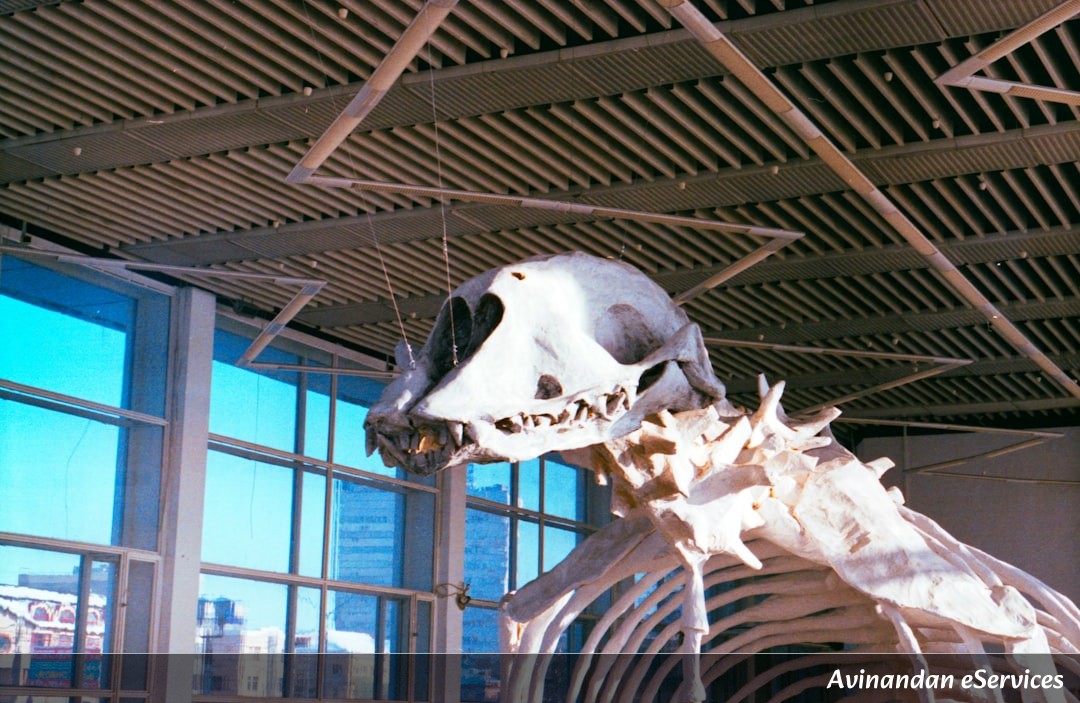
Introduction to the Human Skeleton and Muscular System for RRB Exams
The human body is an architectural marvel, and at its core lie the Skeletal and Muscular systems. These two systems work in tandem, often referred to collectively as the musculoskeletal system, to provide shape, support, stability, and movement to the body. For aspirants of the Railway Recruitment Board (RRB) exams like NTPC, Group D, and Technician, Biology is a significant portion of the General Science section. Understanding the intricacies of bones, joints, and muscles is crucial because questions from this topic are frequently asked in various shifts of the CBT (Computer Based Test).
The skeletal system serves as the internal framework, protecting vital organs such as the brain, heart, and lungs, while the muscular system allows us to perform every action, from the blink of an eye to running a marathon. In this comprehensive guide, we will break down these systems into easy-to-learn segments, covering the types of bones, the structure of joints, and the functions of different muscle groups, all tailored to the RRB syllabus.
Topic Weightage and Importance
In RRB exams (NTPC and Group D), General Science usually carries 20-25 questions, out of which Biology accounts for nearly 40-50%. The 'Human Skeleton and Muscular System' is a high-yield topic. Based on previous years' analysis, you can expect 1 to 2 questions directly from this section. These questions typically focus on the names of specific bones (like the smallest or longest bone), types of joints (hinge, ball and socket), and the difference between ligaments and tendons. Mastering this topic ensures you don't lose out on easy marks in the General Awareness/Science section.
Key Concepts and Formulas
1. The Human Skeletal System
An adult human body has 206 bones, whereas a newborn baby has around 270 to 300 bones, which eventually fuse together as they grow. The skeletal system is divided into two main parts:
- Axial Skeleton (80 Bones): Includes the skull, vertebral column, ribs, and sternum. It forms the central axis of the body.
- Appendicular Skeleton (126 Bones): Includes the bones of the limbs (arms and legs) and the girdles (pectoral and pelvic) that attach the limbs to the axial skeleton.
2. Classification of Bones
| Type | Example | Function |
|---|---|---|
| Long Bones | Femur (Thigh), Humerus (Upper Arm) | Support weight and facilitate movement. |
| Short Bones | Carpals (Wrist), Tarsals (Ankle) | Provide stability and some movement. |
| Flat Bones | Sternum (Breastbone), Cranium (Skull) | Protect internal organs. |
| Irregular Bones | Vertebrae, Mandible (Lower Jaw) | Varying complex shapes for specific functions. |
| Sesamoid Bones | Patella (Kneecap) | Embedded in tendons to protect them. |
3. Important Facts about Bones
- Longest and Strongest Bone: Femur (Thigh bone).
- Smallest Bone: Stapes (located in the middle ear).
- Hardest Substance in the Body: Tooth Enamel (often associated with the skeletal system study).
- Bone Composition: Bones are made of Calcium Phosphate and Collagen.
- Bone Cells: Osteoblasts (form bone), Osteoclasts (resorb bone), and Osteocytes (maintain bone).
4. Joints and Connective Tissues
Joints are the points where two or more bones meet. They are classified based on mobility:
- Fibrous Joints (Immovable): Found in the skull sutures.
- Cartilaginous Joints (Slightly Movable): Found between vertebrae.
- Synovial Joints (Freely Movable): These include:
- Ball and Socket: Shoulder and Hip.
- Hinge: Elbow and Knee.
- Pivot: Neck (Atlas/Axis).
- Gliding: Wrist.
Crucial Connective Tissues:
- Ligament: Connects Bone to Bone.
- Tendon: Connects Muscle to Bone.
5. The Muscular System
There are over 639 muscles in the human body. They are categorized into three types:
- Skeletal Muscle: Voluntary, striated, attached to bones (e.g., Biceps).
- Smooth Muscle: Involuntary, non-striated, found in internal organs (e.g., Stomach).
- Cardiac Muscle: Involuntary, striated, found only in the heart.
Solved Examples (Step-by-Step)
Example 1: Which of the following connects a bone to another bone?
A) Tendon
B) Ligament
C) Cartilage
D) Muscle
Solution: The correct answer is B) Ligament.
Step-by-step: Remember the mnemonic "BLB" (Bone-Ligament-Bone) and "MTB" (Muscle-Tendon-Bone). Since the question asks for bone-to-bone connection, Ligament is the answer.
Example 2: How many bones are present in the human skull (including the cranium and face)?
A) 14
B) 8
C) 22
D) 33
Solution: The correct answer is C) 22.
Step-by-step: The skull consists of 8 cranial bones (protecting the brain) and 14 facial bones. 8 + 14 = 22.
Example 3: What type of joint is found in the human shoulder?
A) Hinge Joint
B) Pivot Joint
C) Ball and Socket Joint
D) Fixed Joint
Solution: The correct answer is C) Ball and Socket Joint.
Step-by-step: The shoulder allows movement in multiple directions (rotation, abduction, etc.), which is characteristic of a ball and socket joint. A hinge joint (like the elbow) only allows back-and-forth movement.
Common Mistakes to Avoid
- Confusing Tendons and Ligaments: This is the most common error. Always remember: Ligament = Bone to Bone; Tendon = Muscle to Bone.
- Bone Counts: Students often confuse the total number of bones (206) with the number of bones in specific parts like the hand or foot. Ensure you memorize specific breakdowns.
- Smallest Bone Location: Many know the 'Stapes' is the smallest bone but forget it is located in the middle ear.
- Muscle Types: Don't confuse voluntary and involuntary muscles. Skeletal muscles are the only ones you can consciously control.
- Knee Joint Type: Though the knee is complex, for RRB exams, it is primarily classified as a Hinge joint.
Practice Questions with Solutions
- Which is the longest bone in the human body?
- What is the total number of ribs in the human rib cage?
- Which pigment provides oxygen to the muscles?
- What is the study of bones called?
- Which joint allows the most range of motion?
- What is the chemical name of the mineral that makes bones hard?
- Name the bone that is also known as the 'Kneecap'.
Solutions:
- 1. Femur: It is the thigh bone and the strongest bone.
- 2. 24 (12 pairs): There are 12 pairs of ribs, including true, false, and floating ribs.
- 3. Myoglobin: Similar to hemoglobin in blood, myoglobin stores oxygen in muscle cells.
- 4. Osteology: The scientific study of bones.
- 5. Ball and Socket Joint: Found in the shoulder and hip.
- 6. Calcium Phosphate: Hydroxyapatite is the specific crystalline form.
- 7. Patella: A sesamoid bone that protects the knee joint.
Frequently Asked Questions (FAQs)
1. Why do babies have more bones than adults?
Babies are born with approximately 300 components that are a mix of bones and cartilage. As the child grows, many of these smaller bones fuse together to form larger, stronger bones, resulting in the standard 206 bones in adulthood.
2. What is the difference between Red Bone Marrow and Yellow Bone Marrow?
Red Bone Marrow is responsible for the production of red blood cells, white blood cells, and platelets (Hematopoiesis). Yellow Bone Marrow consists mainly of fat cells and serves as energy storage.
3. What causes muscle cramps during heavy exercise?
Muscle cramps are often caused by the accumulation of Lactic Acid due to anaerobic respiration when oxygen supply to the muscles is insufficient during intense physical activity.
Conclusion and Final Tips
The Human Skeleton and Muscular System is a foundation stone of Human Physiology. For RRB NTPC, Group D, and Technician exams, focusing on nomenclature (names of bones), locations, and the functional differences between tissues will give you a competitive edge. Use mnemonics to remember the difference between tendons and ligaments, and try to visualize the joints in your own body while studying. Consistent revision of these facts, coupled with practicing previous year questions, will ensure you score full marks in this section. Stay focused, keep practicing, and your hard work will surely lead you to a career in the Indian Railways!