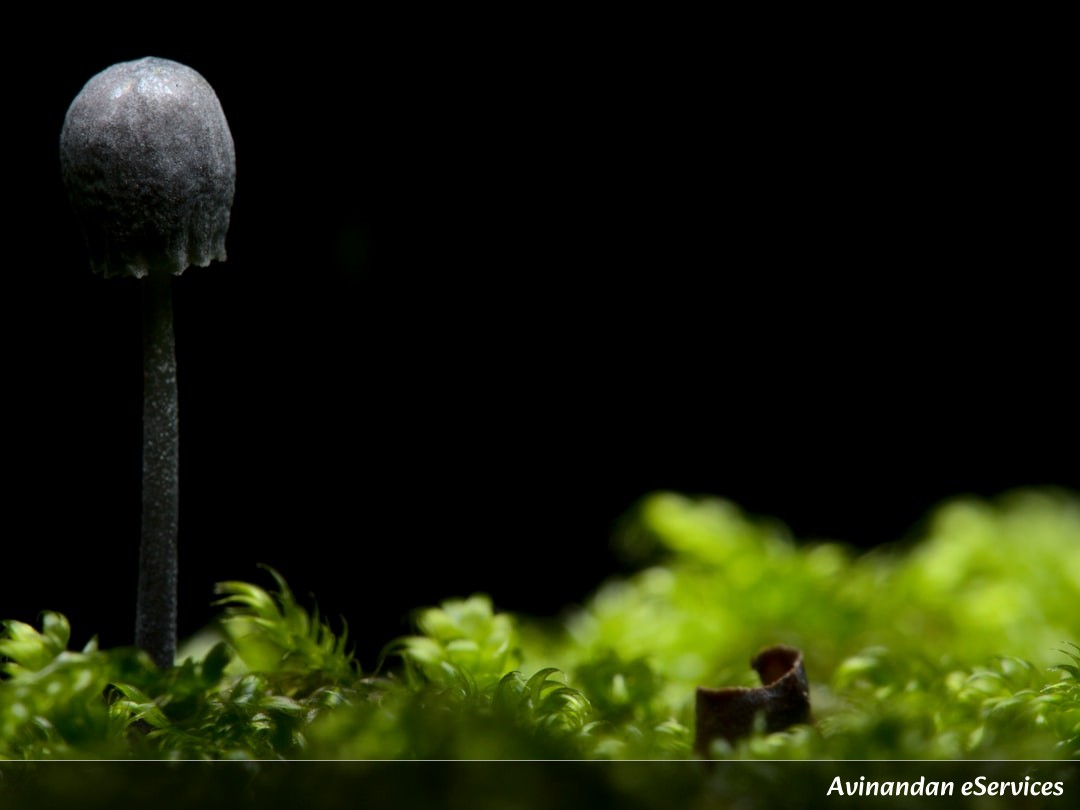
Aarav: Hey Isha, look at this mushroom I found near the damp corner of the garden! It’s just sitting there, completely still. It doesn't move, it doesn't have wings, and there isn't even a tiny breeze today. How on earth do these things spread their 'seeds' if they are stuck on the ground in such a quiet, still place?
Isha: That is a brilliant observation, Aarav! You’ve actually stumbled upon one of the coolest secrets of the fungal world. Those 'seeds' you're talking about are actually called spores. And you’re right—usually, plants and fungi need the wind to carry their offspring to new places. But many mushrooms grow in damp, sheltered spots where the air is totally stagnant. So, do you know what they do? They make their own wind!
Aarav: No way! You’re joking, right? How can a tiny mushroom, which doesn't even have lungs or fans, create wind? Is it like a tiny explosion?
Isha: Not quite an explosion, but it’s pure physics! For a long time, scientists thought mushrooms were just 'passive'—meaning they just waited for a gust of wind to come by. But a few years ago, researchers used high-speed cameras and laser light to look closer. They discovered that mushrooms are actually 'active' engineers of the atmosphere.
Aarav: Laser lights and high-speed cameras? This sounds like a spy movie! Tell me how it works, Isha. How does the mushroom actually move the air?
Isha: It all comes down to water vapor. You see, mushrooms are very moist. As they release water vapor into the air through evaporation, that water vapor actually changes the air around the mushroom. Because water vapor is less dense than the dry air around it, and because the evaporation cools the air down, it creates a tiny temperature difference.
Aarav: Wait, I think I remember this from science class. Warm air rises and cool air sinks, right? But how does that make wind?
Isha: Exactly! As the mushroom 'sweats' out water vapor, the air around it becomes cooler and more humid. This creates a tiny, localized convection current. It’s basically a miniature weather system! This cooling effect creates an updraft—a small current of air that flows upward and outward from the mushroom’s cap. This 'fungal wind' is strong enough to lift the microscopic spores into the air, even when the rest of the forest is perfectly still.
Aarav: That is incredible! So the mushroom is basically making its own little elevator to lift its spores into the sky?
Isha: That’s a perfect way to put it! And get this: the wind they create is actually quite powerful relative to their size. It can carry the spores several centimeters away. Once the spores are lifted into that moving air, they can catch even the tiniest outside breeze that is higher up, allowing them to travel kilometers away to start a new fungal colony.
Aarav: Wow. So it’s not just one mushroom doing it alone? Do they work together?
Isha: Actually, yes! Scientists found that when mushrooms grow in a cluster, they can pool their moisture together to create even stronger drafts of air. It’s like a team effort to make sure their spores get as far away as possible. They are literally changing the climate of the tiny space they live in just to survive.
Aarav: I’ll never look at a boring mushroom the same way again. They aren't just sitting there; they are little weather machines! But why do they need to go so far? Why can't the spores just land right next to the parent?
Isha: If all the spores landed in the same spot, they would all be competing for the same food and space. By creating their own wind, mushrooms ensure their 'kids' find new territory with plenty of decaying leaves and wood to eat. It’s a survival strategy that has worked for millions of years.
Aarav: Science is so much weirder than I thought. I thought only big things like oceans and mountains could change the weather, but it’s happening right here in our backyard under a leaf!
So, What Did We Learn Today?
- Mushrooms aren't passive: They don't just wait for the wind; they actively create it to move their spores.
- The power of evaporation: By releasing water vapor, mushrooms cool the air around them, creating temperature differences.
- Convection currents: These temperature differences create tiny updrafts called convection currents that act like a 'wind' to lift spores.
- Teamwork: Groups of mushrooms can work together to create even stronger air currents than a single mushroom could.
- Atmospheric Engineering: This process allows mushrooms to spread their offspring even in the most still, stagnant environments like deep forest floors.
Aarav: This is so cool, Isha! Next time it's a super hot day, I'm going to stand next to a bunch of mushrooms and see if I can feel their 'air conditioning'!
Isha: Haha, you might need to be the size of an ant to feel it, Aarav, but the physics is definitely there!