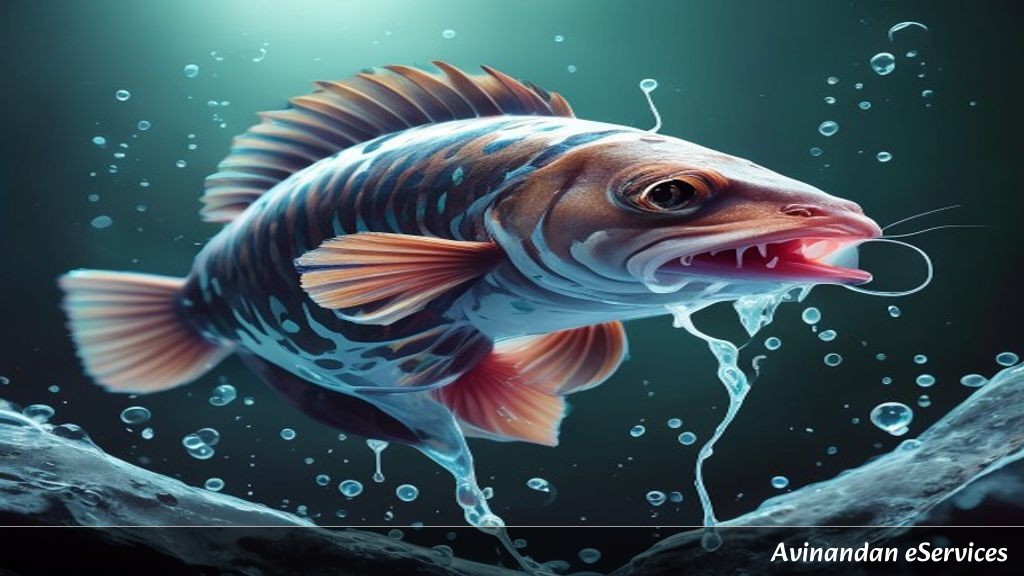
Aarav: Priya, you have to see this! I was scrolling through some nature photos, and I found this creature that looks like a smiling pink dragon with fluffy feathers on the sides of its head. Is this even a real animal or just a cartoon character?
Priya: Haha, I know exactly what you’re looking at, Aarav! That’s an axolotl. They are very real, though they definitely look like they belong in a fantasy movie. But believe me, their looks are the least interesting thing about them. They are basically the superheroes of the biology world.
Aarav: Superheroes? Do they fly? Or maybe they have laser eyes? Because those pink ‘feathers’ look like they could be antennas for communicating with aliens!
Priya: Not quite! Those pink frills are actually their \texternal gills, which they use to breathe underwater. But their real superpower is much cooler than flying. Axolotls have the most incredible healing ability in the entire animal kingdom. If they lose a leg, they don’t just heal with a scar like we do—they grow a brand-new, perfect leg back in just a few weeks!
Aarav: Wait, what? A whole leg? I remember when I scraped my knee last summer, it took forever to heal, and I still have a tiny scar. You’re saying they can just... pop a new leg out?
Priya: Exactly! And it’s not just legs. They can regrow their tail, their spinal cord, and even parts of their heart. But the most mind-blowing part? Scientists have discovered that axolotls can actually regrow parts of their brain!
Aarav: No way! Their brain?! Priya, that’s impossible. If a brain gets damaged, that’s usually it, right? How can an animal just make more brain cells and put them in the right place?
Priya: It sounds like science fiction, doesn't it? But here is how it works. When an axolotl gets injured, its cells do something called 'dedifferentiation.' In humans, once a cell becomes a skin cell or a muscle cell, it stays that way forever. But an axolotl can tell its cells to go back in time! They turn back into 'blank' stem cells, which then form a little bump called a blastema at the site of the injury.
Aarav: So, the cells forget what they were and become like LEGO bricks that can be built into anything?
Priya: That’s a perfect way to put it! Those cells in the blastema start multiplying and then transform into exactly what is needed—bone, muscle, nerves, or even complex brain tissue. They have a biological map that tells them exactly how to rebuild the missing piece perfectly, with no scarring at all.
Aarav: Wow, how does that work? Why can’t we do that? If I could regrow my cells, I wouldn't have to worry about falling off my cycle!
Priya: That is the multi-million dollar question, Aarav! Scientists are studying axolotls right now to find that out. One theory is that it’s linked to their 'neoteny.' That’s a fancy word which means they never really 'grow up.' Most salamanders start as larvae in the water and then transform into adults that live on land. But the axolotl stays in its baby-like aquatic form its entire life. It keeps its gills and stays in the water, essentially remaining a permanent teenager.
Aarav: So they’re like the Peter Pan of the animal world? They just refuse to grow up?
Priya: Precisely! Because they stay in this larval state, their bodies keep the high-speed growth and healing powers that most animals only have when they are embryos. Their immune system is also very different from ours. When we get a deep cut, our immune system rushes to close the wound as fast as possible to prevent infection, which creates scar tissue. But the axolotl’s immune response is much more patient. It focuses on regeneration rather than just patching things up.
Aarav: That is so cool. But where do these 'smiling dragons' live? I’ve never seen one at the local pond.
Priya: They are actually very rare in the wild. They are native to only one place in the world: the lake complex of Xochimilco, near Mexico City. Unfortunately, they are critically endangered because of pollution and habitat loss. Most of the axolotls people see today are in research labs or kept as pets.
Aarav: It would be a total disaster if they went \textinct. Imagine what we could learn from them! If we could figure out how they regrow their hearts, we could help people with heart disease, right?
Priya: Spot on! Doctors are hoping that by studying axolotl DNA, they can find the ‘switches’ that turn on regeneration. Imagine a future where we could help people regrow damaged nerves or even repair organs after an illness. All because of a little pink salamander that decided it didn’t want to grow up.
Aarav: Science is amazing, Priya. One day I’m looking at a cute photo, and the next day I’m learning that a smiling fish-thing might hold the secret to the future of medicine. I think I have a new favorite animal!
Priya: They really are special. They remind us that nature has already solved some of the hardest problems; we just have to be curious enough to find the answers.
So, What Did We Learn Today?
- Priya: We learned that the axolotl is a unique salamander from Mexico that can regrow its limbs, heart, spinal cord, and even its brain!
- Aarav: I learned that they use 'blank' stem cells to build a blastema, which acts like a building kit to replace missing body parts without any scars.
- Priya: We also discovered the concept of neoteny, which is why axolotls keep their youthful, aquatic features and gills for their entire lives.
- Aarav: And most importantly, studying these little guys could help scientists figure out how to help humans heal better in the future!
Aarav: Thanks for the lesson, Priya! I'm going to go read more about these 'Peter Pan' salamanders now.