Introduction to the Mughal Empire for RRB Exams
The Mughal Empire stands as one of the most significant chapters in medieval Indian history. For aspirants appearing for RRB NTPC, Group D, and Technician exams, the Mughal period (1526–1707) is a high-yield topic in the General Awareness section. Understanding the timeline, major battles, administrative policies, and architectural contributions of the Mughal emperors is crucial for scoring well.
Topic Weightage and Importance
In the General Awareness section of RRB examinations, history questions frequently focus on the 'Great Mughals.' On average, you can expect 2 to 4 questions in every paper. These questions typically revolve around dates of important battles, the sequence of rulers, famous administrative reforms (like Mansabdari), and major monuments built during their reign.
Key Concepts and Rulers
The Mughal Empire was established by Babur after the First Battle of Panipat. Here is a quick reference table for the key rulers:
| Ruler | Period | Major Significance |
|---|---|---|
| Babur | 1526–1530 | Founder of the Empire, First Battle of Panipat (1526). |
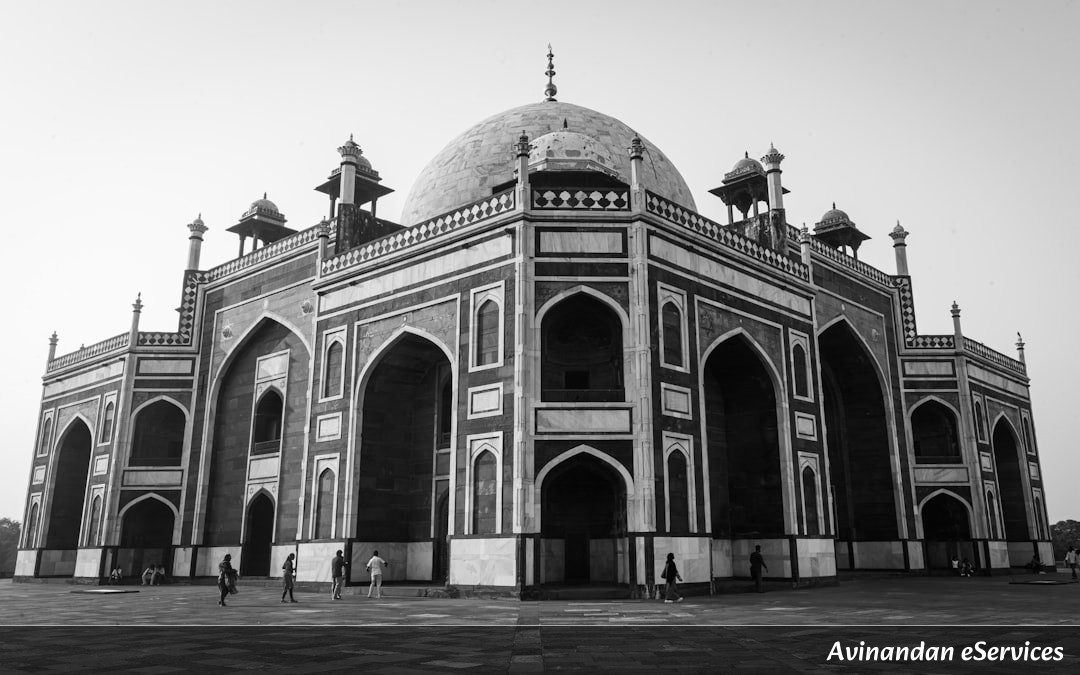
| Humayun | 1530–1540, 1555–1556 | Faced exile, reclaimed Delhi, built Dinpanah. |
| Akbar | 1556–1605 | Second Battle of Panipat, Mansabdari system, Din-i-Ilahi. |
| Jahangir | 1605–1627 | Golden age of painting, visited by Captain Hawkins. |
| Shah Jahan | 1628–1658 | Golden age of architecture (Taj Mahal, Red Fort). |
| Aurangzeb | 1658–1707 | Last of the 'Great Mughals', expanded empire to its peak. |
Important Concepts
- Mansabdari System: Introduced by Akbar, it was a grading system to fix rank, salary, and military responsibilities.
- Administrative Divisions: The empire was divided into Subahs (provinces), Sarkars (districts), and Parganas.
- Land Revenue: The Todar Mal Bandobast (Dahsala system) was a landmark reform for revenue collection.
Solved Examples (Step-by-Step)
Example 1: Who founded the Mughal Empire in India?
Solution: Babur established the empire after defeating Ibrahim Lodi in the First Battle of Panipat in 1526. Therefore, the answer is Babur.
Example 2: Which Mughal emperor introduced the Mansabdari system?
Solution: Akbar the Great introduced this hierarchical military and civil administration system. Answer: Akbar.
Example 3: Which monument is known as the 'Crown of Palaces' built by Shah Jahan?
Solution: Shah Jahan built the Taj Mahal in memory of his wife Mumtaz Mahal. Answer: Taj Mahal.
Common Mistakes to Avoid
- Confusing the chronological order of the Mughal emperors.
- Mixing up the names of battles with the wrong emperors (e.g., confusing Panipat I and Panipat II).
- Ignoring the architectural contributions of Jahangir versus Shah Jahan.
- Forgetting the Persian influence on Mughal art and administration.
Practice Questions with Solutions
- Which battle marked the end of the Lodi dynasty and the start of the Mughal Empire? (Ans: First Battle of Panipat)
- Who was the author of 'Akbarnama'? (Ans: Abul Fazl)
- Which Mughal ruler was known as 'Zinda Pir'? (Ans: Aurangzeb)
- The 'Din-i-Ilahi' was founded by which ruler? (Ans: Akbar)
- Which Mughal emperor built the Shalimar Bagh in Kashmir? (Ans: Jahangir)
- What was the title of the head of a 'Subah'? (Ans: Subahdar)
- Who defeated Humayun in the Battle of Kannauj? (Ans: Sher Shah Suri)
Frequently Asked Questions (FAQs)
Q: Is it necessary to memorize all dates?
A: Focus on major dates like 1526, 1556, and 1707. Key battles are more important than minor dates.
Q: What is the best way to remember the sequence of rulers?
A: Use mnemonics like "BHAJSA" (Babur, Humayun, Akbar, Jahangir, Shah Jahan, Aurangzeb).
Q: Are the later Mughals important for the exam?
A: For RRB exams, the 'Great Mughals' (up to Aurangzeb) are significantly more important than the later rulers.
Conclusion and Final Tips
The Mughal Empire is a vast topic, but by focusing on the specific rulers and their administrative legacies, you can secure marks easily. Practice previous year's RRB papers to identify recurring themes and stay consistent with your revisions. Good luck with your preparation!