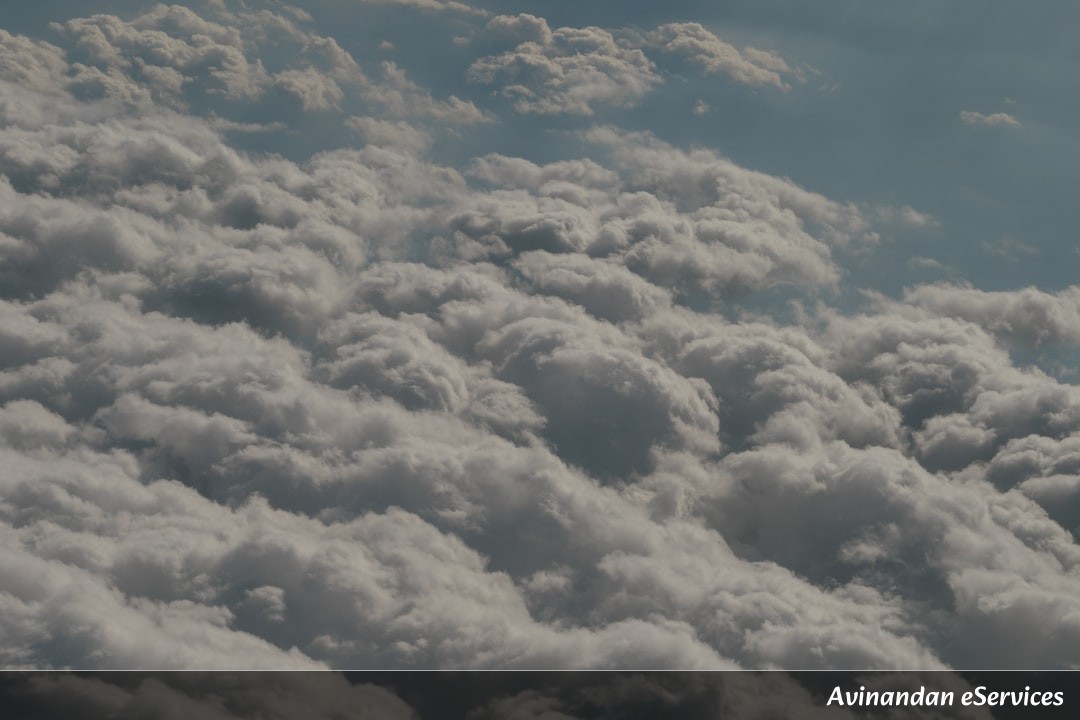
Aarav: Ananya, look at that photo! It looks like a giant, rolling wave is crashing through the sky instead of the ocean. Are those even clouds?
Ananya: Those are definitely clouds, Aarav! They are called Morning Glory clouds. They look exactly like a tsunami made of mist, and they can stretch for hundreds of kilometers across the sky.
Aarav: A wave in the sky? That sounds like science fiction! How on earth can a cloud behave like a water wave? Does the air have a current I can't see?
Ananya: Great observation! You are actually spot on. These clouds are essentially a giant, rolling motion in the atmosphere called a 'solitary wave' or soliton. It happens when different layers of air—some warm and some cool—slide past each other, creating a disturbance that travels as a ripple.
Aarav: So, it’s like a ripple in a pond, but the pond is the whole sky? Why don't they just break apart and vanish like normal clouds?
Ananya: That’s the most fascinating part. Because of the way the air layers are stacked, the wave keeps its shape as it travels. It pushes air up at the front, which cools down to form the cloud, and then the air sinks at the back, clearing the sky. It's like a perpetual motion machine in the clouds.
Aarav: I’ve never seen one here! Do they happen everywhere, or is there a secret to finding them?
Ananya: They are quite rare! The most famous place to see them is in Australia, over the Gulf of Carpentaria. You need a very specific setup: the land has to cool down quickly at night, and there has to be moisture from the sea. It’s like the sky is setting the perfect stage for a performance.
Aarav: Imagine being a pilot and flying next to a cloud that looks like a giant, rolling ocean wave. That would be both scary and amazing!
So, What Did We Learn Today?
Ananya: To wrap up our discovery, here is why these sky-tsunamis are so special:
- Morning Glory clouds are rare, horizontal, tube-shaped clouds that look like rolling waves.
- They are formed by 'solitary waves' where stable, cool air acts as a channel for the disturbance to travel.
- They don't break apart because the wave structure keeps the energy focused as it rolls across the sky.
- They require very specific conditions, like coastal moisture and cool nighttime air, making them a beautiful, rare sight.
Aarav: I’m definitely going to keep looking up! It makes me wonder what other 'secret' waves are moving through the air right above our heads.