Introduction to the Topic
The journey of human civilization changed forever with the invention of the printing press. In Class X History, Chapter 5: Print Culture and the Modern World, we explore how the transition from hand-written manuscripts to mechanical printing triggered a massive shift in society. This revolution didn't just make books cheaper; it democratized knowledge, fueled social reform, and shaped the modern world we live in today.
Key Concepts Explained
The Origins of Print
Printing first began in East Asia, specifically China, Japan, and Korea. The earliest kind of print technology was 'woodblock printing.' Books were created by rubbing paper against the inked surface of woodblocks. As the Silk Road expanded, this technology traveled to Europe, eventually leading to the invention of the Gutenberg Press in the 1430s.
Johannes Gutenberg and the Printing Press
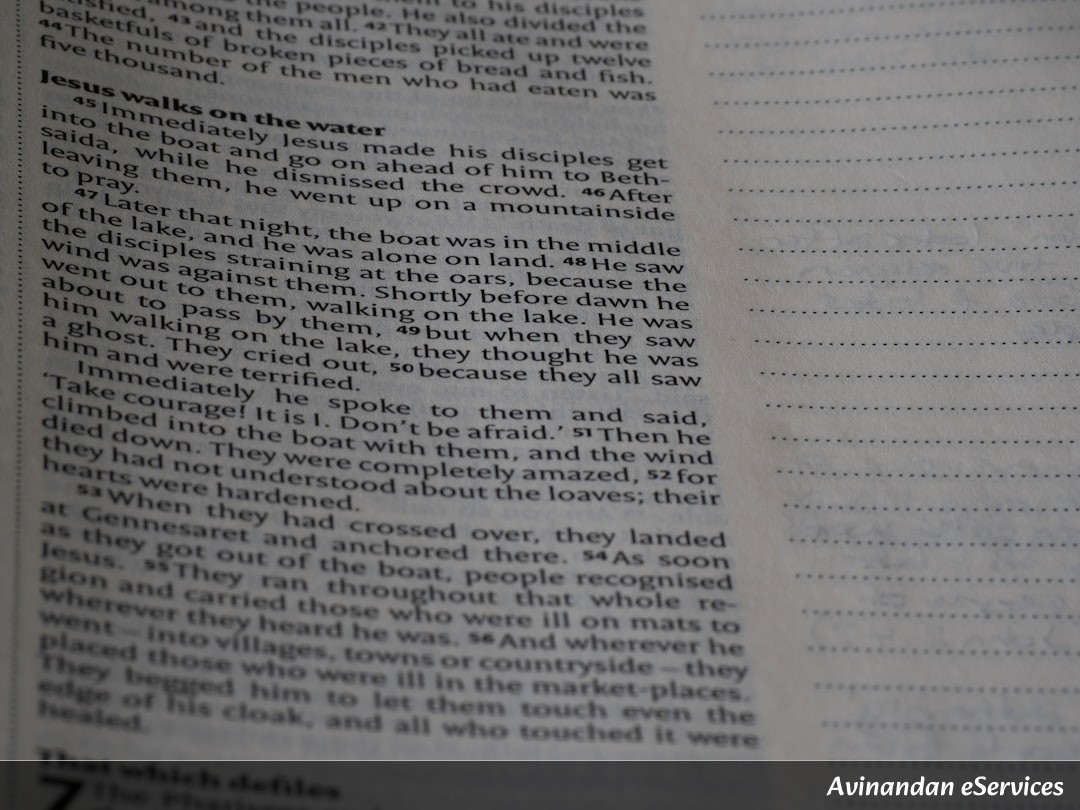
Johannes Gutenberg, a goldsmith, developed the first mechanical printing press. By using a metal movable type, he was able to produce books rapidly. The first book he printed was the Bible. This invention was a watershed moment because it:
- Reduced the cost of books significantly.
- Allowed information to reach a much larger audience.
- Sparked debates on religion, politics, and science by making texts accessible to the common person.
The Print Revolution and Its Impact
As the printing press spread, it created a 'reading public.' People who were previously excluded from formal education began to read, discuss, and challenge existing power structures. In India, print culture played a crucial role during the colonial era, helping reformists publish newspapers and journals to advocate for social change and awaken nationalist sentiments.
Summary & Key Takeaways
To master this chapter, remember these essential points:
- Woodblock Printing: The earliest form of printing originating from China.
- Gutenberg's Contribution: The invention of the metal movable type press in Europe.
- Social Impact: Print fostered the spread of new ideas, enabling the Reformation and the Enlightenment.
- Colonial India: Print acted as a vehicle for anti-colonial thought and social reform movements.
Ultimately, the printing press was the first step toward the digital information age. It taught humanity that knowledge is a force that, once shared, can never be silenced.