Samir: Hey Mira! I was reading about plants in the library, and I found something totally wild. Everyone knows about the Venus flytrap eating flies, but I read that some pitcher plants are big enough to catch actual rats! Is that really true, or is it just a tall tale?
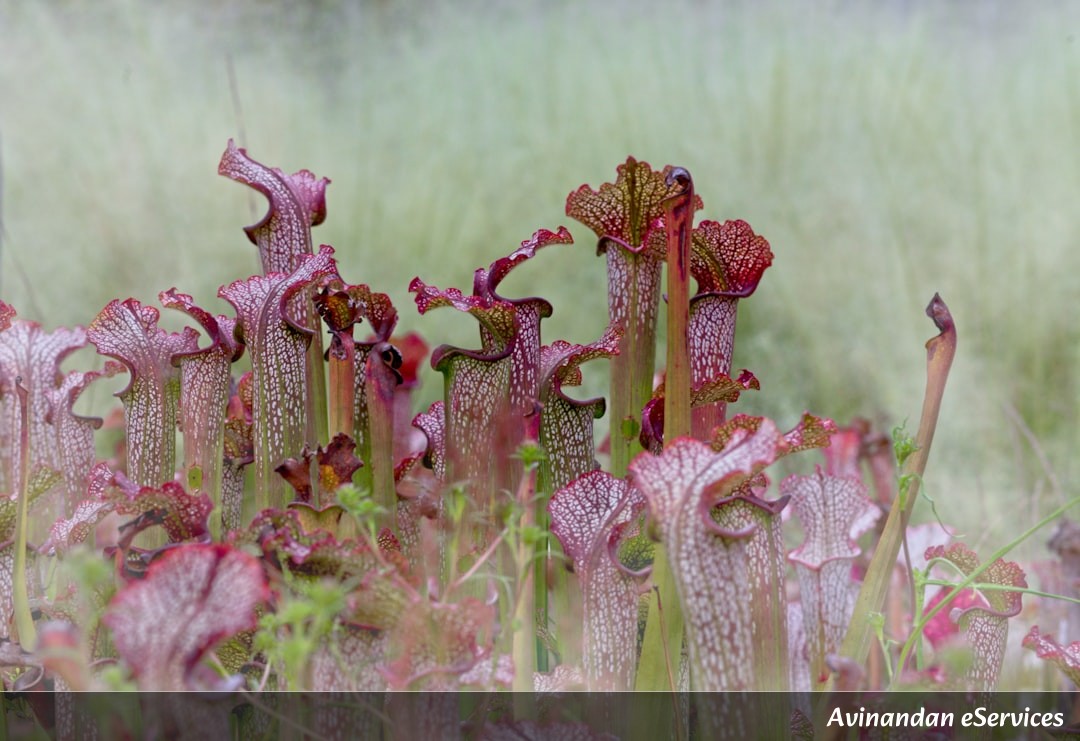
Mira: Oh, that is definitely true, Samir! It sounds like something out of a spooky movie, doesn't it? But in the dense jungles of Southeast Asia, there are giant pitcher plants called Nepenthes rajah that are famous for exactly that.
Samir: A plant that eats mammals? That sounds like a sci-fi monster! How on earth does a plant digest a rat? It doesn't have teeth or a stomach!
Mira: You're right, it doesn't have a stomach like we do. Instead, the plant has evolved a very clever trap. The leaf grows into a deep, slippery jug shape filled with a pool of digestive enzymes. When a small animal, like a rat or a frog, climbs on the edge to lick some sweet nectar the plant produces, it loses its footing, slides down into the liquid, and gets trapped. The plant then slowly breaks the animal down into nutrients.
Samir: Wow, that is intense. But why go through all that trouble? Why not just get nutrients from the soil like a normal sunflower or a mango tree?
Mira: That’s the genius part. These plants grow in very harsh, nutrient-poor soil where they can't get enough nitrogen or phosphorus. Evolution basically forced them to get creative! By 'hunting,' they get the essential vitamins they need to survive in environments that would kill other plants. It’s like they’ve built their own little grocery store inside their leaves.
Samir: So, it’s not being mean, it’s just trying to survive! Nature is way more clever than I thought. Are there any other weird things they do?
Mira: Actually, yes! Some of these plants have developed a 'cooperative' relationship with treeshrews. The pitcher acts like a tiny toilet, catching the shrew's droppings while the animal eats the nectar. The plant gets the fertilizer, and the shrew gets a tasty meal. It’s a win-win!
So, What Did We Learn Today?
- Giant pitcher plants, like Nepenthes rajah, have evolved to catch small vertebrates for nutrients.
- These plants survive in poor soil by using digestive enzymes to break down prey.
- Some plants use 'mutualism' by trading nectar for animal droppings, which act as high-quality fertilizer.
- Nature finds incredible ways to adapt, even if that means becoming a hunter!
Samir: I think I’ll look at my garden plants a little differently now! I'm just glad my ferns don't have a taste for hamsters.