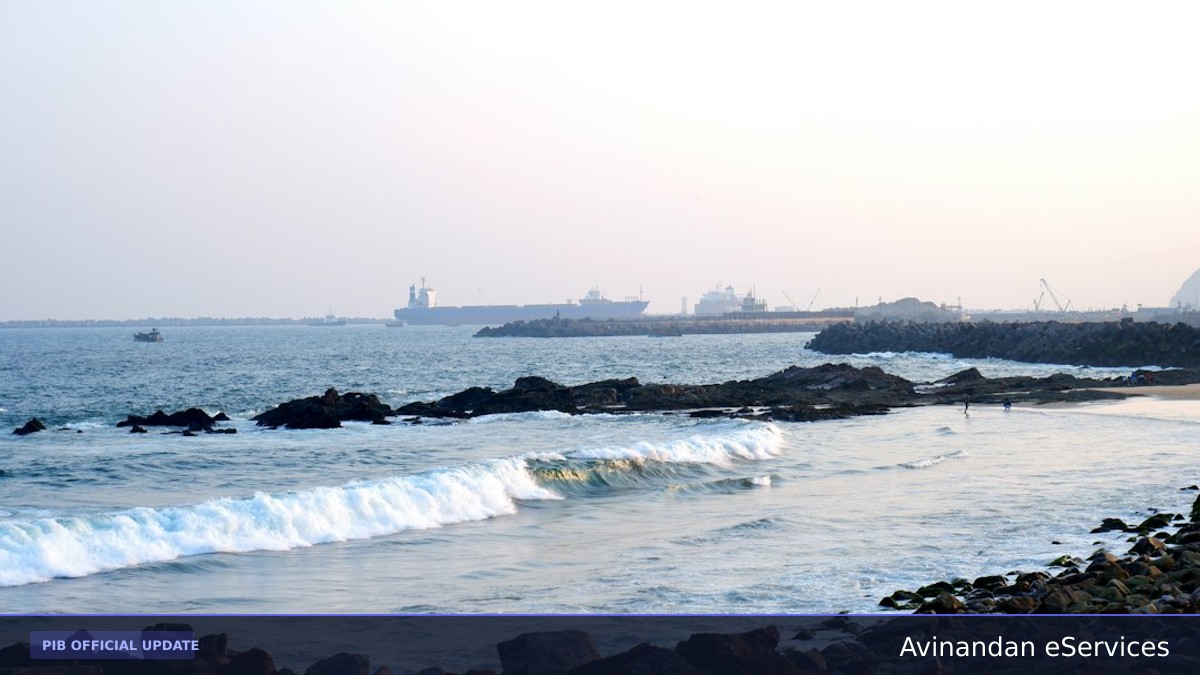
The 13th edition of the bilateral maritime exercise between India and Sri Lanka, officially designated as SLINEX-26, is currently underway at Visakhapatnam. Scheduled from 17 to 21 September 2026, this high-profile naval engagement highlights the deep-rooted strategic, cultural, and diplomatic ties shared by the two neighboring nations in the Indian Ocean Region. Conducted under the aegis of the Eastern Naval Command, the exercise serves as a vital platform for both navies to refine their operational synergy, share best practices, and enhance mutual understanding to tackle emerging maritime security challenges collectively.
As geopolitical dynamics in the Indo-Pacific continue to evolve, collaborative maritime exercises like SLINEX-26 play a monumental role in ensuring peace, stability, and unfettered freedom of navigation. By bringing together sophisticated naval assets and highly skilled personnel from both the Indian Navy and the Sri Lanka Navy, the exercise underscores a shared commitment to maintaining a secure and inclusive maritime domain.
Key Highlights & Major Announcements
- Event: 13th edition of the India-Sri Lanka Bilateral Maritime Exercise (SLINEX-26).
- Dates: 17 to 21 September 2026.
- Location: Visakhapatnam, Andhra Pradesh, under the operational command of the Eastern Naval Command.
- Indian Navy Participation: INS Kavaratti (indigenous Anti-Submarine Warfare Corvette) and INS Jyoti (Fleet Tanker).
- Sri Lanka Navy Participation: SLNS Sindurala.
- Phases: Divided structurally into an intensive Harbour Phase followed by a tactical Sea Phase.
- Strategic Alignment: Rooted deeply in India's overarching regional vision of MAHASAGAR (Mutual and Holistic Advancement for Security and Growth Across Regions).
Evolution and Strategic Significance of SLINEX
Conceptualized initially in 2005, SLINEX has witnessed remarkable growth over the past two decades. What started as a modest bilateral engagement has progressively evolved into a robust, comprehensive forum for fostering maritime cooperation and seamless operational interoperability between the Indian Navy and the Sri Lanka Navy.
The geographical proximity of India and Sri Lanka places them at the critical crossroads of major international shipping lanes in the Indian Ocean. With transnational maritime threats ranging from illegal, unreported, and unregulated (IUU) fishing to piracy, human trafficking, and environmental disasters, the ability of both navies to act in close coordination is paramount. SLINEX-26 provides a controlled yet realistic environment to test communication protocols, joint maneuverability, and coordinated response mechanisms.
Structure of SLINEX-26: Harbour and Sea Phases
The exercise is methodically structured into two distinct operational segments designed to maximize participation, cultural exchange, and tactical proficiency:
The Harbour Phase at Visakhapatnam
The exercise commenced with an enthusiastic Harbour Phase, inaugurated by an official opening ceremony and a welcoming reception hosted onboard the indigenous Indian warship, INS Kavaratti, for the visiting officers and sailors of SLNS Sindurala. This phase places heavy emphasis on professional camaraderie and knowledge sharing. Activities scheduled during the Harbour Phase include:
- Professional interactions and subject matter expert exchanges on contemporary maritime challenges.
- Cross-deck visits allowing crew members to familiarize themselves with each other's shipboard systems and operational philosophies.
- Joint sports events, wellness sessions including Yoga, and cultural activities designed to foster deep personal bonds and mutual trust between the naval personnel.
The Tactical Sea Phase
Following the conclusion of the foundational Harbour Phase, the participating fleets transition to the Sea Phase. This stage shifts focus directly onto high-tempo tactical drills and operational maneuvers. Navies will engage in complex coordinated activities at sea, testing anti-submarine warfare tactics, replenishment at sea (RAS) approaches between INS Jyoti and combatants, communication exercises, and tactical steam-pasts. The primary objective of the Sea Phase is to forge an impenetrable layer of operational synergy that can be swiftly activated during real-world humanitarian assistance or disaster relief (HADR) missions.
"Aligned with India’s vision of MAHASAGAR, SLINEX-26 reinforces India’s commitment to a secure, stable and inclusive maritime environment and further consolidates the enduring maritime partnership between India and Sri Lanka."
Geopolitical Context and India's MAHASAGAR Vision
India's foreign policy framework in the maritime domain increasingly emphasizes cooperative security architectures. The concept of MAHASAGAR serves as the bedrock for India's strategic outreach to littoral states in the Indian Ocean Region. By prioritizing capacity building, joint training, information sharing, and collaborative infrastructure development, India aims to position itself as a preferred security partner and a net provider of security in South Asia.
Sri Lanka remains a vital pillar in India's Neighborhood First policy and Indo-Pacific strategy. Bilateral engagements like SLINEX-26 not only strengthen military interoperability but also send a powerful diplomatic message regarding regional solidarity and mutual respect for sovereignty. Joint exercises help demystify operational procedures, ensuring that if crises strike—whether natural calamities or security threats—both nations can respond rapidly and effectively as unified partners.
Frequently Asked Questions (FAQs)
What is SLINEX-26?
SLINEX-26 is the 13th edition of the bilateral maritime exercise conducted between the Indian Navy and the Sri Lanka Navy, held at Visakhapatnam in September 2026 to enhance naval cooperation and operational interoperability.
Which naval ships are participating in SLINEX-26?
The Indian Navy is represented by INS Kavaratti (an indigenous Anti-Submarine Warfare Corvette) and INS Jyoti (a Fleet Tanker), while the Sri Lanka Navy is represented by the offshore patrol vessel SLNS Sindurala.
What are the primary phases of the SLINEX exercise?
The exercise is conducted in two primary phases: the Harbour Phase (focusing on professional interactions, cross-deck visits, and cultural exchanges) and the Sea Phase (focusing on tactical maneuvers and operational synergy at sea).
How does SLINEX-26 align with Indian foreign policy?
SLINEX-26 is directly aligned with India's vision of MAHASAGAR, reinforcing the nation's steadfast commitment to fostering a secure, stable, and inclusive maritime environment across the Indian Ocean Region.
Official Source & Verification
This article is grounded on the official press release issued by the Press Information Bureau (PIB), Government of India (Release ID: 2312662, Ministry of Defence). Access the official document: https://pib.gov.in/PressReleasePage.aspx?PRID=2312662&lang=1.