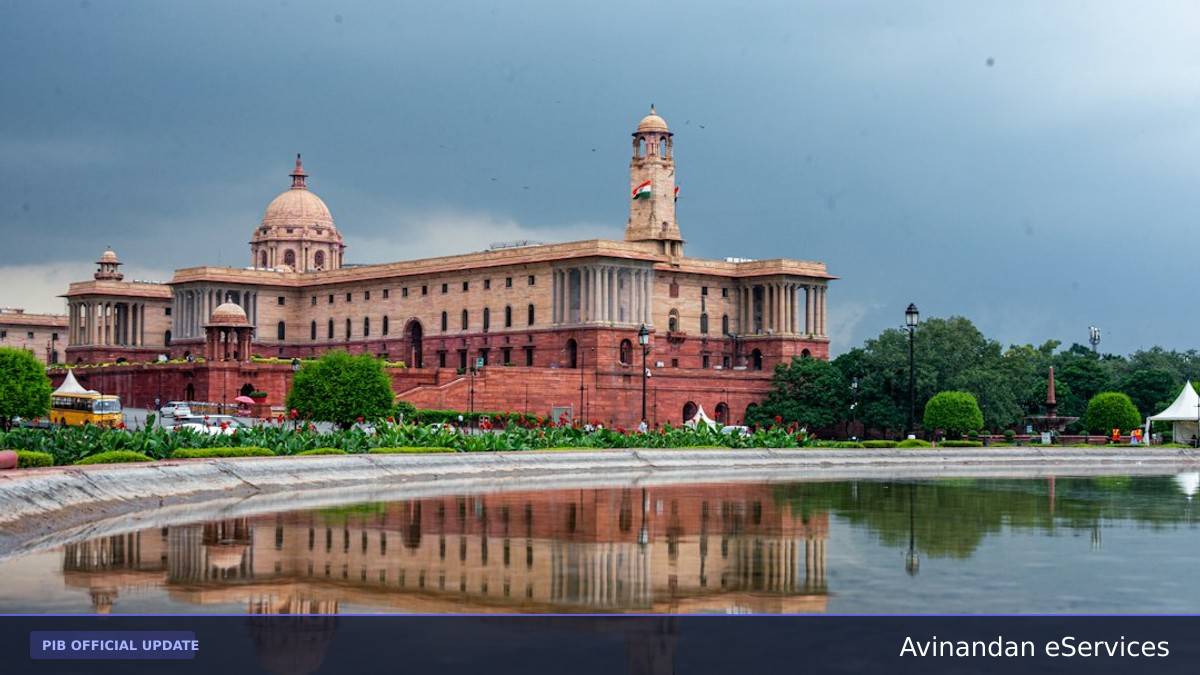
The Department for Promotion of Industry and Internal Trade (DPIIT), operating under the aegis of the Ministry of Commerce and Industry, has officially announced the launch of Special Campaign 6.0. Slated to run from 2nd to 31st October 2026, this nationwide governance initiative aims to institutionalise absolute Swachhata (cleanliness), drastically reduce administrative pendency, streamline record management, promote responsible e-waste disposal, and ensure the optimum utilisation of government office spaces. By covering all 19 attached, subordinate, and autonomous organisations under its administrative control, DPIIT is reinforcing its unwavering commitment to transparent, efficient, and citizen-centric public administration.
Key Highlights & Major Announcements
- Campaign Timeline: The initiative is structured in two distinct phases—a Preparatory Phase from 15th to 30th September 2026, followed by the Main Execution Phase from 2nd to 31st October 2026.
- Scope and Reach: Encompasses all 19 attached, subordinate, and autonomous organisations, reaching field and branch offices nationwide.
- Core Focus Areas: Saturation of cleanliness, pendency reduction, record weeding, e-waste segregation, and workplace aesthetic enhancement.
- Proven Track Record: Builds upon the phenomenal success of Special Campaign 5.0, which successfully reviewed 1,572 physical files, weeded out 1,119 redundant files, freed up 11,235 square feet of office space, and generated ₹17,69,569 in revenue through scrap disposal.
- Innovation in Sustainability: Highlights the pioneering 'Waste to Wealth' initiative by the Indian Rubber Material Research Institute (IRMRI), utilising discarded rubber scrap for sustainable road construction.
Structuring the Campaign: Phases and Execution Strategy
To ensure maximum operational efficiency and measurable outcomes, Special Campaign 6.0 has been meticulously planned in two sequential phases. The initial phase—the Preparatory Phase (15th to 30th September 2026)—serves as the foundational bedrock for the entire initiative. During this window, administrative teams across DPIIT and its constituent bodies focus heavily on identifying concrete targets, reviewing legacy records, cataloguing pending references, and formulating comprehensive action plans for cleanliness drives and disposal activities.
Following this groundwork, the Main Campaign Period (2nd to 31st October 2026) swings into full action. Across every office premise, field station, and branch location, systematic drives are executed to clear backlogs, purge obsolete physical and digital records in strict adherence to record-retention schedules, and reclaim valuable government space. This systematic approach not only elevates workplace hygiene but also instils a deeper sense of accountability and responsiveness among public officials.
Building on Success: Lessons from Special Campaign 5.0
Special Campaign 6.0 is not an isolated administrative exercise; rather, it represents the continuation of a highly successful institutional tradition within the Indian governance framework. During the preceding Special Campaign 5.0, DPIIT set remarkable benchmarks in operational housekeeping.
Administrative statistics from the previous campaign highlight the tangible transformation achieved:
- File Review: A total of 1,572 physical files were critically reviewed by designated task forces.
- Record Purging: Out of these, 1,119 obsolete files were systematically weeded out following established record-retention protocols, decluttering office archives.
- Space Optimisation: The disposal of scrap and obsolete records successfully unlocked an impressive 11,235 square feet of prime office space.
- Revenue Generation: The recycling and auctioning of unserviceable materials and scrap yielded a revenue of ₹17,69,569 for the exchequer.
In addition to physical cleanliness, Special Campaign 5.0 effectively tackled administrative bottlenecks, resolving pending public grievances and streamlining internal procedures to enhance the overall work experience for staff and citizens alike.
Strategic Thrust Areas for Special Campaign 6.0
Building firmly upon past accomplishments, the upcoming campaign introduces refined strategic priorities designed to align government infrastructure with modern environmental and administrative standards. The primary areas of concentration include:
1. Saturation of Swachhata and Aesthetic Enhancement
The campaign aims for complete saturation of cleanliness across all office premises, corridors, storage rooms, and surrounding areas. Efforts will be directed toward improving workspace aesthetics, lighting, and general functionality to foster a positive, healthy, and vibrant working environment.
2. Advanced E-Waste Management
Recognising the rapid digitisation of government offices and the corresponding accumulation of electronic goods, Special Campaign 6.0 places unprecedented emphasis on e-waste management. Strict protocols will be enforced for the proper identification, segregation, temporary collection, and authorised disposal of electronic and electrical waste through certified recycling agencies, preventing environmental degradation.
3. Circular Economy and 'Waste to Wealth' Integration
A standout feature of the 2026 campaign is the active promotion of innovative, replicable solutions supporting the circular economy. A prime example is the pioneering 'Waste to Wealth' initiative spearheaded by the Indian Rubber Material Research Institute (IRMRI), an autonomous body under DPIIT. IRMRI successfully repurposed discarded rubber scrap to construct durable road sections and access paths using Waste Rubber Tiles and Crumb Rubber Cement Concrete (CRCC)—incorporating 10% to 15% waste rubber particles into the cement-concrete mix. Scientifically monitored for critical parameters such as structural strength, elasticity, and long-term durability, such sustainable innovations will serve as blueprints for wider adoption across other government departments.
"Through Special Campaign 6.0, DPIIT and its organisations will make concerted efforts to further strengthen the culture of Swachhata, efficiency, accountability and good governance across their offices, ensuring sustainable and citizen-centric workplaces."
Significance & National Impact
The institutionalisation of special cleanliness and pendency reduction campaigns across central government ministries marks a profound paradigm shift in Indian public administration. By proactively addressing administrative delays, clearing legacy paper clutter, and optimizing real estate, departments like DPIIT are setting gold standards for corporate and bureaucratic efficiency.
Furthermore, the integration of robust e-waste disposal mechanisms and circular economy practices demonstrates that administrative housekeeping can directly align with India's broader national commitments toward environmental sustainability and green governance. Reclaiming thousands of square feet of office space reduces the necessity for acquiring new commercial real estate, thereby optimizing public expenditure. Ultimately, these grassroots-level operational reforms culminate in a more responsive, transparent, and agile bureaucracy, directly benefiting citizens and stakeholders interacting with the Department for Promotion of Industry and Internal Trade.
Frequently Asked Questions (FAQs)
What are the official dates for Special Campaign 6.0 announced by DPIIT?
Special Campaign 6.0 will be conducted from 2nd to 31st October 2026, preceded by a dedicated Preparatory Phase from 15th to 30th September 2026.
How many organisations fall under the purview of this special campaign?
The campaign covers all 19 attached, subordinate, and autonomous organisations operating under the administrative control of DPIIT, including field and branch offices spread across the country.
What is the 'Waste to Wealth' initiative highlighted in the campaign?
The 'Waste to Wealth' initiative showcases innovative sustainable practices, such as the project by the Indian Rubber Material Research Institute (IRMRI) where discarded rubber scrap was effectively utilised in constructing durable road sections using crumb rubber cement concrete.
What were the major achievements of the preceding Special Campaign 5.0?
During Special Campaign 5.0, DPIIT reviewed 1,572 physical files (weeding out 1,119 files), released 11,235 square feet of office space, generated ₹17,69,569 in revenue from scrap disposal, and successfully resolved pending public grievances.
Official Source & Verification
This article is grounded on the official press release issued by the Press Information Bureau (PIB), Government of India (Release ID: 2314122, Ministry of Commerce & Industry). Access the official document: https://pib.gov.in/PressReleasePage.aspx?PRID=2314122&lang=1.