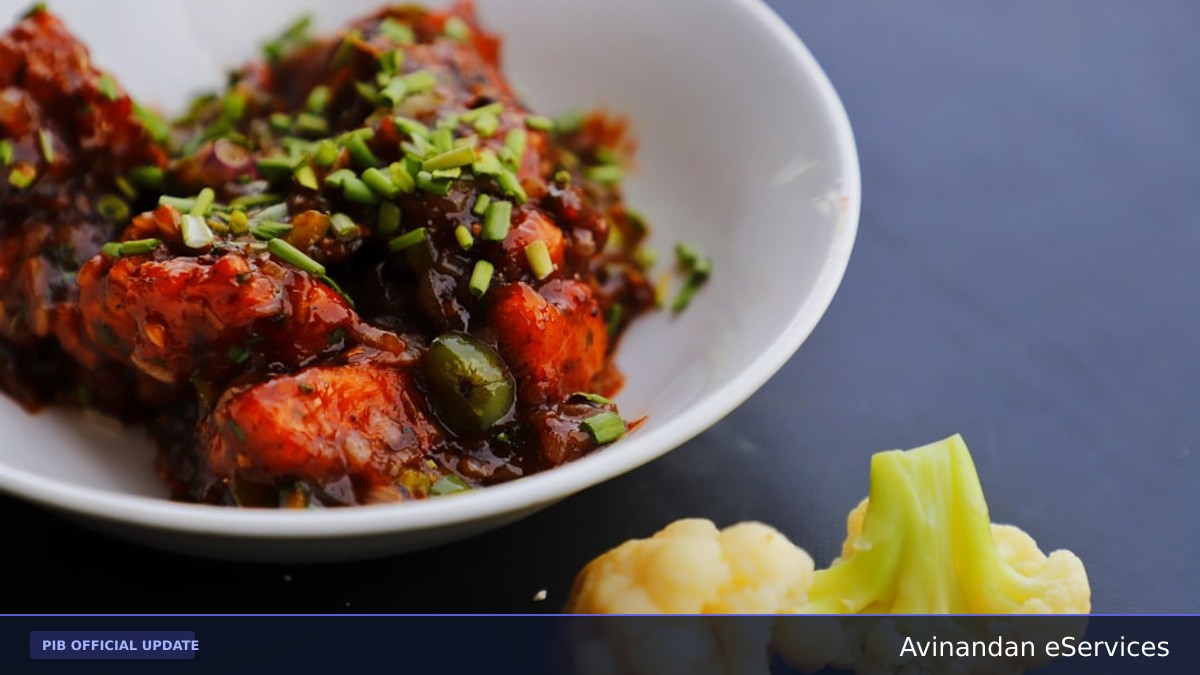
In a major move aimed at safeguarding consumer interests and upholding food safety standards, the Food Safety and Standards Authority of India (FSSAI) has proposed a crucial draft amendment. Announced by the Ministry of Health and Family Welfare on September 24, 2026, the new regulations are designed to strictly restrict the manufacture and sale of non-dairy analogue products under the nomenclature of 'Paneer'. This regulatory intervention seeks to eliminate market confusion, ensuring that shoppers can effortlessly distinguish between authentic dairy-derived paneer and plant-based or alternative substitutes.
The proposed amendment addresses a growing commercial trend where vegetable fats, starches, and other non-dairy constituents are processed and marketed to mimic traditional Indian cottage cheese. By tightening the compliance framework, the apex food regulator intends to preserve the nutritional integrity and cultural identity of paneer, which remains a staple protein source in millions of Indian households.
Key Highlights & Major Announcements
- Regulatory Authority: Food Safety and Standards Authority of India (FSSAI), under the Ministry of Health and Family Welfare.
- Target Regulation: Proposed amendment to the Food Safety and Standards (Prohibition and Restrictions on Sales) Regulations, 2011.
- Core Objective: Restrict products made from non-milk constituents from being manufactured, labeled, or marketed as 'Paneer'.
- Impact on Existing Licenses: Products currently registered under the 'Analogue in Dairy Context' category must immediately discontinue using the term 'Paneer' in their packaging, nomenclature, and promotional materials.
- Public Consultation Window: FSSAI has invited objections and suggestions from stakeholders and the general public for a period of 60 days from the date of the Official Gazette notification.
Contextual Analysis: Protecting Dairy Authenticity and Consumer Rights
The dairy sector in India is deeply intertwined with rural livelihoods, agriculture, and daily nutrition. With the rapid evolution of the food processing industry, market shelves have witnessed an influx of dairy analogues—products designed to resemble traditional dairy items like cheese, butter, and paneer using vegetable oils, soy \textracts, and synthetic additives. While these alternatives cater to specific dietary preferences or cost points, food safety experts argue that labeling them identically to pure dairy items misleads everyday consumers.
Under the newly proposed Food Safety and Standards (Prohibition and Restrictions on Sales) Amendment Regulations, 2026, a specific new clause will be inserted under Regulation 2.1.1. This clause explicitly targets "paneer made of constituents not derived from milk." By drawing a sharp legal line between dairy-based paneer and its analogues, the FSSAI is establishing a transparent marketplace where product labeling mirrors exact chemical and biological composition.
Impact on Food Businesses and Manufacturers
Food business operators (FBOs) and manufacturers currently holding licenses or registrations under the 'Analogue in Dairy Context' category face immediate compliance adjustments. Once the draft regulations transition into finalized rules following the 60-day review period, companies will be legally barred from utilizing the word 'Paneer' on product displays, brand names, packet labels, or digital marketing campaigns. This mandates a comprehensive rebranding exercise for makers of plant-based cheese and dairy analogues, ensuring absolute clarity for the end consumer.
"The proposed amendment is aimed at ensuring that the nomenclature and presentation of food products accurately reflect their nature and composition, thereby enabling consumers to make informed choices." — FSSAI / Ministry of Health and Family Welfare
Significance & National Impact
The crackdown on deceptive labeling is expected to have far-reaching economic and social implications. For dairy farmers and organized cooperative sectors, protecting the brand value of traditional indigenous products like paneer prevents unfair competition from cheaper synthetic alternatives. Consumers, on the other hand, gain heightened protection against paying dairy-grade prices for non-dairy formulations.
Furthermore, this regulatory step reinforces India's commitment to robust food governance. By inviting public and stakeholder feedback through a transparent 60-day window, FSSAI ensures that industry insights and consumer welfare perspectives are balanced before the draft notification is formalized into law under the overarching framework of the Food Safety and Standards Act, 2006.
Frequently Asked Questions (FAQs)
1. What is the main objective of the FSSAI draft amendment regarding Paneer?
The primary objective is to prevent consumers from being misled by ensuring that only genuine milk-derived products are manufactured, labeled, and sold under the name 'Paneer'.
2. How does this affect manufacturers of plant-based or dairy analogue products?
Manufacturers currently registered under the 'Analogue in Dairy Context' category will no longer be permitted to use the term 'Paneer' in their product nomenclature, branding, or packaging labels.
3. How can the public or stakeholders submit feedback on these draft regulations?
Stakeholders and citizens can submit their objections or suggestions within 60 days of the notification either by post to the Chief Executive Officer, FSSAI, FDA Bhawan, Kotla Road, New Delhi – 110002, or via the official email address specified in the gazette notification.
4. Where can I access the official Gazette notification for this amendment?
The official document can be accessed via the e-Gazette portal at https://egazette.gov.in/WriteReadData/2026/276430.pdf.
Official Source & Verification
This article is grounded on the official press release issued by the Press Information Bureau (PIB), Government of India (Release ID: 2314542, Ministry of Health and Family Welfare). Access the official document: https://pib.gov.in/PressReleasePage.aspx?PRID=2314542&lang=1.