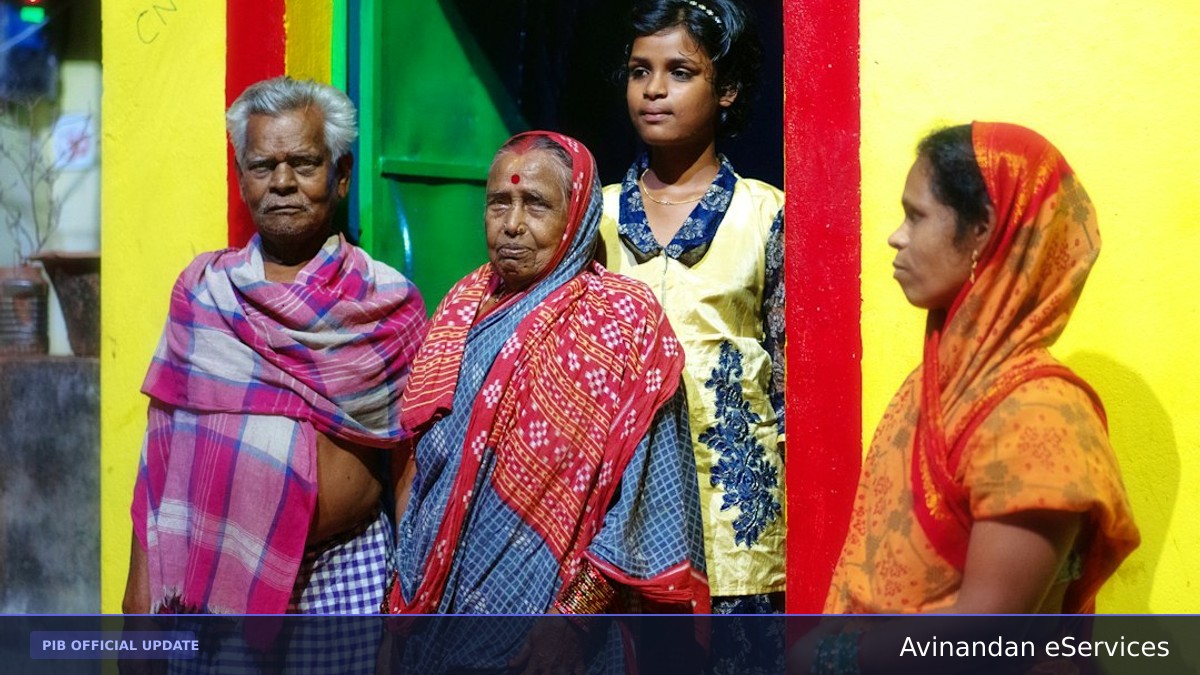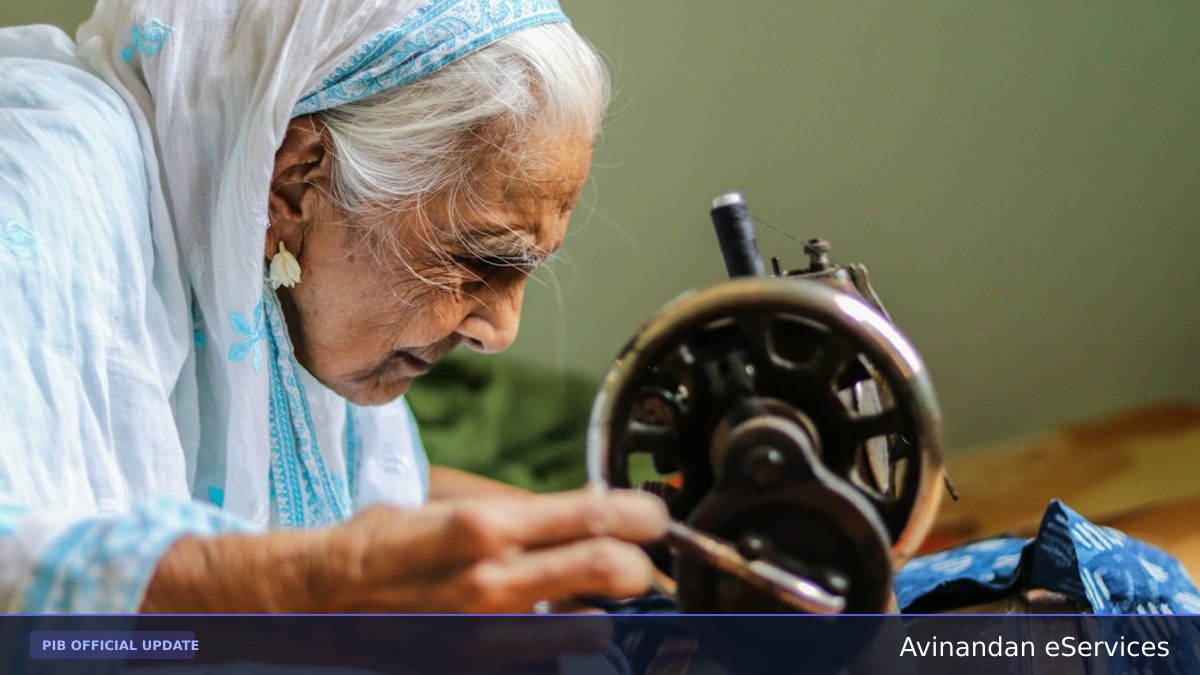
The National Institute of Social Defence (NISD), functioning under the aegis of the Union Ministry of Social Justice & Empowerment, successfully conducted an intensive Eleven-Day Training of Trainers (ToT) Programme for Master Trainers in the "Geriatric Care Provider" job role. Held at the NISD premises in Dwarka, New Delhi, this strategic initiative marks a significant step forward in addressing the growing systemic demand for professional elderly care services across the country. Organized specifically by the Senior Citizen Division (Sr.CD) of NISD from September 7 to 18, 2026, the comprehensive training paradigm was meticulously designed to establish a benchmark for quality, operational standardization, and professional competency within India's expanding geriatric care sector.
As India witnesses a demographic shift with an increasing share of senior citizens in its population matrix, the necessity for robust institutional frameworks and specialized caregiving personnel has never been more pressing. By curating a national pool of certified and highly competent Master Trainers, the Ministry aims to cascade standardized, competency-based instruction down to grassroots geriatric caregivers nationwide. This multi-layered capacity-building architecture ensures that elderly care across institutional and home-based settings meets rigorous professional parameters, thereby safeguarding the health, dignity, and overall well-being of India's elderly demographic.
Key Highlights & Major Announcements
- Organizing Authority: Conducted by the Senior Citizen Division (Sr.CD) of the National Institute of Social Defence (NISD), under the Ministry of Social Justice & Empowerment.
- Duration and Venue: An immersive 11-day programme held from September 7 to 18, 2026, at the NISD campus in Dwarka, New Delhi.
- Target Job Role: Focused exclusively on the "Geriatric Care Provider" job role to standardize training methodologies nationally.
- Multidisciplinary Participation: Brought together professionals from diverse medical and healthcare backgrounds, including GNM, B.Sc. Nursing, Post Basic B.Sc. Nursing, M.Sc. Nursing, and MBBS degree holders.
- Dual Skill Architecture: Structured meticulously around two primary pillars—Domain Skills (technical healthcare proficiencies) and Platform Skills (communication, instruction, and delivery methodologies).
- Institutional Milestone: NISD holds formal recognition as an Awarding Body by the National Council for Vocational Education and Training (NCVET), cementing its role in vocationalizing social defence education.
Contextual Analysis: Building a Multidisciplinary Geriatric Care Ecosystem
The contemporary landscape of senior citizen care demands an advanced, multidisciplinary approach that moves far beyond basic nursing assistance. Recognizing this complexity, the ToT programme curated by NISD deliberately drew participants from varied clinical backgrounds. Medical professionals such as MBBS doctors, alongside nursing experts holding GNM and specialized B.Sc. or M.Sc. Nursing qualifications, participated in the programme. This heterogeneous mix fostered a collaborative and dynamic learning environment where medical science intertwined seamlessly with compassionate caregiving practices.
During the inaugural session, Dr. H.C. Sridhara Channakeshava Ranga Reddy, Deputy Director of the Senior Citizen Division at NISD, detailed the core objectives and overarching philosophy of the training initiative. He placed special emphasis on the delicate balance between technical domain knowledge and effective platform delivery, urging future master trainers to master both facets to ensure high learner engagement and knowledge retention.
Comprehensive Curriculum Covering Core Domain and Platform Competencies
The 11-day syllabus was exceptionally rigorous, covering an expansive spectrum of subjects vital to modern elderly care. The curriculum was broadly categorized into two operational components:
- Platform Skills: Facilitated expertly by Ms. Jasmine Hussain, this segment honed participants' instructional delivery, communication techniques, facilitation methods, learner engagement strategies, and modern assessment practices.
- Domain Skills: A distinguished panel of specialists—including Dr. Gahan S. Jois, Dr. K.S. Baghotia, Mr. Prem Poddar, Mr. Arvind Narayanan, Mr. R. Narendar, Mr. Vishnu Shankar, Ms. Deeika Sharma, Ms. Sudha Jhijaria, and Ms. Tejasvini—led sessions on critical topics. These covered age-related physiological changes, active and healthy ageing, preventive healthcare, specialized geriatric nutrition, communication, companionship, dementia care, and mental health management among older adults.
Furthermore, the training embedded crucial modules on preventing and managing non-communicable diseases, ageing with dignity, first aid, emergency medical response, yoga, meditation, caregiver self-care, and general employability skills. Trainees were also rigorously oriented toward formal assessment requirements, standardized documentation protocols, and NCVET-aligned certification procedures to guarantee uniform training quality nationwide.
"Through initiatives such as the Training of Trainers Programme, the National Institute of Social Defence continues to promote capacity building, skill development, and standardization in the elderly care sector, supporting the development of a robust and professional care ecosystem in India."
Significance & National Impact
The successful execution of this Training of Trainers programme arrives at a critical juncture in India's socio-economic development. With life expectancy steadily rising, the sheer volume of the elderly population requires proactive policy interventions. Informal or unorganized caregiving, while historically prevalent, often lacks the clinical precision and psychological sensitivity required to manage complex age-related morbidities such as dementia, mobility impairments, and chronic non-communicable diseases.
By establishing a standardized training regimen backed by NCVET recognition, NISD is effectively formalizing geriatric care as a respected, highly skilled vocational career path. Certified master trainers graduating from this programme will act as catalysts, cascading standardized education to thousands of grassroots caregivers across urban and rural landscapes. This systematic upgrading of workforce capabilities not only ensures dignified, compassionate, and high-quality care for senior citizens but also generates formal employment opportunities within the healthcare and social services sector, aligning with national skilling missions.
Frequently Asked Questions (FAQs)
What was the primary objective of the NISD Training of Trainers Programme?
The programme aimed to strengthen quality, standardization, and professional competency in geriatric care training by creating a national pool of certified Master Trainers capable of delivering competency-based training across India.
Who organized this 11-day training programme?
The programme was organized by the Senior Citizen Division (Sr.CD) of the National Institute of Social Defence (NISD), operating under the Union Ministry of Social Justice & Empowerment.
What qualifications did the participants hold?
The programme brought together professionals from diverse medical and healthcare backgrounds, including GNM, B.Sc. Nursing, Post Basic B.Sc. Nursing, M.Sc. Nursing, and MBBS degrees.
What is the institutional significance of NISD in vocational training?
NISD is officially recognized as an Awarding Body by the National Council for Vocational Education and Training (NCVET), marking a major milestone in strengthening vocational education standards within social defence, particularly elderly care.
Official Source & Verification
This article is grounded on the official press release issued by the Press Information Bureau (PIB), Government of India (Release ID: 2314858, Ministry of Social Justice & Empowerment). Access the official document: https://pib.gov.in/PressReleasePage.aspx?PRID=2314858&lang=1.