Rohan: Saanvi, I was reading a storybook where a magical ice-prince froze himself for the winter and woke up fine in spring. Is anything like that real in nature?
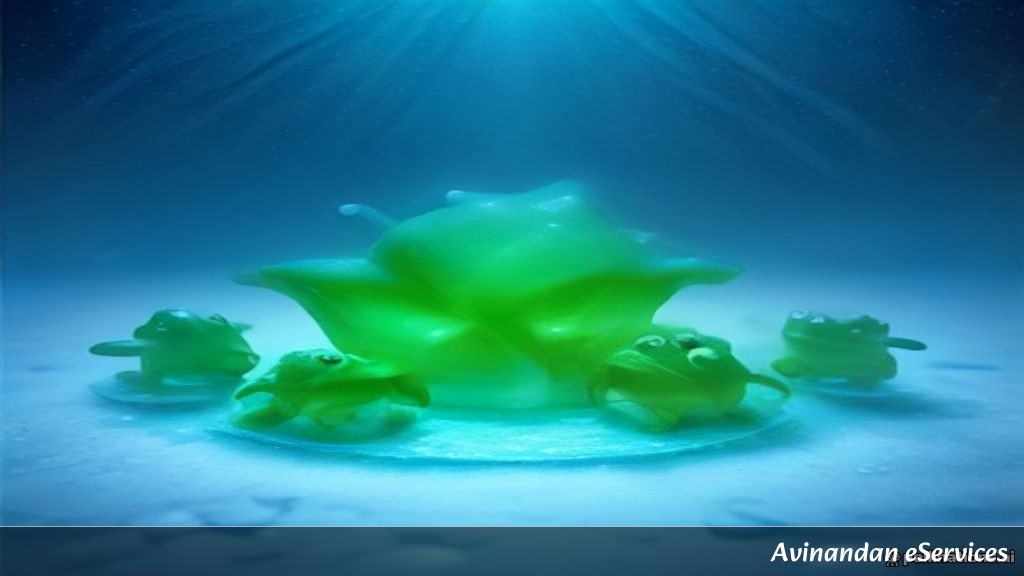
Saanvi: Believe it or not, Rohan, real magic exists in the animal kingdom! There is an incredible creature called the wood frog that freezes solid as a rock during winter and thaws right back to life when it gets warm.
Rohan: Wait, solid as a rock? Like an ice cube in the freezer? Doesn't the ice tear up all its tiny inside parts?
Saanvi: That is the most amazing part! Normally, when water inside living things freezes, it forms sharp ice crystals that poke and destroy cells. But wood frogs have a special biological trick. As soon as the temperature drops, their liver quickly turns glycogen into a massive amount of glucose, which acts like a natural antifreeze!
Rohan: Antifreeze? Like the fluid my dad puts in our family car's radiator so the engine does not freeze up on trips to the mountains?
Saanvi: Exactly like that, Rohan! The high concentration of sugar inside their body cells prevents water from rushing out and forming those dangerous, cell-shredding ice crystals. Up to sixty-five percent of the water in their body turns into solid ice, meaning their heart stops beating, they stop breathing, and they have no brain activity.
Rohan: No heartbeat and no breathing?! Saanvi, that sounds less like a living frog and more like a frozen green popsicle!
Saanvi: It really is! For all practical purposes, the frog is temporarily dead. But inside, its vital organs are safely protected by that sugary slush. Then, when spring arrives and the sun warms up the forest floor, the frog thaws out from the inside out in just a few hours.
Rohan: Wow, how long does it take for their little heart to start beating again after being a frozen ice cube?
Saanvi: Usually within ten to twenty hours of warming up, their heart kicks back into gear, they blink their eyes, and they hop away to find a snack as if nothing happened at all!
Rohan: That is unbelievable. Can humans ever learn to do that, maybe for space travel to distant planets?
Saanvi: Scientists are actually studying wood frogs and other cryopreserved animals very closely. Understanding how they protect their tissues without damage helps researchers improve organ preservation for human medical transplants and future deep-space missions!
So, What Did We Learn Today?
- Wood frogs can survive freezing solid during harsh winters by turning up to sixty-five percent of their body water into ice.
- They pump massive amounts of glucose into their cells, which acts as a natural biological antifreeze to prevent cellular damage.
- While frozen, their heartbeat and breathing completely stop, making them look dead until they thaw out and hop away in spring.
- Studying these incredible amphibians helps scientists improve techniques for preserving human organs for medical use.
Rohan: Nature really is the best inventor out there. Next time I eat a sweet snack, I will remember it might just be keeping a tiny wood frog safe in the snowy woods!