In a significant demonstration of India's enduring maritime partnerships and commitment to regional stability, the Indian Navy's frontline stealth frigate, INS Sahyadri, and the missile corvette, INS Kulish, successfully concluded their participation in the 23rd ADMM-Plus Experts' Working Group on Maritime Security Joint Cooperation Activity (EWG-MS JCA). Held at Subic Bay in the Philippines, the multilateral engagement reached its culmination with a grand Closing Ceremony on September 25, 2026. Released officially by the Ministry of Defence through the Press Information Bureau (PIB), this diplomatic and operational milestone underscores India's strategic footprint in the Indo-Pacific region.
Key Highlights & Major Announcements
- Vessels Participated: Indian Navy’s frontline stealth frigate INS Sahyadri and missile corvette INS Kulish.
- Event: 23rd ADMM-Plus Experts’ Working Group on Maritime Security Joint Cooperation Activity (EWG-MS JCA).
- Location & Dates: Subic Bay, Philippines; commenced on September 21, 2026, and concluded on September 25, 2026.
- Hosts & Co-Chairs: Hosted by the Philippine Navy and co-chaired by Japan.
- Phases Covered: Comprehensive Harbour Phase, Operational Synchronisation, Tabletop Exercise, and an intensive Sea Phase.
- Strategic Alignment: Reinforces India's Act East Policy and the overarching vision of MAHASAGAR.
Comprehensive Breakdown of the Exercise Phases
The multinational engagement was meticulously structured into distinct phases to maximize both diplomatic goodwill and tactical interoperability among participating nations. Commencing on September 21, 2026, with an Opening Ceremony at the Naval Operating Base Subic, the initial Harbour Phase served as a vital melting pot for naval professionals.
Harbour Phase and Professional Exchanges
The early days of the deployment were marked by high-level academic and professional dialogues. Subject Matter Expert Exchanges (SMEEs) covered critical modern maritime concerns, including regional peace and security, the ASEAN Navy Chiefs’ Meeting and Guidelines for Maritime Interaction (ANCM-GMI), senior enlisted leadership development, and marine environmental protection. Alongside rigorous professional deliberations, the harbour phase fostered cultural camaraderie through sporting events, an International Day, and a vibrant Cultural Show.
On September 22, 2026, the focus shifted to tactical preparedness. Indian naval personnel actively engaged in operational synchronisation sessions and a complex Tabletop Exercise (TTX). These exercises were immediately followed by a Pre-Sail Conference designed to align all participating navies on the protocols, communication plans, and safety guidelines for the impending Sea Phase. Demonstrating a holistic approach to naval diplomacy, the delegation also undertook a heartwarming community engagement programme at the Shepherds of the Hill Center in Zambales.
The Sea Phase and Tactical Interoperability
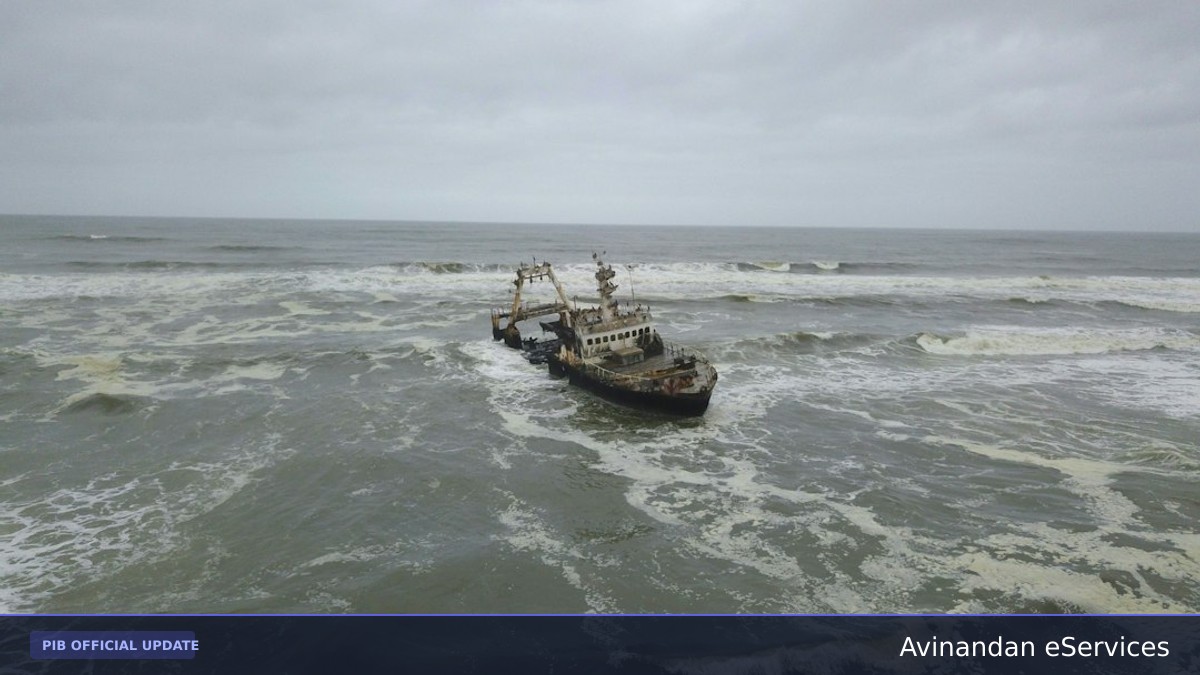
Moving from theory to practical application, the Sea Phase tested the real-world operational readiness and coordination of the participating fleets. Coordinated serials executed during this phase included complex Search and Rescue (SAR) operations, Hydrographic Surveys, rapid Casualty and Medical Evacuation (MEDEVAC) drills, Deck Landing Qualifications (DLQ) for helicopters, and specialized assistance protocols for vessels aground. These coordinated drills provided invaluable learning curves, ensuring that navies from diverse backgrounds can seamlessly operate together during times of maritime crisis or humanitarian need.
The successful conduct of the EWG-MS JCA highlighted the value of professional interaction and practical multilateral engagement in strengthening maritime cooperation. India’s participation reaffirmed its commitment to regional partnerships in consonance with the Act East Policy and the vision of MAHASAGAR.
Significance & National Impact
India's active and robust participation in the ADMM-Plus Maritime Security Joint Cooperation Activity is not merely an isolated naval deployment; it is a foundational pillar of India's broader strategic architecture in the Indo-Pacific. As maritime trade routes face evolving security challenges, building cooperative security architectures with regional partners becomes paramount.
This engagement directly operationalizes two key tenets of India's foreign and defense policy: the Act East Policy, which seeks to deepen economic, strategic, and cultural ties with the Asia-Pacific region, and the vision of MAHASAGAR (Mutual and Holistic Advancement for Security and Growth Across Regions). By deploying advanced indigenous platforms like INS Sahyadri and INS Kulish, India demonstrates its technological capability while assuring partner nations of its status as a preferred security partner and a net provider of maritime security in the region.
Frequently Asked Questions (FAQs)
What was the main objective of the 23rd ADMM-Plus EWG-MS JCA?
The primary objective was to enhance operational coordination, build maritime interoperability, and strengthen practical multilateral cooperation among participating nations through expert exchanges and joint naval exercises.
Which Indian naval ships participated in the exercise?
The Indian Navy was represented by its frontline stealth frigate, INS Sahyadri, and the missile corvette, INS Kulish.
Where was the exercise conducted and who hosted it?
The exercise took place at Subic Bay in the Philippines. It was hosted by the Philippine Navy and co-chaired by Japan.
How does this exercise align with India's foreign policy?
India's participation is in direct consonance with its Act East Policy and the strategic vision of MAHASAGAR, emphasizing mutual growth, security, and regional partnerships across maritime regions.
Official Source & Verification
This article is grounded on the official press release issued by the Press Information Bureau (PIB), Government of India (Release ID: 2315585, Ministry of Defence). Access the official document: https://pib.gov.in/PressReleasePage.aspx?PRID=2315585&lang=1.