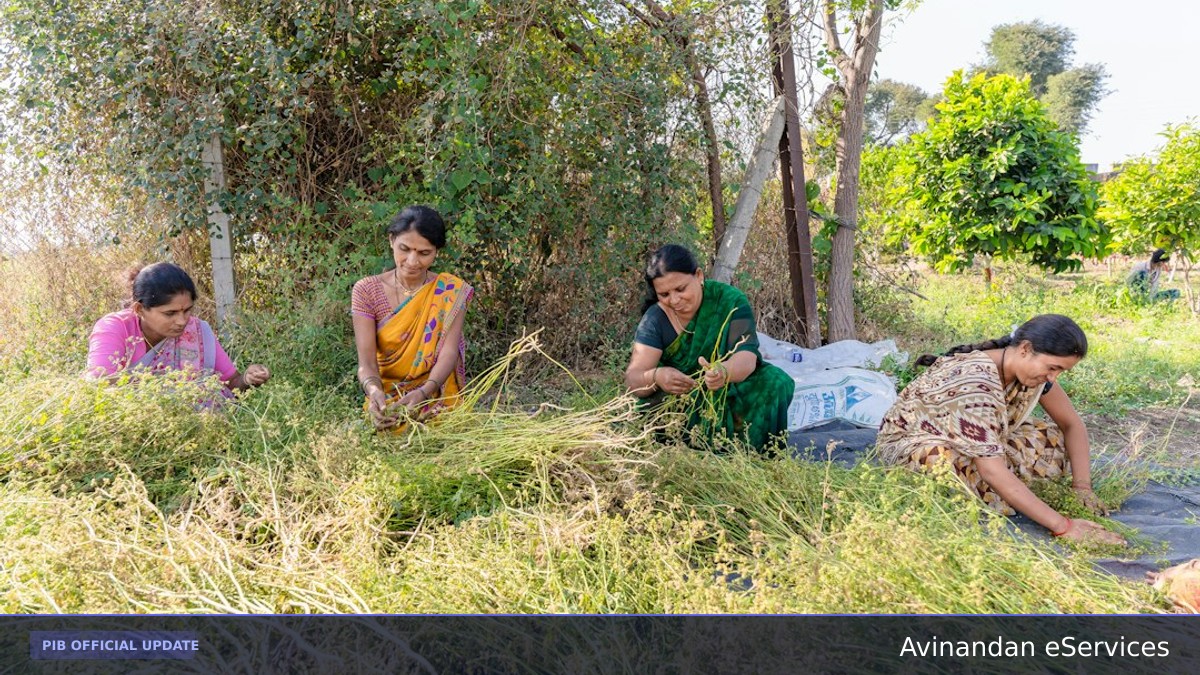
Demonstrating that civic responsibility and patriotism transcend age, senior citizens residing at the Jay Shriram Senior Citizen Home in Kargani, Maharashtra, have taken center stage in the ongoing Swachhata campaign. Operated under the aegis of the Atpadi Taluka Gramin Vikas Sanstha, these elderly residents rolled up their sleeves to lead a cleanliness drive in and around their residential facility, reinforcing the core philosophy of 'Jan Bhagidari' (people's participation).
Released officially by the Ministry of Social Justice & Empowerment through the Press Information Bureau (PIB) on September 27, 2026, this inspiring grassroots initiative aligns seamlessly with Prime Minister Narendra Modi's overarching vision of transforming cleanliness from a government-led drive into a sustained, nationwide, people-led movement. The event serves as a powerful reminder that building a cleaner, healthier, and more prosperous nation—Viksit Bharat—requires active collaboration from every single tier of society, regardless of age or physical circumstance.
Key Highlights & Major Announcements
- Campaign Context: The cleanliness drive forms an integral part of the nationwide Swachhata Hi Seva 2026 campaign, emphasizing continuous community engagement.
- Official Theme: The focus for 2026 is centered around the inspiring theme, “Swachhata Mein Sahbhag, Swachh Bharat, Viksit Bharat” (Participation in Cleanliness, Clean India, Developed India).
- Location & Management: The drive was conducted at the Jay Shriram Senior Citizen Home located in Kargani, Maharashtra, successfully managed by the Atpadi Taluka Gramin Vikas Sanstha.
- Ministry Backing: The initiative reflects the active policy push by the Department of Social Justice & Empowerment to promote dignity, social engagement, and active civic participation among senior citizens.
Contextual Analysis: The Power of Jan Bhagidari and Inclusive Sanitation
The Swachhata Hi Seva movement has consistently evolved since its inception, expanding its scope from basic sanitation infrastructure building to massive behavioral change and community mobilization. While youth and corporate bodies frequently spearhead such drives, the active participation of senior citizens marks a significant paradigm shift in how social responsibility is perceived and executed in rural and semi-urban India.
Redefining Senior Citizen Engagement in Governance
Traditionally, old age homes and senior care facilities have been viewed predominantly as spaces of rest and passive care. However, the Department of Social Justice & Empowerment has increasingly emphasized proactive social engagement and community involvement for the elderly. By taking part in the cleanliness drive, the senior residents of Kargani have showcased their invaluable role as moral anchors and catalysts for community awareness.
Transcending Age Barriers for National Development
The dedication displayed by the elderly residents sends a strong signal to younger generations. Through their committed participation, they prove that contributing to collective societal well-being is a lifelong duty. Their hands-on involvement in cleaning their immediate surroundings proves that age is merely a number when it comes to nation-building and fostering civic pride.
“The Swachhata campaign at Jay Shriram Senior Citizen Home, Kargani, Maharashtra stands as a meaningful example of how collective action can transcend age and situation, inspiring citizens to contribute towards the shared goal of a cleaner, healthier and more responsible society.”
Significance & National Impact
The nationwide ripple effect of such local initiatives cannot be overstated. When senior citizens embrace the Swachhata movement with such fervor, it neutralizes apathy and galvanizes local communities, institutions, and youth groups to step up their sanitation efforts.
Furthermore, this initiative highlights the inclusive nature of the Swachhata Hi Seva 2026 framework. Sanitation is not merely a municipal duty; it is a cultural ethos. By embedding the principles of Seva (service) and collective responsibility into daily life, programs championed by the Ministry of Social Justice & Empowerment ensure that marginalized or dependent demographics—such as the elderly—remain active stakeholders in India's journey toward becoming a cleaner, healthier, and more progressive nation.
Frequently Asked Questions (FAQs)
1. What is the theme of the Swachhata Hi Seva 2026 campaign?
The official theme for the Swachhata Hi Seva 2026 campaign is “Swachhata Mein Sahbhag, Swachh Bharat, Viksit Bharat”, which emphasizes active citizen and institutional participation in sanitation.
2. Where did the senior citizens' cleanliness drive take place?
The cleanliness drive was conducted by the residents of Jay Shriram Senior Citizen Home located in Kargani, Maharashtra, which is operated by the Atpadi Taluka Gramin Vikas Sanstha.
3. Which ministry oversees the welfare and engagement programs for senior citizens in India?
The Department of Social Justice & Empowerment, operating under the Government of India, spearheads policies and initiatives to encourage dignity, active participation, and social engagement among senior citizens.
4. How does senior citizen participation impact the broader Swachhata movement?
The active involvement of senior citizens serves as a powerful inspiration for the wider community, proving that civic responsibility spans all age groups and strengthening the spirit of Jan Bhagidari.
Official Source & Verification
This article is grounded on the official press release issued by the Press Information Bureau (PIB), Government of India (Release ID: 2315577, Ministry of Social Justice & Empowerment). Access the official document: https://pib.gov.in/PressReleasePage.aspx?PRID=2315577&lang=1.