Introduction to the Indian Freedom Struggle (1857-1947) for RRB Exams
The Indian Freedom Struggle from 1857 to 1947 is one of the most critical and high-weightage topics in the General Awareness section of Indian Railway Recruitment Board (RRB) examinations, including RRB NTPC, Group D, and Technician exams. This era witnessed the rise of nationalism, the transformation of anti-colonial resistance from localized uprisings to a mass movement, and the ultimate triumph of independence. Aspirants must master the chronological sequence of events, key personalities, acts, and movements to score well in this section.
Topic Weightage and Importance
In RRB exams, General Awareness constitutes a major chunk of the computer-based tests (CBT). History, specifically modern Indian history and the freedom struggle, frequently accounts for 3 to 6 questions per shift. Questions can range from direct factual queries about dates and leaders to analytical questions regarding the causes and impacts of major national movements like the Non-Cooperation Movement, Civil Disobedience Movement, and the Quit India Movement.
Key Concepts and Chronology of Events
To master the Indian Freedom Struggle, aspirants should divide the timeline into distinct phases: The Revolt of 1857, the Moderate and Extremist Phases of the Indian National Congress (1885-1919), and the Gandhian Era (1919-1947).
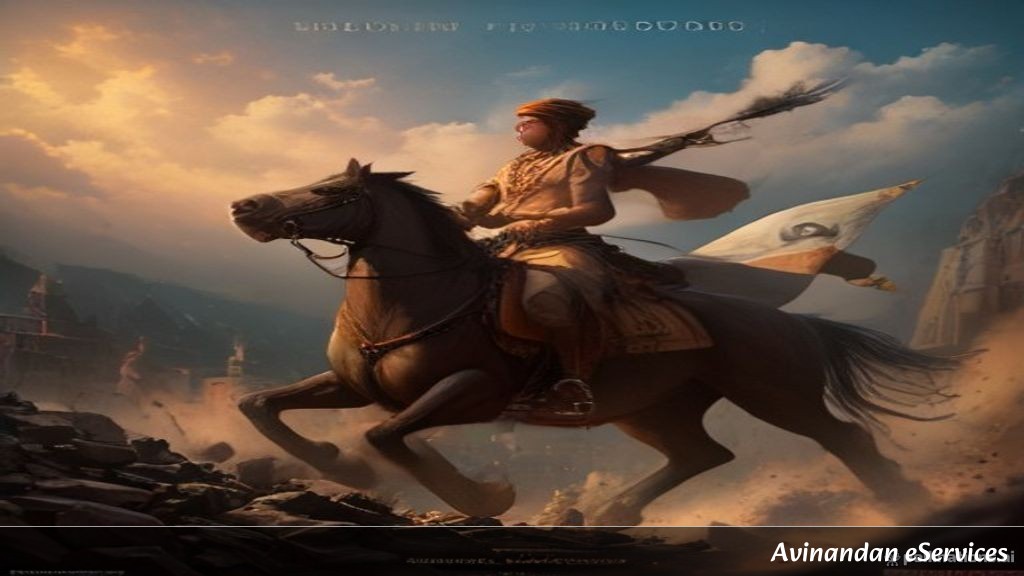
- The Revolt of 1857: Triggered by the introduction of the Enfield rifle and widespread socio-economic grievances. Key centers included Delhi (Bahadur Shah II), Kanpur (Nana Sahib), Jhansi (Rani Lakshmibai), and Lucknow (Begum Hazrat Mahal).
- Formation of INC (1885): Founded by Allan Octavian Hume. The first session was held in Bombay under the presidency of W.C. Bonnerjee.
- Partition of Bengal (1905): Announced by Lord Curzon, leading to the Swadeshi and Boycott movements.
- The Gandhian Era: Marked by mass mobilization through Satyagraha. Major milestones include the Champaran Satyagraha (1917), Rowlatt Act & Jallianwala Bagh Massacre (1919), Non-Cooperation Movement (1920-22), Civil Disobedience Movement (1930), and the Quit India Movement (1942).
Solved Examples (Step-by-Step)
Example 1: Who was the Viceroy of India when the Indian National Congress was established in 1885?
Solution: The correct answer is Lord Dufferin. He served as the Viceroy of India from 1884 to 1888. While A.O. Hume played a crucial role in the formation of the INC, Lord Dufferin was the Viceroy at that time.
Example 2: Match the following movements with their respective years: A. Non-Cooperation Movement, B. Civil Disobedience Movement, C. Quit India Movement.
Solution: A matches with 1920, B matches with 1930, and C matches with 1942. Remembering these milestone years is essential for chronological arrangement questions frequently asked in RRB NTPC.
Example 3: Which act introduced the system of 'Dyarchy' in the provinces of British India?
Solution: The Government of India Act of 1919 (also known as the Montagu-Chelmsford Reforms) introduced Dyarchy in the provinces, dividing executive subjects into transferred and reserved lists.
Common Mistakes to Avoid
- Confusing the years of the Surat Split (1907) with the Lucknow Pact (1916).
- Mixing up the exact dates and places of early Gandhian movements (Champaran in 1917, Kheda and Ahmedabad in 1918).
- Forgetting the Viceroy in office during critical events like the Jallianwala Bagh Massacre (Lord Chelmsford) or Partition of Bengal (Lord Curzon).
- Neglecting the contributions of revolutionary nationalists like Bhagat Singh, Chandrashekhar Azad, and Subhas Chandra Bose.
Practice Questions with Solutions
Q1: The famous slogan 'Do or Die' is associated with which movement?
Q2: Who founded the 'Swaraj Party' in 1923?
Q3: In which year was the capital of British India shifted from Calcutta to Delhi?
Q4: Who was the first woman President of the Indian National Congress?
Q5: The Poona Pact of 1932 was signed between Mahatma Gandhi and whom?
Solutions:
- Ans 1: Quit India Movement (1942), given by Mahatma Gandhi.
- Ans 2: C.R. Das and Motilal Nehru.
- Ans 3: 1911 (announced at the Delhi Durbar, implemented in 1912).
- Ans 4: Annie Besant (1917, Calcutta Session). Note: Sarojini Naidu was the first Indian woman President (1925).
- Ans 5: Dr. B.R. Ambedkar.
Frequently Asked Questions (FAQs)
Q: Are questions from modern history repeated in RRB exams?
A: Yes, questions related to dates, viceroys, key Congress sessions, and freedom fighters are frequently repeated across different shifts of RRB NTPC and Group D exams.
Q: How should I memorize the chronology of modern Indian history?
A: Creating a timeline chart from 1857 to 1947 and revising it weekly is the most effective strategy for retention.
Q: Is reading NCERT textbooks sufficient for this topic?
A: Reading Class 8th and 12th History NCERTs provides a strong conceptual foundation, which should be supplemented with previous years' question practice.
Conclusion and Final Tips
Mastering the Indian Freedom Struggle is non-negotiable for cracking RRB NTPC and Group D examinations. Focus on understanding the cause-and-effect relationship of historical events rather than rote memorization. Consistent revision and practicing mock tests will ensure you secure maximum marks in this high-scoring section. Best of luck with your preparation!