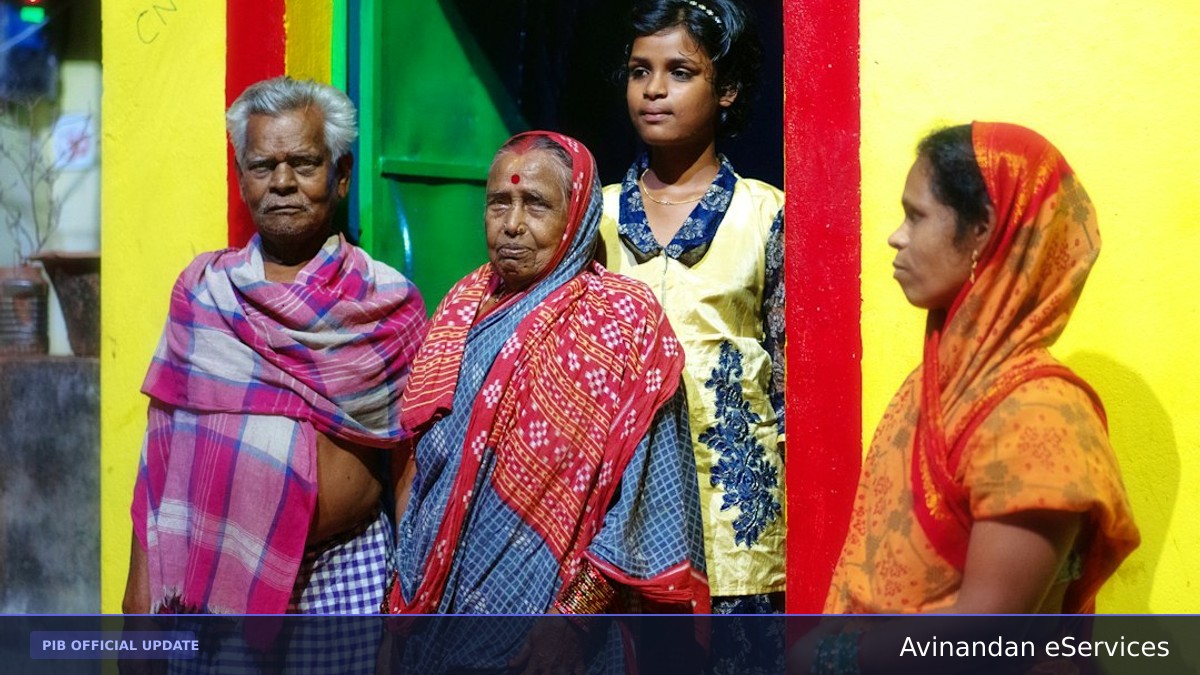
National Biodiversity Authority Marks 23rd Foundation Day: A Milestone in India’s Access and Benefit Sharing (ABS) Success
The National Biodiversity Authority (NBA) is celebrating its 23rd Foundation Day on October 1, 2026, marking over two decades of dedicated service toward the conservation, sustainable use, and equitable sharing of India’s vast biological wealth. Under the aegis of the Ministry of Environment, Forest and Climate Change, the NBA has emerged as a global leader in operationalizing the Access and Benefit Sharing (ABS) mechanism, transforming the intrinsic value of nature into tangible economic and social benefits for local communities.
Key Highlights & Major Announcements
- Financial Milestone: Since 2008, the NBA has realized over Rs 278 crore through ABS, with more than Rs 200 crore already disbursed to support biodiversity conservation and local livelihoods.
- Institutional Reach: The funds have empowered over 10,500 Biodiversity Management Committees (BMCs), 28 State Biodiversity Boards (SBBs), and 7 Union Territory Biodiversity Councils (UTBCs).
- Strategic Impact: Between September 2025 and August 2026 alone, the NBA released Rs 132.01 crore, significantly boosting conservation efforts across the country.
- Digital Transformation: The implementation of an e-filing system has streamlined the processing of 11,273 applications, ensuring transparency and ease of doing business.
- Sectoral Contributions: Major industries, including AYUSH, pharmaceuticals, biotechnology, and cosmetics, are active participants in the ABS framework.
Understanding the ABS Framework: Connecting Nature to People
At the heart of India’s biodiversity governance is the Biological Diversity Act, 2002. The ABS mechanism is designed to ensure that when biological resources—such as medicinal plants, seeds, or microorganisms—are used for commercial purposes, the benefits derived are shared fairly with the communities that have traditionally conserved these resources.
The three-tier architecture of the NBA, SBBs/UTBCs, and BMCs ensures that the benefits reach the grassroots level. Whether it is the conservation of traditional rice varieties, turmeric, or medicinal plants like Ashwagandha and Tulsi, the ABS framework provides the financial backbone for local communities to continue their stewardship of the land.
"The progress in translating Access and Benefit Sharing into tangible outcomes reflects the strengthening of India’s ABS framework and its ability to connect the use of biological resources with conservation and equitable sharing of benefits, directly supporting the vision of Viksit Bharat @2047."
Significance & National Impact
The impact of the NBA’s work \textends far beyond simple financial transactions. By linking biodiversity conservation with sustainable livelihoods, the authority is actively contributing to the national vision of Viksit Bharat @2047. The funds released are being utilized for the creation of People’s Biodiversity Registers, habitat restoration, and the establishment of community gene banks.
Furthermore, the initiative complements flagship government programs such as the PM-JANMAN and the Pradhan Mantri Janjatiya Vikas Mission. By focusing on natural-resource-based livelihoods, the NBA is ensuring that tribal and rural populations are the primary beneficiaries of the commercial value of their local biodiversity. This alignment with the Kunming-Montreal Global Biodiversity Framework (KMGBF) positions India as a proactive participant in global conservation targets, particularly regarding fair and equitable benefit sharing.
Driving Ease of Doing Business
The NBA has successfully balanced stringent conservation goals with the need for industrial growth. Through regulatory reforms and the digitalization of the ABS e-filing system, the authority has made the compliance process more predictable and user-friendly. With 6,074 agreements signed and 2,098 certificates issued, the system is now a model for other nations looking to implement the Nagoya Protocol effectively.
Frequently Asked Questions (FAQs)
What is the primary objective of the Access and Benefit Sharing (ABS) mechanism?
The ABS mechanism ensures that the benefits arising from the commercial utilization of biological resources are shared in a fair and equitable manner with the local communities and institutions that have traditionally conserved these resources.
How does the NBA ensure funds reach the grassroots level?
The NBA works through a three-tier structure: the National Biodiversity Authority at the center, State Biodiversity Boards (SBBs) and Union Territory Biodiversity Councils (UTBCs) at the regional level, and Biodiversity Management Committees (BMCs) at the local village/panchayat level, ensuring direct financial support for local conservation.
Which industries are required to contribute to the ABS fund?
Industries involved in the commercial use of biological resources, including seeds, AYUSH, pharmaceuticals, nutraceuticals, biotechnology, cosmetics, chemicals, and food and beverages, are required to comply with ABS regulations.
Official Source & Verification
This article is grounded on the official press release issued by the Press Information Bureau (PIB), Government of India (Release ID: 2317351, Ministry of Environment, Forest and Climate Change). Access the official document: https://pib.gov.in/PressReleasePage.aspx?PRID=2317351&lang=1.