Boost for Indian Textiles: Government Extends RoSCTL Scheme Until December 2026
In a significant move to bolster the global competitiveness of India’s apparel and made-ups sector, the Ministry of Textiles has officially announced the \textension of the Rebate of State and Central Taxes and Levies (RoSCTL) scheme. The policy, which has been a cornerstone of India’s export strategy since 2019, will now remain operational until December 31, 2026. This \textension provides much-needed policy stability for thousands of exporters, particularly those in the Micro, Small, and Medium Enterprises (MSME) segment, as they navigate an increasingly volatile global trading environment.
Key Highlights & Major Announcements
- Extension Timeline: The RoSCTL scheme has been \textended until December 31, 2026, ensuring long-term policy predictability.
- Core Objective: The scheme aims to achieve the 'zero-rating' of exports by refunding embedded State and Central taxes that are not covered under the GST framework.
- Wide Reach: During the 2025–26 period, the scheme successfully supported over 15,400 exporters across 444 districts.
- MSME Focus: A significant majority of the beneficiaries are MSMEs, highlighting the scheme's role in grassroots economic development.
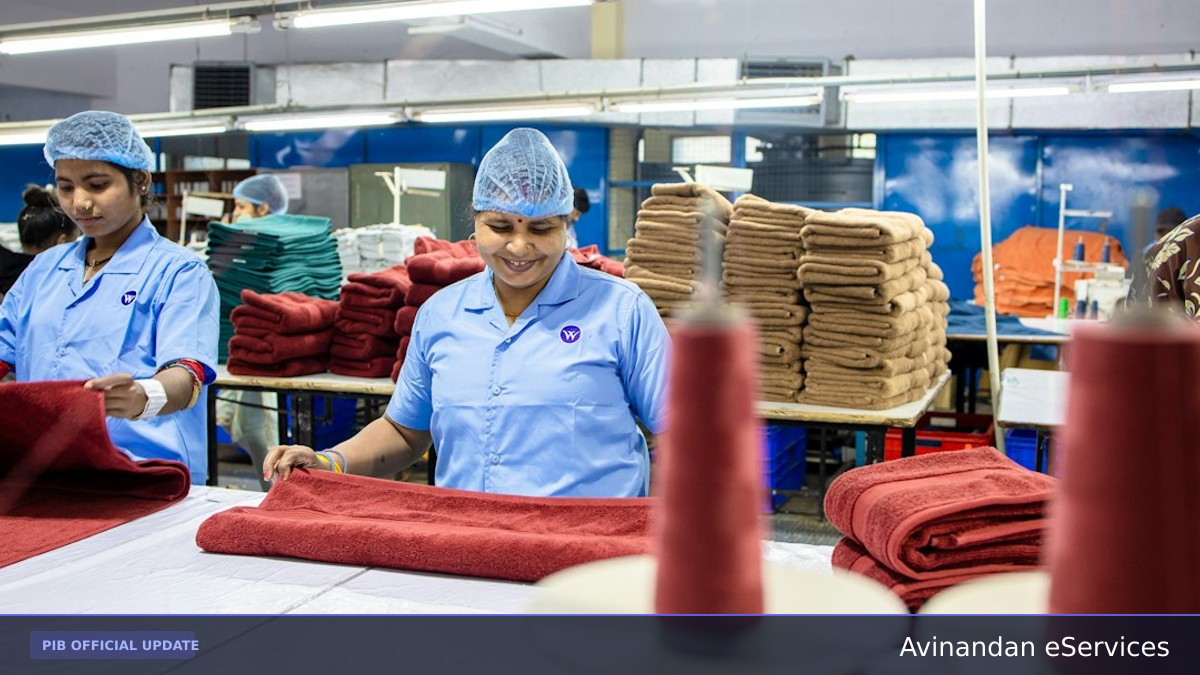
- Sectoral Impact: The policy specifically targets the labour-intensive apparel and made-ups sector, which is a major contributor to India’s employment generation.
Understanding the RoSCTL Scheme: A Strategic Overview
The RoSCTL scheme, which first became operational on March 7, 2019, is designed to address a critical structural disadvantage faced by Indian exporters. In the global market, Indian products often carry the burden of 'embedded' taxes—levies that are paid during the production process but are not refunded through the standard Goods and Services Tax (GST) mechanism. These include state-level taxes like electricity duties, VAT on fuel, and various central levies.
By providing a rebate on these embedded costs, the RoSCTL scheme ensures that Indian exporters are not exporting taxes. This principle of 'zero-rating' is essential for maintaining price parity with international competitors. Without this rebate, the cumulative effect of these hidden taxes would make Indian apparel and home textiles significantly more expensive, thereby eroding their market share in key destinations like the US, EU, and UK.
The Role of MSMEs in the Export Ecosystem
The data from the 2025–26 fiscal year underscores the democratic nature of this scheme. With over 15,400 exporters benefiting across 444 districts, the RoSCTL has effectively decentralized the export ecosystem. By supporting small-scale manufacturers, the government is not only promoting 'Make in India' but also ensuring that the benefits of international trade reach the hinterlands of the country. This dispersed manufacturing base is vital for rural employment and the overall health of the Indian economy.
The \textension of the RoSCTL scheme is a strategic intervention to ensure policy continuity and predictability for our exporters, sustaining the competitiveness of India’s labour-intensive apparel and made-ups sector in an increasingly competitive global trading environment.
Significance & National Impact
The \textension of the RoSCTL scheme is more than just a fiscal incentive; it is a signal of the government's commitment to the textile industry, which is one of the largest employers in the country. By providing a clear roadmap until the end of 2026, the Ministry of Textiles is enabling businesses to plan their capital expenditure, inventory management, and international marketing strategies with greater confidence.
Furthermore, in an era where global supply chains are being reconfigured, India has a unique opportunity to capture a larger share of the global textile market. The RoSCTL acts as a catalyst, allowing Indian manufacturers to offer competitive pricing without compromising on quality or labor standards. This is particularly crucial for the apparel sector, which faces stiff competition from regional peers who often benefit from various state-sponsored subsidies.
Frequently Asked Questions (FAQs)
What is the primary purpose of the RoSCTL scheme?
The primary purpose of the RoSCTL scheme is to refund embedded State and Central taxes and levies that are not covered under the GST, thereby ensuring that Indian exports are 'zero-rated' and globally competitive.
Who are the main beneficiaries of this scheme?
The scheme primarily benefits exporters in the apparel and made-ups sector. A large portion of these beneficiaries are MSMEs, which helps in promoting inclusive growth across 444 districts in India.
How does the \textension until 2026 help exporters?
The \textension provides policy certainty and predictability. Exporters can now plan their long-term production cycles and pricing strategies knowing that the rebate mechanism will remain in place until at least December 31, 2026.
Official Source & Verification
This article is grounded on the official press release issued by the Press Information Bureau (PIB), Government of India (Release ID: 2317338, Ministry of Textiles). Access the official document: https://pib.gov.in/PressReleasePage.aspx?PRID=2317338&lang=1.