Introduction to Indian Art and Culture for RRB Exams
Indian Art and Culture is a high-scoring and critical section under the General Awareness syllabus for Railway Recruitment Board (RRB) examinations, including RRB NTPC, RRB Group D, and RRB Technician. Aspiring candidates often overlook this static portion, yet it frequently features direct factual questions regarding classical dance forms, folk music, architectural wonders, ancient paintings, and traditional handicrafts. Mastering this domain not only boosts your General Awareness score but also helps you secure a definitive edge over competitors in the Computer-Based Test (CBT).
Topic Weightage and Importance
In recent trends of RRB NTPC and Group D examinations, the General Awareness section comprises 40 to 50 questions depending on the tier. Out of these, approximately 3 to 6 questions are directly or indirectly linked to Indian Art and Culture. Questions can range from identifying the state origin of a classical dance like Kathakali or Bharatanatyam to recognizing UNESCO World Heritage Sites in India, prominent temple architectures, and traditional festival names. Given its predictable pattern, studying this topic systematically guarantees high accuracy and saves valuable time during the exam.
Key Concepts and Core Areas
To prepare efficiently for Indian Art and Culture, candidates must categorize their study material into distinct domains. Here are the core pillars you need to master:
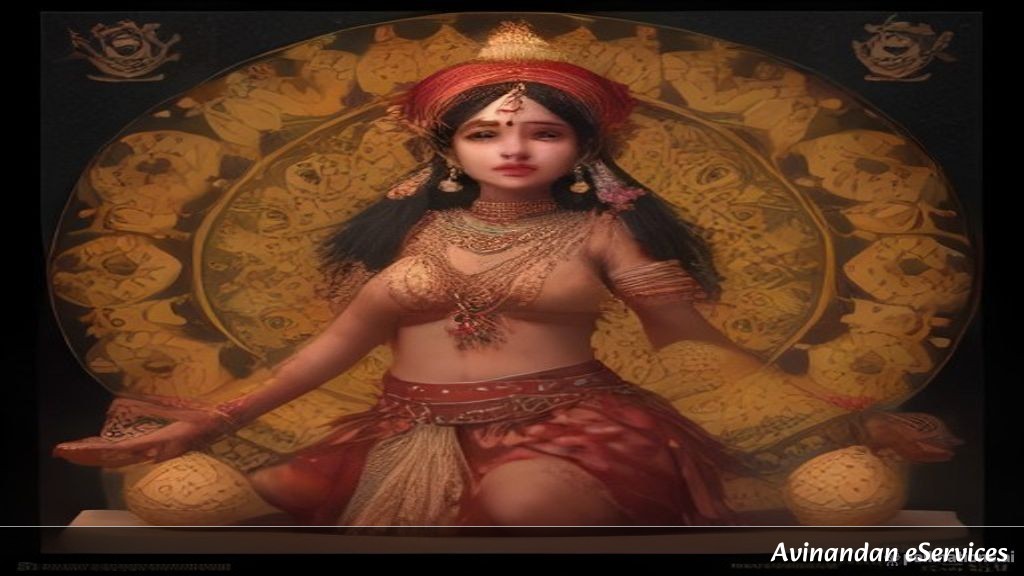
- Classical Dances of India: As per Sangeet Natak Akademi, there are 8 classical dance forms. You must know their states of origin and renowned proponents (e.g., Kathak - Uttar Pradesh, Kathakali - Kerala, Bharatnatyam - Tamil Nadu, Kuchipudi - Andhra Pradesh, Odissi - Odisha, Manipuri - Manipur, Mohiniyattam - Kerala, Sattriya - Assam).
- Folk Dances and Theatre Forms: Regional dances such as Bihu (Assam), Garba (Gujarat), Bhangra (Punjab), Yakshagana (Karnataka), and traditional theatre styles like Bhavai and Nautanki.
- Indian Music Systems: Understanding the two primary classical music traditions: Hindustani music (Northern India) and Carnatic music (Southern India), along with basic concepts of Ragas and Talas.
- Architecture and Sculptures: Famous architectural marvels including Mauryan art, Gupta architecture, Nagar, Dravida, and Vesara temple styles, as well as rock-cut cave architectures like Ajanta, Ellora, and Elephanta.
- Faience, Handicrafts, and Festivals: Important regional festivals, harvest celebrations, and GI-tagged traditional handicrafts.
Solved Examples (Step-by-Step)
Let us review some classic multi-concept questions typically asked in RRB exams, complete with detailed explanations.
Example 1
Question: Match the following classical dances with their respective states: (A) Sattriya - Odisha, (B) Kuchipudi - Andhra Pradesh, (C) Mohiniyattam - Tamil Nadu. Which of the above pairs are correctly matched?
Solution:
Step 1: Analyze pair A: Sattriya originates from the state of Assam, not Odisha. Therefore, pair A is incorrect.
Step 2: Analyze pair B: Kuchipudi is the classical dance form of Andhra Pradesh. Therefore, pair B is correct.
Step 3: Analyze pair C: Mohiniyattam originates from Kerala, not Tamil Nadu. Therefore, pair C is incorrect.
Conclusion: Only pair B is correctly matched.
Example 2
Question: The famous rock-cut Kailash Temple (Cave 16) at Ellora was built under the patronage of which dynasty?
Solution:
Step 1: Recall the rock-cut architecture of Ellora caves located in Aurangabad (Chhatrapati Sambhaji Nagar), Maharashtra.
Step 2: Identify the ruling dynasty during the construction of the monolithic Kailash Temple.
Step 3: King Krishna I of the Rashtrakuta dynasty commissioned this magnificent architectural wonder.
Conclusion: The Rashtrakuta dynasty is the correct answer.
Example 3
Question: Which classical music tradition is primarily prevalent in Southern India?
Solution:
Step 1: Differentiate between the two major Indian classical music genres.
Step 2: Hindustani music is prominent in Northern, Eastern, and Central regions of India.
Step 3: Carnatic music is the classical music system associated with the southern peninsular states (Tamil Nadu, Kerala, Karnataka, and Andhra Pradesh).
Conclusion: Carnatic music is the correct answer.
Common Mistakes to Avoid
Candidates often lose marks due to avoidable errors in static GK. Keep the following pitfalls in mind:
- Confusing States of Origin: Mixing up similar-sounding classical dance forms like Mohiniyattam (Kerala) and Bharatanatyam (Tamil Nadu).
- Ignoring Folk vs Classical: Assuming regional folk dances like Bhangra or Garba are recognized as classical dance forms by the Sangeet Natak Akademi.
- Rote Memorization without Context: Memorizing temple architectural styles without understanding the geographical and dynastic context (e.g., distinguishing Nagara style from Dravida style).
- Skipping Current Affairs in Culture: Failing to track newly declared UNESCO World Heritage Sites or GI-tagged cultural products.
Practice Questions with Solutions
Test your preparation with these high-yield practice questions carefully curated for RRB NTPC and Group D aspirants:
- Which of the following is a folk dance of Goa?
A) Fugdi
B) Rouf
C) Kalbelia
D) Cheraw - The famous Khajuraho temples were built by the rulers of which dynasty?
A) Chola Dynasty
B) Chandela Dynasty
C) Pallava Dynasty
D) Mauryan Dynasty - Madhubani painting is a traditional art form originating from which Indian state?
A) West Bengal
B) Odisha
C) Bihar
D) Maharashtra - Kathak is the classical dance form primarily associated with which region?
A) Kerala
B) Northern India
C) Tamil Nadu
D) Manipur - Who among the following is a legendary exponent of the Sitar?
A) Pandit Ravi Shankar
B) Ustad Bismillah Khan
C) Pandit Shiv Kumar Sharma
D) Hari Prasad Chaurasia
Solutions to Practice Questions
1. Answer: A (Fugdi)
Explanation: Fugdi is a popular Goan folk dance performed by women during Hindu religious festivals.
2. Answer: B (Chandela Dynasty)
Explanation: The UNESCO World Heritage-listed Khajuraho group of monuments were built by the Chandela rulers between 950 and 1050 AD.
3. Answer: C (Bihar)
Explanation: Madhubani painting (Mithila painting) is practiced in the Mithila region of Bihar and Nepal.
4. Answer: B (Northern India)
Explanation: Kathak traces its origins to the storytelling bards of northern India known as Kathakars.
5. Answer: A (Pandit Ravi Shankar)
Explanation: Pandit Ravi Shankar was a world-renowned maestro of the Sitar. Ustad Bismillah Khan played the Shehnai, Pandit Shiv Kumar Sharma played the Santoor, and Hari Prasad Chaurasia played the Flute.
Frequently Asked Questions (FAQs)
Q1: How many classical dance forms are officially recognized in India?
Ans: The Sangeet Natak Akademi currently recognizes 8 classical dance forms in India.
Q2: Are questions from Indian Art and Culture asked in RRB Group D exams?
Ans: Yes, static general awareness sections in both RRB NTPC and RRB Group D frequently feature 1 to 3 questions from Indian culture, festivals, and dances.
Q3: What is the best way to memorize art and culture facts?
Ans: Use visual mnemonics, create state-wise summary charts, and practice previous years' question papers regularly.
Conclusion and Final Tips
Mastering Indian Art and Culture is an achievable milestone for any dedicated railway job aspirant. By breaking down the syllabus into structured lists of dances, temples, music genres, and historical monuments, you can systematically conquer this high-yield section. Stay consistent with your revision, attempt daily mock tests, and keep your focus unwavering. Success in RRB NTPC and Group D is built on relentless practice and smart preparation. Good luck!