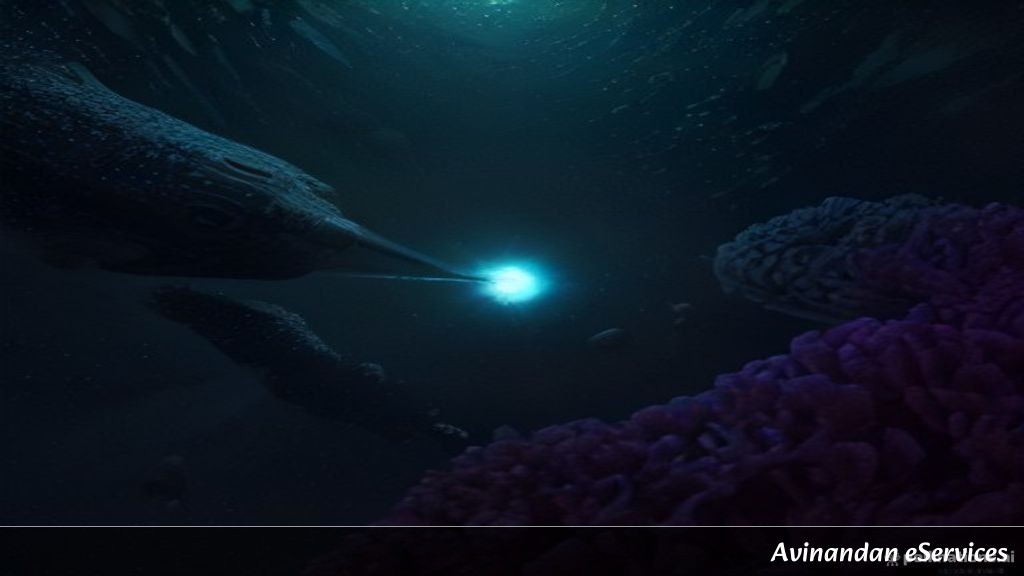
Kabir: Ananya, look at this magazine picture! There are these crazy deep-sea worms that build little armor houses out of snail shells. How is that even possible down in the dark ocean?
Ananya: Ah, you are looking at the amazing deep-sea mollusk-shell-building tubeworms, Kabir! They are incredible creatures that live near hydrothermal vents. Instead of just growing a soft tube, they scavenge tiny dead gastropod shells and cement them together.
Wow, how does that work?
Kabir: Wow, how does that work? Do they have tiny little glue guns hidden in their tubes?
Ananya: Not quite! They secrete a special protein-rich mucus from their bodies that acts like super-strong underwater epoxy. They pick up tiny discarded shells, arrange them piece by piece, and bind them into a rigid, protective armored tunnel.
Kabir: That sounds like a tiny medieval knight building a fortress out of recycled armor! Why do they need to go through all that trouble?
Ananya: It is all about survival! The deep ocean is full of hungry predators like crabs and fish with crushing jaws. Without a hard shell shield, these soft-bodied worms would be an easy snack. Plus, hydrothermal vents shoot out boiling hot water and toxic minerals, so their armored tubes help regulate their environment.
Kabir: That is so clever. Are they related to the earthworms we see in our garden during the monsoon?
Ananya: Not really! Garden earthworms eat soil and organic matter. These deep-sea vent worms often don't even have mouths or stomachs. Instead, they have tiny bacteria living inside them that turn toxic hydrogen sulfide from the vents into food using chemosynthesis, kind of like how plants use sunlight for photosynthesis!
Kabir: Mind blown! No mouth, no stomach, wearing a snail-shell armor suit, and powered by deep-sea chemicals. Mother Nature is the coolest engineer ever.
Ananya: She really is, Kabir. Scientists study these worms to understand how life can thrive in \textreme environments, which even helps astrobiologists think about life on other planets!
So, What Did We Learn Today?
- Certain deep-sea tubeworms build protective tube houses using discarded snail shells and special bodily secretions.
- They use a protein-rich underwater adhesive that acts like strong epoxy to cement the shells together.
- These armor tubes protect them from fierce predators and harsh, toxic hydrothermal vent conditions.
- Unlike garden worms, many of these deep-sea worms lack mouths and rely on symbiotic bacteria for food through chemosynthesis.
Kabir: I am definitely adding deep-sea armored worms to my list of favorite animals. Thanks for explaining it, Ananya!