Aarav: Priya, I was watching a cartoon about sea animals, and it showed a starfish eating a clam by pushing its actual stomach out of its mouth! Is that even real, or just silly cartoon magic?
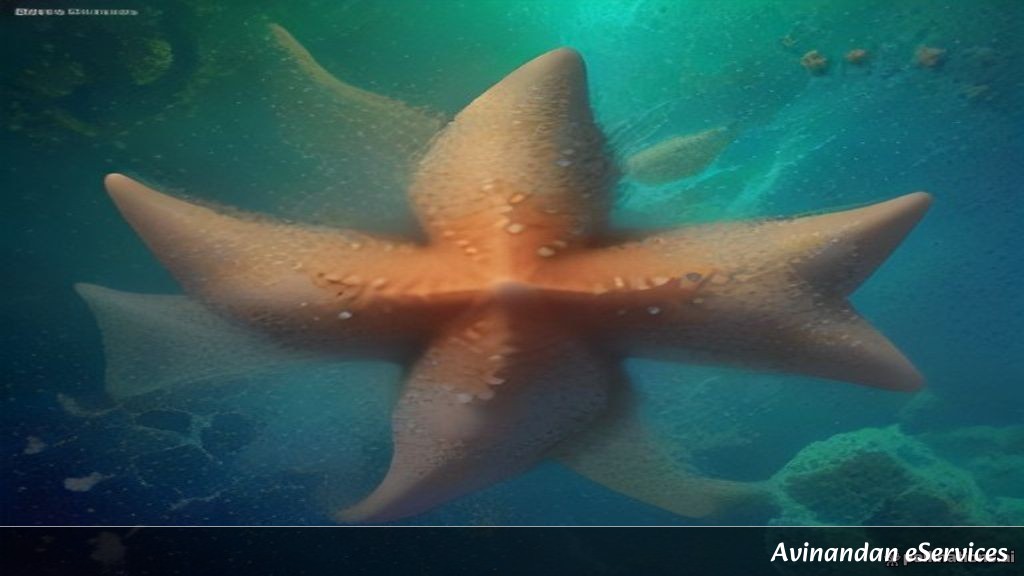
Priya: Believe it or not, Aarav, that is completely real! Starfish, which scientists actually prefer to call sea stars because they aren't true fish, have one of the strangest eating habits in the entire ocean.
Aarav: Whoa! That sounds totally gross and super fascinating at the same time. How on earth does a sea star even do that? Doesn't it hurt?
Priya: Not at all! A sea star's body is built like a living hydraulic machine. When it finds a delicious meal like a clam or a mussel, it uses the hundreds of tiny, suction-cup tube feet on its bottom side to pry open the clam's shell just a tiny crack.
Aarav: Just a crack? But how does it eat the meat if the shell is barely open?
Priya: That is where the magic happens! The sea star has two stomachs. It pushes its main stomach, called the cardiac stomach, right out through its mouth and slips it directly through that tiny crack into the clam's shell.
Aarav: Wow! So the stomach goes outside the body to grab the food? What does it do in there?
Priya: Once the cardiac stomach is inside the clam, it releases special digestive juices that turn the clam's soft body into a liquid soup. Then, the sea star simply absorbs the yummy liquid soup right back into its stomach!
Aarav: That is wild! It basically turns its food into a milkshake before swallowing it. But why do they have to do it that way instead of just chewing?
Priya: Excellent question, Aarav! Sea stars don't have any teeth to chew tough shells, and they don't have jaws either. Plus, their mouths are actually quite small compared to the huge clams and oysters they love to eat. By pushing their stomach out, they can digest prey that is much bigger than their actual mouth opening.
Aarav: That is brilliant engineering by nature. Do they ever pull their stomach back inside?
Priya: Always! Once the meal is fully digested and slurped up, strong muscles inside the sea star pull the cardiac stomach back inside its central disk. Then, the food moves into a second stomach, called the pyloric stomach, to finish up the digestion process.
Aarav: I am never looking at a starfish the same way again. They look so peaceful and slow when they are sitting on a rock, but they are secretly little alien hunters!
Priya: Exactly! They might look cute, but they are powerful predators that help keep ocean ecosystems balanced. Nature always finds the most creative ways to survive.
So, What Did We Learn Today?
- Unique Anatomy: Sea stars possess two distinct stomachs: the cardiac stomach and the pyloric stomach.
- External Digestion: They can push their cardiac stomach completely outside of their body to dissolve and consume large prey like clams.
- No Teeth Needed: Because they lack teeth and jaws, \texternal digestion allows them to eat food larger than their mouths.
- Ocean Balance: These fascinating feeding habits make sea stars important predators in marine ecosystems.
Aarav: I am definitely going to tell my friends that starfish eat dinner outside their shirts... I mean, outside their bodies! Thanks for another amazing science fact, Priya!