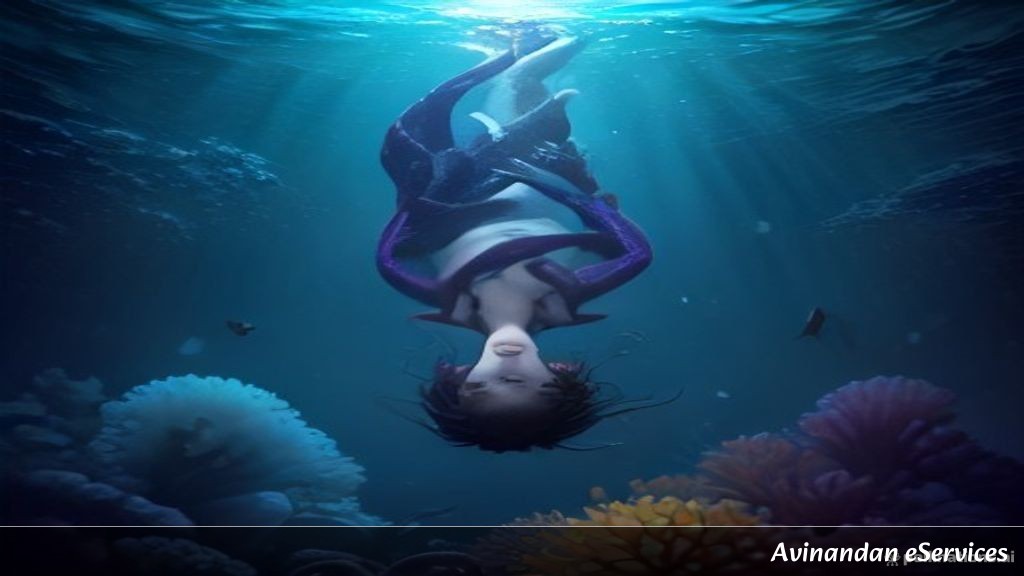
Vikram: Isha, look at this funny video on my tablet! This deep-sea squid is swimming completely upside down, like it is doing a handstand in the water!
Isha: That is not just playing around, Vikram! That is actually a very smart survival trick. Have you ever heard of the cock-eyed squid or certain midwater species that tilt their bodies in the dark ocean?
Vikram: Wait, they swim upside down on purpose? Why would a squid want to do a handstand in the middle of the deep ocean? Does it help them catch fish faster?
Isha: Not quite! It is all about hiding from predators and hunting from below. In the ocean's twilight zone, sunlight filters down from the surface. If animals swim normally, their silhouettes stand out clearly to hungry creatures looking up from the deep.
Vikram: Ah, I get it! So if a predator is swimming underneath them, a normal squid would look like a dark shadow against the bright surface light.
Isha: Exactly! But by tilting their bodies or swimming upside down, some of these amazing cephalopods change their profile. Combined with special glowing organs on their bodies called photophores, they can match the dim sunlight coming from above. This trick is called counter-illumination, and it makes them practically invisible!
Vikram: That is like having a real-life Harry Potter invisibility cloak! How do scientists even figure out stuff like this in the deep, dark ocean?
Isha: Marine biologists use remote-controlled submarines and deep-sea cameras with special low-light sensors. When they watched these squids in their natural habitat, they realized that swimming upside down or at a tilted angle helps their glowing belly lights match the exact brightness of the water overhead.
Vikram: Nature is like an ultimate inventor. First camouflage, and now underwater stealth aircraft tricks! Are there other animals that use light to hide?
Isha: Yes, many creatures in the mesopelagic zone use bioluminescence to blend in. Hatchetfish and certain deep-sea prawns do a similar trick with their glowing bellies. Physics and biology work together to keep them safe in the open ocean where there are no rocks to hide behind.
Vikram: My mind is officially blown. Next time I try doing a handstand in the living room, I am going to pretend I am a stealth deep-sea squid!
So, What Did We Learn Today?
- Certain deep-sea squid species swim upside down or at tilted angles to blend into their dark ocean environment.
- Sunlight filtering from the surface can make normal-swimming animals cast dark silhouettes for predators below.
- Counter-illumination uses special glowing organs called photophores to match the brightness of overhead sunlight.
- Marine scientists use advanced deep-sea submersibles to study these clever underwater survival adaptations.
Vikram: I am definitely adding deep-sea squid handstands to my list of coolest animal facts ever!