Introduction to the Topic
Welcome to an exciting journey into the world of botany! In Class VII Science, Chapter 12 explores Reproduction in Plants, a fundamental biological process that ensures the continuity of plant species on Earth. Just like animals, plants also produce offspring. But how do they do it? Unlike animals, plants have fascinating and diverse ways of creating new life, ranging from simple division to complex flowering mechanisms.
Understanding reproduction helps us appreciate the green world around us, from the towering trees in forests to the delicate flowering plants in our gardens. Let us dive deep into the mechanisms of how plants propagate, spread, and thrive across generations.
Key Concepts Explained
The process of reproduction in plants is broadly classified into two main types: Asexual Reproduction and Sexual Reproduction. Let us explore each of these categories in detail.
1. Asexual Reproduction in Plants
In asexual reproduction, plants can give rise to new plants without the involvement of seeds or flowers. The offspring are exact genetic copies of the parent plant. Some common methods include:
- Vegetative Propagation: A new plant grows from vegetative parts of the plant such as roots, stems, or leaves. For example, potato tubers sprout from buds called "eyes," and ginger grows from underground stems called rhizomes. Bryophyllum plants can even grow new plantlets from the margins of their leaves!
- Budding: Commonly seen in single-celled organisms like yeast, a small bulb-like projection called a bud develops, grows, and eventually detaches to form a new individual.
- Fragmentation: In simple aquatic plants like Spirogyra (algae), the body breaks up into two or more fragments, and each fragment grows into a new individual.
- Spore Formation: Non-flowering plants like ferns and mosses produce tiny, lightweight, hard-shelled structures called spores. When conditions are favorable, these spores germinate into new plants.
2. Sexual Reproduction in Plants
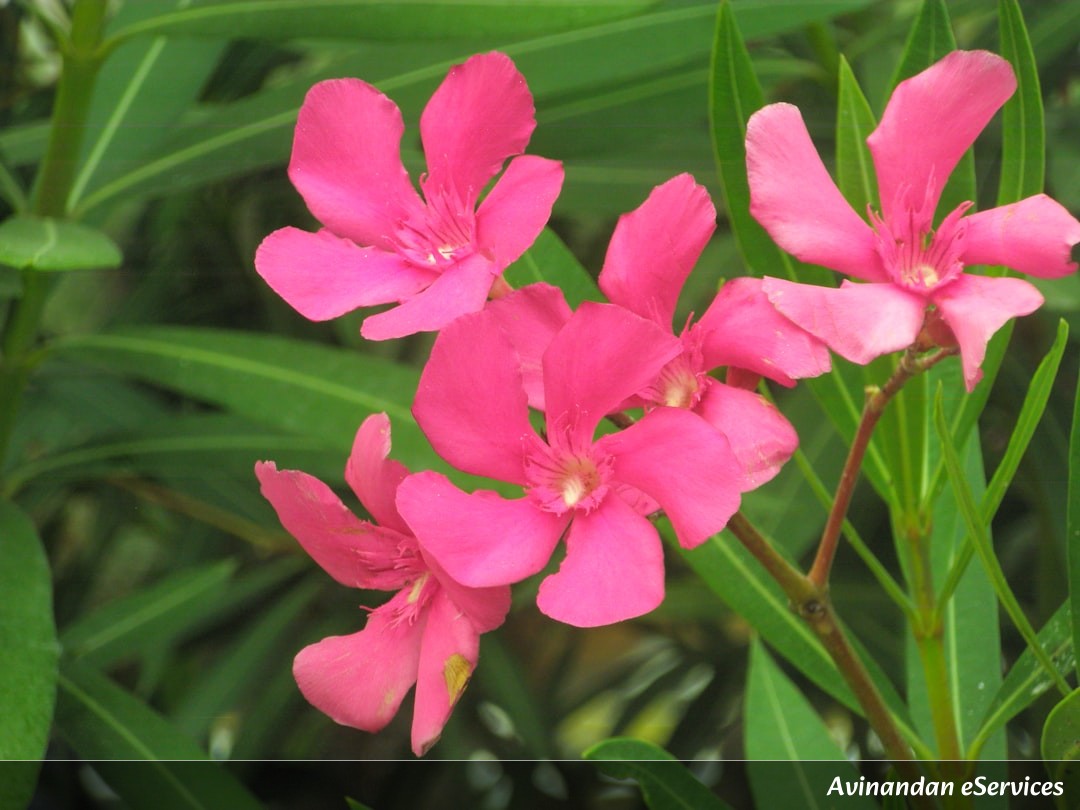
Sexual reproduction involves the fusion of male and female gametes. In plants, the flower is the reproductive part. A typical flower contains male parts (stamens) and female parts (pistils).
- Stamen (Male Reproductive Organ): Consists of the filament and the anther. The anther contains pollen grains, which produce the male gametes.
- Pistil (Female Reproductive Organ): Consists of the stigma, style, and ovary. The ovary contains one or more ovules, which house the female gamete (egg).
3. Pollination
Before fertilization can occur, pollen grains must be transferred from the anther to the stigma of the same flower or another flower of the same plant. This process is called pollination.
- Self-Pollination: When pollen lands on the stigma of the same flower or another flower on the same plant.
- Cross-Pollination: When pollen is transferred from the flower of one plant to the stigma of a flower of another plant of the same kind. This is often aided by \texternal agents such as wind, water, insects (bees, butterflies), and birds.
4. Fertilization and Seed Formation
Once the pollen grain reaches the stigma, it produces a pollen tube that grows down through the style into the ovary. The male gamete travels down this tube to fuse with the female gamete inside the ovule. This fusion of male and female gametes is called fertilization.
After fertilization, the zygote develops into an embryo. The ovule develops into a seed, storing food for the young plant, while the ovary swells and ripens into a fruit. The petals, sepals, and stamens usually wither and fall off.
5. Seed Dispersal
If all seeds fall directly beneath the parent plant, they would compete for light, water, minerals, and space. Nature solves this through seed dispersal, where seeds are scattered over wide areas using various agents:
- Wind: Light and winged seeds (like maple) or hairy seeds (like cotton) are carried away by gentle breezes.
- Water: Seeds with fibrous or spongy outer coats (like coconut) float and travel across water bodies.
- Animals: Spiny seeds with hooks (like Xanthium) stick to the fur of animals, while fleshy fruits are eaten by birds and animals, and their seeds are excreted elsewhere.
- Explosion: Some fruits burst open with a sudden jerk, scattering seeds far from the parent plant (e.g., balsam and peas).
Summary & Key Takeaways
- Plants reproduce through two primary modes: asexual and sexual reproduction.
- Asexual reproduction does not involve seeds and includes vegetative propagation, budding, fragmentation, and spore formation.
- Flowers are the reproductive organs in sexual reproduction, containing male (stamen) and female (pistil) parts.
- Pollination is the transfer of pollen from anther to stigma, driven by wind, water, or animals.
- Fertilization leads to the formation of seeds inside a fruit, which are later dispersed to prevent overcrowding and ensure species survival.