In a significant move towards transparent governance and farmer-centric administration, the Central Bureau of Narcotics (CBN) Uttar Pradesh Unit organized a comprehensive public hearing on October 12, 2026. Held at the office premises of the District Opium Officer in Barabanki, the event served as a vital platform for opium cultivators to voice their concerns directly to high-ranking officials. This initiative, spearheaded by the Ministry of Finance, underscores the government's commitment to streamlining the complex regulatory framework of opium cultivation while ensuring the welfare of the farming community.
Key Highlights & Major Announcements
- Direct Engagement: The hearing was chaired by the Deputy Narcotics Commissioner (Lucknow), alongside the Assistant Narcotics Commissioner and senior officers from the Barabanki Division.
- Farmer Participation: Approximately 150 opium cultivators attended the session, representing various clusters within the region.
- Grievance Redressal: Immediate solutions were provided for operational queries, while policy-related suggestions were formally recorded for higher-level review.
- Licensing Reforms: Farmers proposed a shift from village-wise plot licensing to a system based on the mean distance from the farmer’s dwelling to mitigate logistical hurdles.
- Upcoming Helpline: A dedicated helpline number will be launched for the 2026-27 licensing operation to provide real-time assistance to cultivators.
- Expansion Requests: Cultivators formally requested an increase in the number of licenses issued and an expansion of the permissible plot sizes.
Contextual Analysis: The Strategic Importance of Opium Cultivation in India
India remains one of the few countries globally authorized by the United Nations to produce legal opium for medicinal and scientific purposes. The Central Bureau of Narcotics (CBN), under the Department of Revenue, Ministry of Finance, plays a dual role: it acts as a regulatory watchdog to prevent the diversion of opium into illicit channels and functions as a facilitator for the thousands of farmers who depend on this crop for their livelihood.
The Regulatory Landscape and the NDPS Act
Opium cultivation in India is strictly governed by the Narcotic Drugs and Psychotropic Substances (NDPS) Act, 1985. Every year, the Government of India announces a specific 'Opium Policy' that dictates the eligibility criteria for licensing, the Minimum Qualifying Yield (MQY), and the price to be paid to farmers. Because the crop is highly sensitive and carries significant international security implications, the administrative process has historically been rigorous. However, the recent public hearing in Barabanki signals a shift toward a more empathetic, 'farmer-friendly' administrative model.
Addressing Operational Challenges: Irrigation and Climate
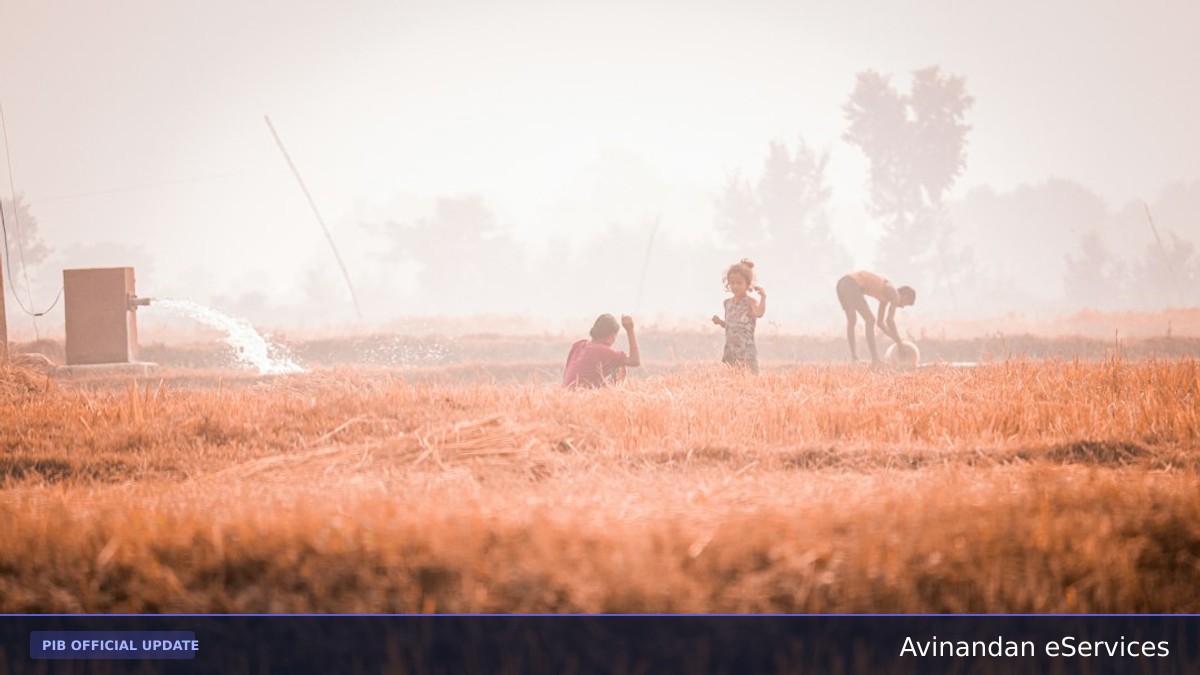
During the hearing, farmers highlighted the increasing difficulty of managing cultivation within a single, fixed plot. With changing climatic patterns and varying groundwater levels, the 'single plot' restriction often leads to crop failure if that specific patch of land faces irrigation issues. By advocating for more flexible licensing, farmers are seeking a safety net against the vagaries of nature. The Deputy Narcotics Commissioner acknowledged these 'climatic vagaries,' noting that the department is looking into administrative remedies that balance regulatory security with agricultural viability.
"The hearing was organised to provide quick and easy solutions to problems issues faced by opium cultivators and receive suggestions on making the opium cultivation farmer friendly. The concerns, queries, and doubts presented by the farmers were heard carefully and quick solutions, as far as possible, were provided."
Significance & National Impact
The Barabanki public hearing is more than just a local meeting; it is a reflection of the broader 'Minimum Government, Maximum Governance' philosophy. By bringing the office of the Deputy Narcotics Commissioner to the doorstep of the farmer, the Ministry of Finance is reducing the trust deficit between the regulator and the regulated.
Economic Impact on Rural Uttar Pradesh
Opium is a high-value crop that contributes significantly to the rural economy of districts like Barabanki, Lucknow, and Bareilly. The demand for an increase in the number of licenses and plot sizes indicates a growing interest among farmers to scale their operations. If the government acts on these suggestions in the 2026-27 policy, it could lead to a substantial increase in rural household incomes and strengthen India's position as a global supplier of alkaloid raw materials for the pharmaceutical industry.
Technological Integration: The 2026-27 Helpline
The announcement of a dedicated helpline for the upcoming licensing season is a major step toward digital empowerment. Historically, farmers had to travel long distances to the District Opium Office for minor clarifications. The helpline will democratize access to information, allowing farmers to resolve issues related to documentation, measurement, and licensing criteria from their homes. This move is expected to significantly reduce the influence of middlemen and enhance the transparency of the licensing process.
Frequently Asked Questions (FAQs)
1. What is the purpose of the CBN public hearing for opium cultivators?
The public hearing is designed to provide a direct channel for farmers to resolve grievances, understand legal provisions, and offer suggestions to make the licensing and cultivation process more farmer-friendly and efficient.
2. What were the main demands raised by the farmers in Barabanki?
Farmers primarily requested a change in the plot licensing system (moving toward mean distance from dwellings), an increase in the total number of licenses, larger permissible plot sizes, and better solutions for irrigation and climate-related challenges.
3. How will the new helpline benefit opium cultivators in the 2026-27 season?
The helpline, to be operated from the DNC Office in Lucknow, will provide real-time guidance on licensing procedures, help farmers navigate regulatory requirements, and offer a quick mechanism for grievance reporting without the need for physical travel.
4. Who regulates opium cultivation in India?
Opium cultivation is regulated by the Central Bureau of Narcotics (CBN), which falls under the Ministry of Finance, Government of India. It ensures compliance with the NDPS Act and international treaties.
Official Source & Verification
This article is grounded on the official press release issued by the Press Information Bureau (PIB), Government of India (Release ID: 2324039, Ministry of Finance). Access the official document: https://pib.gov.in/PressReleasePage.aspx?PRID=2324039&lang=1.