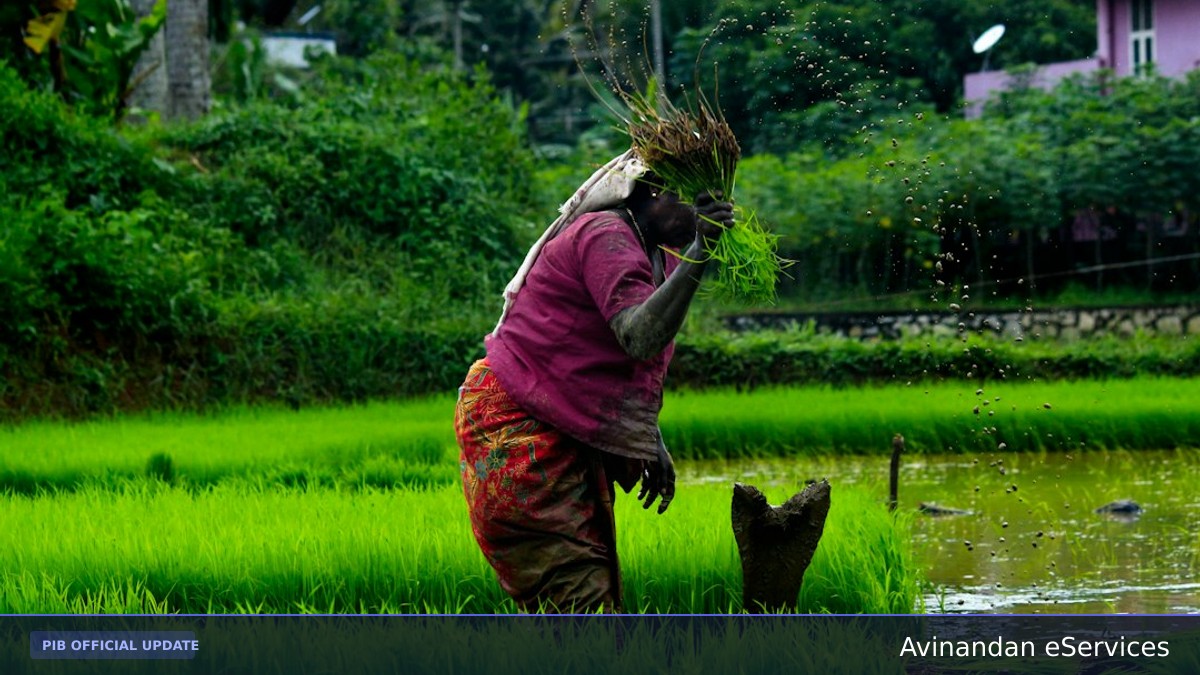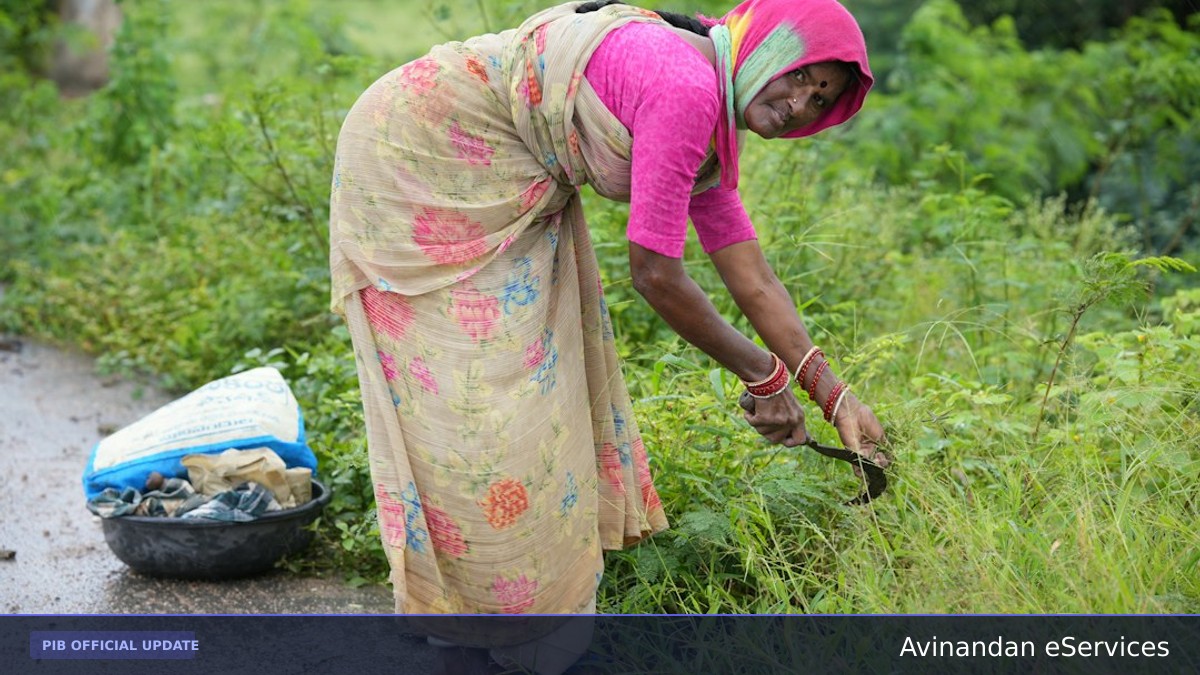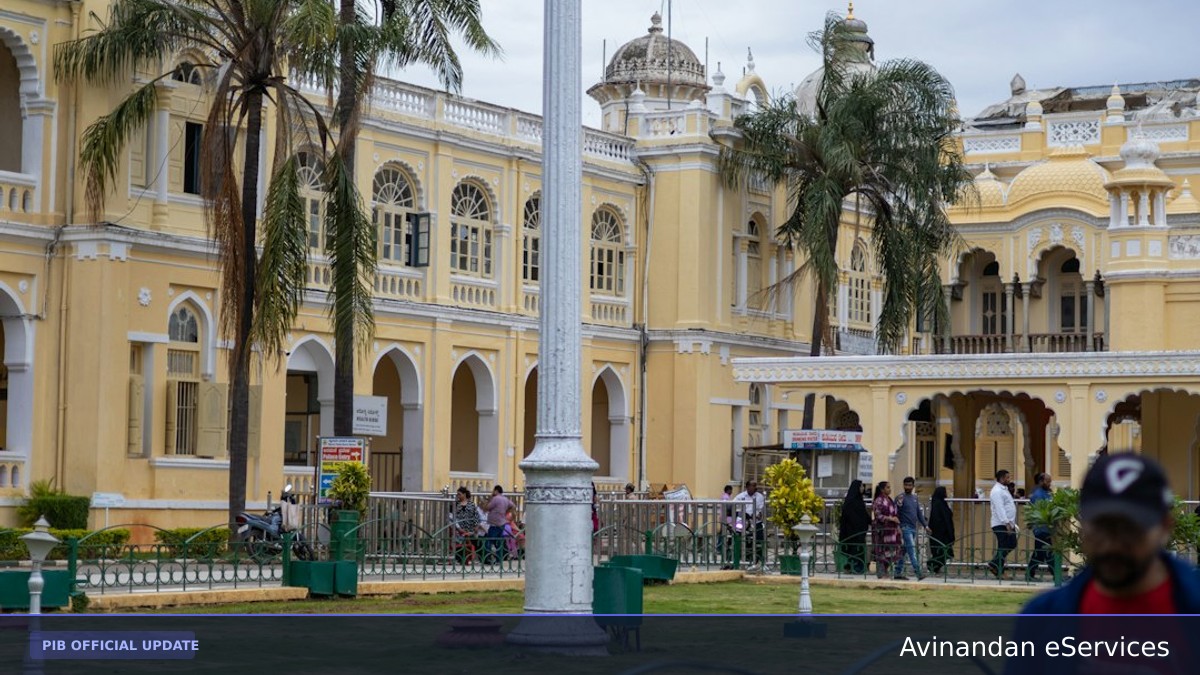
In a significant move toward the socio-economic upliftment of India’s marginalized communities, the Ministry of Social Justice and Empowerment, Government of India, has organized the nine-day SHILP SAMAGAM MELA 2026 at the iconic Mysuru Dasara Exhibition Grounds in Karnataka. Commencing on October 11, 2026, this grand exhibition serves as a vital marketing bridge for artisans belonging to Scheduled Castes (SCs), Other Backward Classes (OBCs), and Safai Karamcharis. By providing a national stage for traditional craftsmanship, the government aims to foster entrepreneurship and financial independence among those who have historically remained on the fringes of the mainstream economy.
Key Highlights & Major Announcements
- Event Duration: The Mela is a nine-day event running from October 11 to October 19, 2026.
- Organizing Bodies: A collaborative effort by three national corporations: NSFDC (National Scheduled Castes Finance and Development Corporation), NBCFDC (National Backward Classes Finance and Development Corporation), and NSKFDC (National Safai Karamcharis Finance and Development Corporation).
- Artisan Participation: Features 83 stalls, with 80 dedicated to artisans from 12 States and Union Territories, including 37 women entrepreneurs.
- Financial Outlay: Union Minister Shri Ramdas Athawale highlighted a massive 1.98 Lakh Crore allocation for social welfare schemes within the Union Budget.
- Loan Facilities: Concessional financial assistance ranging from 1.5 Lakh to 35 Lakh is available for eligible beneficiaries to start or expand their enterprises.
- Digital Integration: Introduction of the BHARAT TULIP initiative to connect traditional artisans with global digital markets.
A Strategic Platform for Economic Inclusion
The SHILP SAMAGAM MELA is not merely an exhibition; it is a strategic intervention designed to solve the primary challenge faced by rural and marginalized artisans: market access. For many beneficiaries of the NSFDC, NBCFDC, and NSKFDC, the ability to produce high-quality goods is often hampered by the lack of a platform to reach urban consumers. By hosting the Mela at the Mysuru Dasara Exhibition Grounds—a hub of cultural tourism—the Ministry ensures high footfall and direct interaction between producers and buyers.
A senior official from the NSFDC emphasized that the Mela provides a comprehensive marketing ecosystem. Artisans are not only selling products but are also learning about consumer preferences, branding, and competitive pricing. This exposure is critical for the long-term sustainability of their micro-enterprises. The participation of 12 states, including Andhra Pradesh, Bihar, Karnataka, Kerala, Rajasthan, and Uttar Pradesh, brings a diverse array of India’s cultural heritage under one roof, ranging from Saharanpur wood carvings to Pochampally silks.
Empowering Women and Vulnerable Sections
One of the standout features of the 2026 edition is the significant representation of women artisans. With 37 stalls managed by women, the event underscores the government’s focus on gender-inclusive economic growth. By empowering women within the SC, OBC, and Safai Karamchari categories, the Ministry is effectively targeting the core of rural household economies. These women are not just artisans; they are breadwinners and role models within their communities.
“The Central Government is deeply committed to the economic and social empowerment of socially disadvantaged and vulnerable sections. Through initiatives like Shilp Samagam, we are ensuring that the benefits of development reach the last mile, providing our artisans with the tools and the platform they need to thrive in a competitive market.”
— Shri Ramdas Athawale, Union Minister of State for Social Justice and Empowerment
Financial Assistance and Welfare Schemes: A Macro Perspective
During his visit to the Mela, Minister Ramdas Athawale provided a broader context of the government’s welfare architecture. He noted that out of the total Union Budget of 57 Lakh Crore, a substantial 1.98 Lakh Crore has been earmarked specifically for social welfare. This funding fuels a variety of schemes designed to provide a safety net while simultaneously promoting upward mobility.
Concessional Loans and Entrepreneurship
The three national corporations (NSFDC, NBCFDC, and NSKFDC) play a pivotal role in \textending credit. Loans ranging from 1.5 Lakh to 35 Lakh are provided at concessional interest rates, significantly lower than commercial bank rates. This capital is intended for setting up small-scale manufacturing units, purchasing equipment, or scaling up traditional handloom and handicraft businesses. The Minister urged eligible youth and artisans to take advantage of these schemes to become 'Job Creators' rather than 'Job Seekers.'
Impact on Karnataka: A Regional Success Story
The Minister highlighted specific data points reflecting the success of central schemes in Karnataka. Under the Pradhan Mantri Awas Yojana (PMAY), approximately 10 lakh beneficiaries in the state have received housing support. Furthermore, the Pradhan Mantri Jan-Dhan Yojana has seen the opening of over 2.22 crore bank accounts in Karnataka, ensuring that financial subsidies and credits reach the intended recipients without leakage.
In Mysuru district specifically, the educational support system is robust. Over 13,000 students in primary education and 31,000 post-matric students are benefiting from government scholarships. The Minister also noted that 75% of students in government hostels belong to Scheduled Castes, receiving monthly stipends to support their living expenses, thereby reducing the dropout rate among marginalized communities.
The BHARAT TULIP Initiative: Bridging the Digital Divide
Recognizing the shift toward e-commerce, the Ministry is promoting the BHARAT TULIP (Traditional Artisans’ Upliftment Livelihood Programme). This initiative is a game-changer for traditional craftsmen who may not have the technical expertise to navigate online marketplaces. BHARAT TULIP provides branding support and a digital platform to showcase products to a global audience. By digitizing the inventory of SC and OBC artisans, the government is ensuring that the 'Vocal for Local' movement gains international momentum.
Significance & National Impact
The SHILP SAMAGAM MELA represents a holistic approach to governance where social justice meets economic strategy. The impact of such melas is three-fold:
- Cultural Preservation: By providing a viable income, the government encourages the younger generation of artisan families to continue their ancestral crafts, such as rosewood wall hangings, terracotta, and block printing, which might otherwise be lost to industrialization.
- Social Dignity: For Safai Karamcharis and other vulnerable groups, transitioning into entrepreneurship and artisanal trade provides a path to social dignity and breaks the cycle of traditional occupational hazards.
- Economic Resilience: By diversifying the income sources of the rural poor and providing them with direct market access, the government is building a more resilient grassroots economy that is less dependent on middle-men.
Since its inception in 2022, the Shilp Samagam series has benefited nearly 1,000 artisans across 13 fairs. The Mysuru edition marks the beginning of the 2026-27 cycle, with upcoming events planned for Guwahati, New Delhi (Dilli Haat), Jodhpur, and Lucknow, ensuring a pan-India reach for this empowerment mission.
Frequently Asked Questions (FAQs)
1. What is the primary objective of the Shilp Samagam Mela?
The primary objective is to provide a marketing platform for artisans from Scheduled Castes (SCs), Other Backward Classes (OBCs), and Safai Karamcharis. It aims to showcase their traditional handicrafts and handloom products to a wider audience, helping them establish direct market linkages and sustainable livelihoods.
2. Who can apply for financial assistance under the Ministry's corporations?
Artisans and individuals belonging to Scheduled Castes, Other Backward Classes, and Safai Karamcharis, as well as Transgender persons and Persons with Disabilities (PwDs), are eligible for financial assistance. Loans range from 1.5 Lakh to 35 Lakh depending on the specific scheme and eligibility criteria.
3. What is the BHARAT TULIP initiative?
BHARAT TULIP (Traditional Artisans’ Upliftment Livelihood Programme) is a digital initiative by the Ministry to expand market access for artisans. It focuses on branding products and facilitating online sales through digital platforms both in India and abroad, helping traditional skills adapt to the modern e-commerce landscape.
4. How does the government support artisans participating in the Mela?
The Ministry facilitates participation by providing free stalls at the exhibition. Additionally, it offers support for travel expenses, daily allowances, transportation of goods, and meals, ensuring that the artisans do not face a financial burden while showcasing their work.
Official Source & Verification
This article is grounded on the official press release issued by the Press Information Bureau (PIB), Government of India (Release ID: 2324066, Ministry of Social Justice & Empowerment). Access the official document: https://pib.gov.in/PressReleasePage.aspx?PRID=2324066&lang=1.