In a significant move aimed at bolstering food safety standards and ensuring the global competitiveness of Indian tea, the Food Safety and Standards Authority of India (FSSAI) has officially notified draft amendments to regulate pesticide residues. The apex food regulator, under the aegis of the Ministry of Health and Family Welfare, has proposed new Maximum Residue Limits (MRLs) for two critical pesticides—Acetamiprid and Imidacloprid—specifically for the tea sector. This development, announced on October 17, 2026, underscores India's commitment to a science-based regulatory framework that balances consumer health with the practicalities of modern agricultural production.
Key Highlights & Major Announcements
- New Regulatory Benchmarks: The draft Food Safety and Standards (Contaminants, Toxins and Residues) Amendment Regulations, 2026, proposes specific MRLs for tea.
- Acetamiprid Limits: A proposed MRL of 20 mg/kg (20 ppm) for Acetamiprid in tea.
- Imidacloprid Limits: A proposed MRL of 50 mg/kg (50 ppm) for Imidacloprid in tea.
- Global Comparison: India’s proposed limit for Acetamiprid (20 ppm) is notably stricter than those in Japan (30 ppm) and the United States (50 ppm).
- Scientific Basis: The limits are formulated based on rigorous scientific assessments, dietary exposure data, and international Codex standards.
- Pesticide Management: The move follows the previous delisting of 13 high-toxicity pesticides, reflecting a shift toward safer crop protection.
Understanding the Science of Maximum Residue Limits (MRLs)
Maximum Residue Limits (MRLs) are not just arbitrary numbers; they are the cornerstone of international food safety. An MRL represents the maximum concentration of a pesticide residue that is legally permitted in or on food commodities and animal feed. These limits are established based on 'Good Agricultural Practice' (GAP) and the lowest consumer exposure necessary to protect vulnerable populations.
For the tea industry, setting these limits is a complex scientific endeavor. FSSAI evaluates how much of a pesticide remains on the tea leaves after harvesting, processing, and drying. By setting the limit for Acetamiprid at 20 ppm, FSSAI ensures that even after the tea is brewed, the residue levels in the final beverage remain well within safe toxicological thresholds. This proactive approach prevents the accumulation of harmful chemicals in the human body over long-term consumption.
"The proposal reflects FSSAI's approach towards reviewing pesticide residue standards in light of scientific assessments, relevant international practices and the requirements of Indian agriculture... seeking to balance the requirements of agricultural production with the overarching priority of consumer safety."
Comparative Analysis: India vs. Global Standards
One of the most striking aspects of this PIB announcement is the comparison between Indian standards and those of other major economies. Often, there is a misconception that developing nations have laxer safety standards. However, FSSAI’s proposed limit of 20 ppm for Acetamiprid in tea directly challenges this narrative. By setting a limit lower than that of Japan (30 ppm) and significantly lower than the USA (50 ppm), India is positioning its tea as a premium, high-safety product in the international market.
For Imidacloprid, the proposed 50 ppm limit aligns with the international Codex Alimentarius standards, which are the global reference points for consumers, food producers, and international food trade. This alignment is crucial for Indian tea exporters, as it reduces the risk of consignments being rejected at international borders due to non-compliance with residue norms.
The Role of Acetamiprid and Imidacloprid in Tea Cultivation
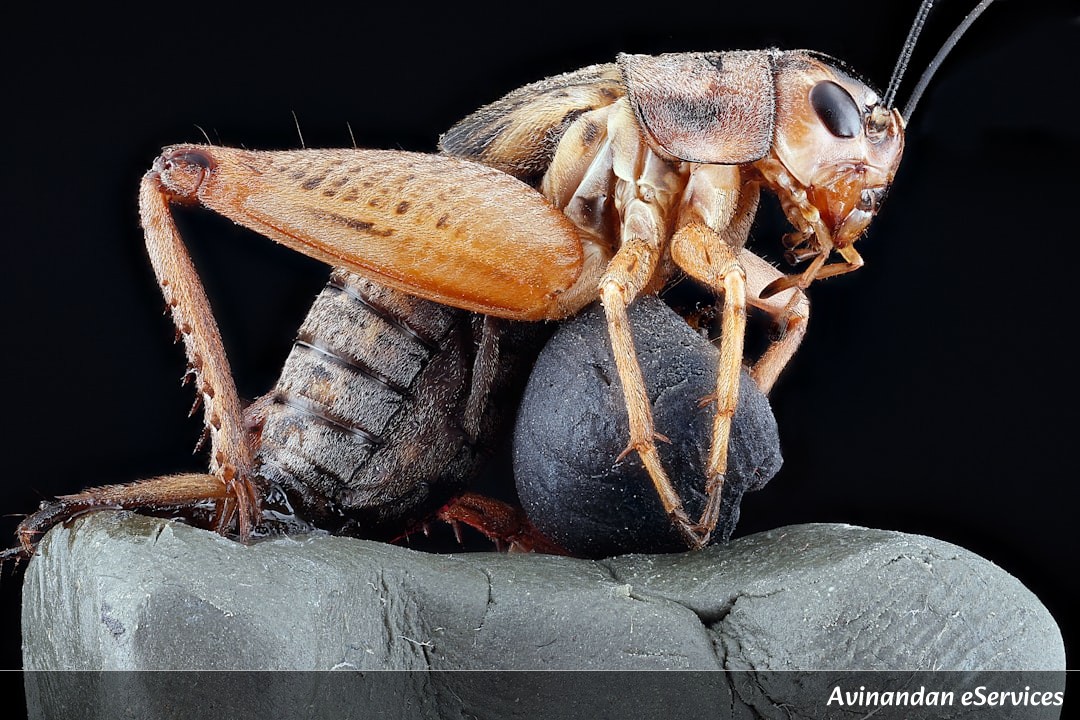
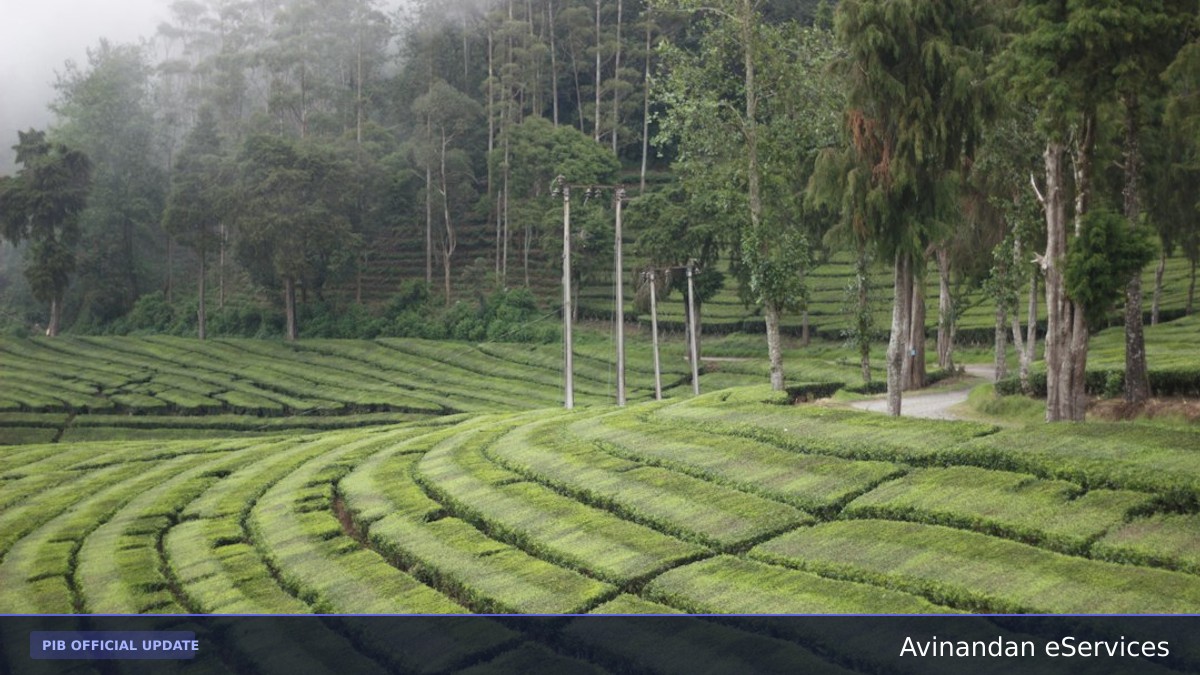
To understand why these specific pesticides were chosen for regulation, one must look at the challenges faced by tea planters. Tea is a perennial crop grown in humid, tropical climates—conditions that are also ideal for pests like thrips, aphids, and jassids. Acetamiprid and Imidacloprid are neonicotinoid insecticides that are highly effective in controlling these pests. Without effective pest management, tea yields can drop by as much as 30-40%, making the industry economically unviable.
FSSAI’s regulation does not ban these substances but rather mandates their responsible use. By providing a clear 20 ppm and 50 ppm benchmark, the regulator is giving tea estates a clear target for their Integrated Pest Management (IPM) strategies.
India’s Low Pesticide Footprint: A Global Perspective
The PIB release highlights a critical but often overlooked fact: India’s average pesticide consumption is among the lowest in the world. At less than 0.5 kg per hectare, India’s usage is a fraction of the global average of 2.38 kg per hectare. In comparison, countries like Brazil, Colombia, and even the United States report significantly higher usage rates.
This low intensity of chemical use provides a unique branding opportunity for "Brand India" in the food sector. By formalizing these low-residue practices into law through the 2026 Amendment Regulations, FSSAI is providing the legal framework to back up India's claims of producing safer, more natural agricultural products.
Impact on Stakeholders: From Growers to Consumers
The notification of these draft amendments triggers a ripple effect across the entire tea value chain:
1. For Tea Growers and Planters
Growers now have a definitive regulatory target. This clarity allows for better planning of spray schedules and the adoption of safer alternatives. It also encourages the use of precision agriculture tools to ensure that pesticide application does not exceed the required dosage.
2. For Testing Laboratories and Enforcement
With specific MRLs defined in the Gazette, food testing laboratories across India can now calibrate their equipment to these precise levels. This ensures consistency in testing results across different states, reducing legal disputes between food businesses and enforcement authorities.
3. For the Export Sector
Indian tea exports, particularly to the EU and North America, have occasionally faced hurdles regarding residue levels. By adopting science-based MRLs that are often stricter than international peers, India is building a "quality-first" reputation that will likely facilitate smoother trade and higher price realizations in the global market.
4. For the Indian Consumer
The ultimate beneficiary is the consumer. Whether it is the morning 'chai' in a rural household or a premium Darjeeling brew in an urban cafe, the assurance that the tea has been vetted against rigorous scientific safety standards enhances public trust in the food ecosystem.
Frequently Asked Questions (FAQs)
What are MRLs and why are they important for tea?
MRLs (Maximum Residue Limits) are the highest levels of pesticide residues legally allowed in food. For tea, they are vital because tea is a concentrated product; these limits ensure that the final beverage is safe for human consumption even after the leaves are processed and brewed.
How does India's pesticide limit for tea compare to the USA and Japan?
India's proposed limit for Acetamiprid in tea is 20 ppm, which is stricter than Japan's 30 ppm and the USA's 50 ppm. This indicates that Indian safety standards for this specific pesticide are among the most stringent in the world.
Does this regulation mean pesticides are being encouraged?
No. The regulation is a safety measure to control and limit the presence of residues. FSSAI has previously delisted 13 high-toxicity pesticides. The current proposal seeks to provide a scientific benchmark for the responsible use of necessary crop-protection chemicals.
When will these new limits come into effect?
The limits are currently in the "draft amendment" stage as of October 2026. They have been published in the Gazette of India to invite stakeholder feedback before being finalized and implemented as law.
Official Source & Verification
This article is grounded on the official press release issued by the Press Information Bureau (PIB), Government of India (Release ID: 2324656, Ministry of Health and Family Welfare). Access the official document: https://pib.gov.in/PressReleasePage.aspx?PRID=2324656&lang=1.