Introduction to the Topic
Welcome to an exciting journey back in time! When we look around our modern cities with tall skyscrapers, busy roads, and complex drainage systems, we often think this is a modern invention. But what if we told you that over 4,700 years ago, people in the Indian subcontinent were living in marvelously planned cities with advanced drainage systems, multi-room brick houses, and bustling trade networks? This chapter, In the Earliest Cities, takes us on a fascinating exploration of the Indus Valley Civilization, famously known as the Harappan Civilization. As students of Class VI History, understanding how these early urban centers evolved gives us a deep appreciation of human ingenuity, architecture, and social organization.
Key Concepts Explained
Let us break down the core themes of this chapter into simple, easy-to-understand concepts that will help you master the topic and ace your examinations.
1. The Story of Harappa
Approximately 150 years ago, railway engineers laying tracks in the Punjab region (present-day Pakistan) stumbled upon brick mounds. They thought it was a quarry of good quality bricks and used thousands of them to build railway lines, destroying many ancient structures in the process. Later, archaeologists realized that these bricks belonged to an ancient city—Harappa, the very first site of this civilization to be discovered. Because many similar sites were found subsequently, archaeologists refer to this entire culture as the Harappan Civilization.
2. Unique Features of Harappan Cities
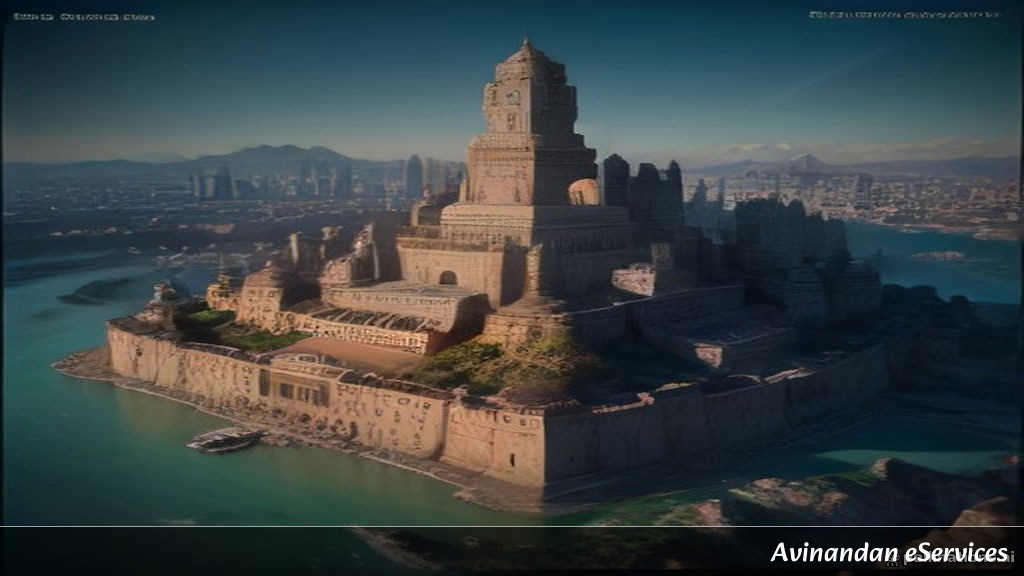
What makes Harappan cities so remarkable is their unique town planning. Many of these cities were divided into two or more parts:
- The Citadel: Usually built on the western side, this part was smaller but higher. Archaeologists believe that special public buildings, important administrative structures, or granaries were constructed here.
- The Lower Town: Built on the eastern side, this was much larger and lower in elevation. This is where ordinary citizens lived, worked, and built their homes.
Another architectural wonder was the Great Bath found in Mohenjodaro. Lined with bricks, coated with tar to make it watertight, and fitted with steps leading down from two sides, it was likely used for special ritual baths by important people.
3. Houses, Drains, and Streets
Urban planning in Harappa was way ahead of its time. Consider the following structural marvels:
- Houses: Most houses were either one or two stories high, with rooms built around a central courtyard. They had separate bathing areas and water supply wells.
- Drainage System: Drains from houses were connected to street drains, which were laid in straight lines with a gentle slope so water could flow freely. Inspection holes were provided at regular intervals to clean them—an early sign of municipal hygiene!
- Roads: Streets were laid out in a grid pattern, intersecting at right angles, dividing the city into rectangular blocks.
4. Life in the City
Life in Harappan cities was busy and specialized. People were engaged in various occupations:
- Rulers and Scribes: Rulers planned the construction of city walls and buildings. Scribes, people who knew how to write, helped prepare seals and probably wrote on materials that have not survived.
- Crafts Persons: Artisans made a variety of things out of stone, shell, and metal—including copper, bronze, gold, and silver. They crafted striking beads, weights, and blades. Terracotta toys were also made for children.
- Farmers and Herders: They lived in the countryside and supplied food to craft persons, scribes, and rulers in the cities. They grew wheat, barley, pulses, peas, rice, sesame, linseed, and mustard.
5. Raw Materials and Trade
Raw materials are substances that are found naturally or produced by farmers and herders. While some raw materials were available locally, many had to be brought from distant places. For instance, copper came from modern-day Rajasthan and even Oman, tin from Afghanistan and Iran, gold from Karnataka, and precious stones from Gujarat, Iran, and Afghanistan. Trade routes connected these cities, facilitating a vibrant exchange of goods and ideas.
6. The Mystery of the End
Around 3,900 years ago, a major change took place. People stopped living in many of these cities. Writing, seals, and weights were no longer used. Raw materials brought from afar became rare. Why did this happen? Scholars suggest several theories, including:
- Rivers drying up or shifting their courses.
- Deforestation and floods leading to the destruction of grazing grounds and fertile soil.
- Rulers losing control or large-scale epidemics.
Whatever the cause, the people moved to newer, smaller settlements to the east and south, marking the end of the urban phase of the Indus Valley Civilization.
Summary & Key Takeaways
To wrap up your learning, here are the essential bullet points you must remember from Chapter 3:
- Harappan Civilization: Flourished around 4,700 years ago in the northwestern part of the Indian subcontinent.
- Urban Design: Cities were smartly divided into the Citadel and the Lower Town, featuring grid-pattern streets.
- Sanitation: Covered drains and advanced brick-built houses show a high awareness of public hygiene and engineering.
- Economy: A mix of urban craftspeople, traders, scribes, and rural farmers/herders sustained the civilization.
- Decline: Around 3,900 years ago, cities began to decline due to environmental changes, drying rivers, or administrative collapses.