Introduction: A Moment in Time
Imagine a world where the air is constantly thick with the acrid stench of cordite, where the ground beneath your feet trembles ceaselessly from artillery fire, and where the sky is choked with smoke. For more than four agonizing years, this was the grim reality for millions of soldiers locked in the mechanized slaughter of the First World War. Then, on a crisp autumn morning in 1918, a profound transformation occurred. At precisely 11:00 a.m. on November 11th, the guns fell silent. It was an eerie, weeping silence—a sudden cessation of violence that marked the end of the hostilities of World War I and forever altered the geopolitical landscape of human history.
The Build-Up: What Led to This Day?
To understand the immense weight of November 11th, one must look back at the precipice over which Europe had tumbled in July 1914. What was initially billed as a localized Balkan crisis blossomed into a global catastrophe. Pitting the Allied Powers against the Central Powers, the conflict chewed through entire generations. By 1918, the war had devolved into an exhausting test of attrition, further accelerated by the entry of the United States in 1917.
By the autumn of 1918, the Central Powers were crumbling from within. The German army faced catastrophic manpower shortages, dwindling supplies, and a collapsing home front plagued by starvation and civil unrest. Following the failure of the massive Spring Offensive and the relentless pressure of the Allied 'Hundred Days' campaign, the German high command realized the war was lost. In late October, political upheaval swept Germany; by November 9th, Kaiser Wilhelm II abdicated, and a fledgling German republic was hastily declared, eager to sue for peace.
The Event Itself
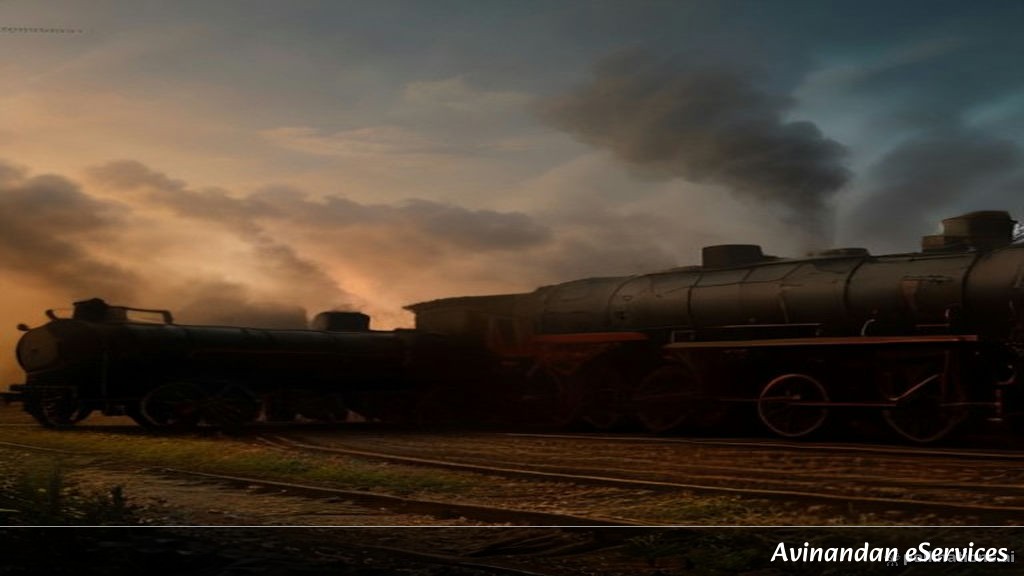
Under the cover of secrecy and desperate urgency, a German delegation led by civilian politician Matthias Erzberger crossed the front lines to meet with the Supreme Allied Commander, French Marshal Ferdinand Foch. The meeting took place not in a grand palace, but inside a private railway carriage nestled deep in the Forest of Compiègne in France.
Foch offered terms that were uncompromising and absolute: immediate cessation of hostilities, the evacuation of all occupied territories, the surrender of massive quantities of military hardware, and the maintenance of a naval blockade against Germany. With few options left, the agreement was inked around 5:00 a.m. on the morning of November 11th.
To ensure that troops scattered across vast front lines could receive the message without instant telecommunication networks, it was decided that the ceasefire would take effect precisely at the eleventh hour of the eleventh day of the eleventh month. Those intervening six hours between the signing and the ceasefire saw some of the most tragic and needless losses of the entire conflict, as commanders pushed for final territorial gains and soldiers fell mere minutes before the peace. Yet, when the clock finally struck 11:00 a.m., a surreal quiet washed over the trenches. Soldiers tentatively climbed out of the mud, staring across no-man's-land in disbelief, weeping, cheering, and finally tasting peace.
The Aftermath and Legacy
The immediate aftermath of the armistice brought scenes of ecstatic jubilation across the capitals of the world—from London and Paris to New York and Toronto. Citizens poured into the streets, waving flags and celebrating the survival of their loved ones. Yet, the underlying cost was staggering: over 20 million military and civilian casualties.
"At the eleventh hour on the eleventh day of the eleventh month—we will remember them." — Traditional Remembrance sentiment
While the armistice stopped the bloodshed, it was only a preliminary ceasefire; the formal peace was later codified in the punishing Treaty of Versailles in 1919. The economic and territorial penalties imposed on Germany during these negotiations would inadvertently sow the bitter seeds for an even greater global conflict two decades later. Nevertheless, November 11th transcended its political origins to become a sacred institution. Initially commemorated as Armistice Day by nations wishing never to repeat the horrors of 'the war to end all wars,' it evolved into Veterans Day in the United States and Remembrance Day across the British Commonwealth, ensuring that the sacrifices of that generation would never be forgotten.
References
- Encyclopædia Britannica. "November 11: Armistice Day and World War I." Retrieved from Britannica.com.
- The Imperial War Museums. "What You Need to Know About the 1918 Armistice." Retrieved from iwm.org.uk.
- Library of Congress. "Today in History - November 11: The Armistice." Retrieved from loc.gov.
- History.com Editors. "World War I Armistice." A&E Television Networks.