Aarav: Ananya, look at this cool deep-sea book! It says there are special marine worms that eat whale bones without having any teeth at all. How is that even possible?
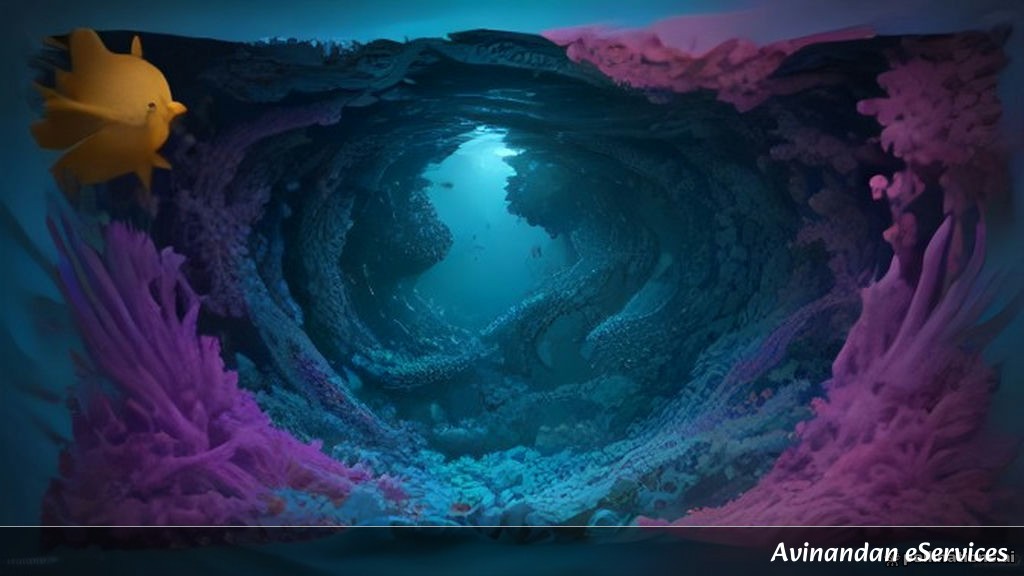
Ananya: That is super fascinating, Aarav! Those are commonly known as "zombie worms" or scientifically as Osedax. They live deep down on the ocean floor where it is pitch black!
Aarav: Wow, how does that work if they do not have teeth to bite into the hard bones? Do they just swallow the bones whole?
Ananya: Not quite! Since they lack mouths and teeth, these clever worms grow special root-like structures that creep all over the bone surface. These roots release powerful acid to dissolve the hard minerals.
Aarav: Acid?! That sounds like something right out of a superhero comic book! Does the acid melt the bone completely?
Ananya: Exactly! Once the acid breaks down the hard outer layers, the worm uses symbiotic bacteria living inside its body to digest the fats and proteins hidden deep within the bone marrow. It is a brilliant teamwork trick in nature!
Aarav: That is incredible. But wait, how do baby zombie worms find a whale bone to eat in the huge ocean? It is not like whale falls happen every day in the same spot!
Ananya: That is the most amazing part of the mystery, Aarav. The females release tiny microscopic larvae that float around the ocean like little parachutes until they sense chemical signals from a dead whale. And get this: the even tinier male larvae actually live inside the female like microscopic helpers!
Aarav: Whoa, nature is wild! I am definitely going to tell all my friends about these bone-eating ocean wizards.
So, What Did We Learn Today?
- Zombie Worms (Osedax): Unique deep-sea creatures that feed on bones resting on the dark ocean floor.
- No Teeth Needed: They secrete special acid through root-like organs to dissolve hard bone material.
- Symbiotic Help: They rely on internal bacteria to break down fats and oils found inside the bones.
- Surviving the Depths: Their floating larvae can travel vast ocean distances to find rare food sources.
Aarav: I am never looking at a whale skeleton the same way again. Science is the best adventure ever!