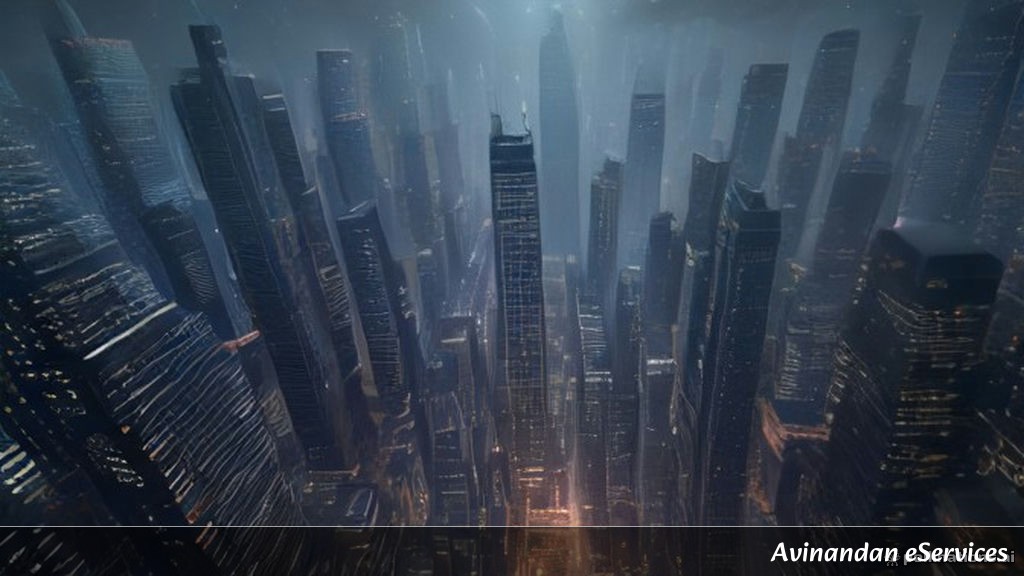
Samir: Phew! Isha, it is so hot today! Even with the fan on full speed, I feel like I am melting. I was just looking at photos of giant skyscrapers and wondering how people keep huge glass buildings cool without spending a fortune on electricity.
Isha: Actually, Samir, human architects learned a brilliant cooling trick from some of the tiniest engineers on Earth! Believe it or not, certain blind insects build mud skyscrapers with built-in, zero-electricity air conditioning.
Samir: Wait, insects build air-conditioned skyscrapers? Are you teasing me? Which insects can do that?
Isha: I am completely serious! They are called Macrotermes, or mound-building termites, and they live across Africa's savannas. Although each termite is smaller than your pinky fingernail, millions of them team up to build towering mud mounds up to nine meters tall—higher than a two-story house!
Samir: Nine meters tall? Relative to their size, that is like us building a tower into the clouds! Do all the termites live inside that mud tower?
Isha: You are right about the scale—it is like humans building a two-kilometer-high skyscraper! Surprisingly, though, most termites do not live inside the tall tower. Their real city lies safely underground beneath it. The giant mud tower is actually a massive ventilation machine—a giant lung and air conditioner for their underground home.
Samir: Whoa! Why do they need an air conditioner? Doesn't dirt stay cool underground anyway?
Isha: Normally yes, but a termite colony is like a crowded metropolis. Millions of termites live down there, and they are tiny farmers! They gather dead grass and wood to grow a special white fungus inside underground garden chambers, then eat the fungus for food. Imagine millions of breathing termites plus growing fungus trapped underground. They produce huge amounts of heat and carbon dioxide gas. Without fresh air, the nest would overheat and everyone—including their food farm—would suffocate.
Samir: Termites are underground fungus farmers? That is wild! So how does the mud tower cool them down? Do they flap their wings like tiny fans?
Isha: Haha, not quite! Worker termites do not even have wings, and they are blind. Instead, they use pure physics! Inside, a mound is packed with porous tunnels, tiny vents, and a wide central chimney. Remember how warm air rises and cool air sinks? Scientists call that convection. The mound uses daily temperature changes between day and night to power its airflow, breathing in and out once every twenty-four hours.
Samir: How do day and night make a mud tower breathe? Tell me step by step!
Isha: Picture a blazing afternoon when outside temperatures soar past forty degrees Celsius. Because the mound's outer walls are thin, air in the outer tunnels heats up fast and rises, pulling stale, warm air from the underground nest while cooler air sinks down the shaded central chimney. Then, when chilly night falls, the process flips! The outer walls cool down quickly, so cool air sinks down the outside channels and pushes warm nest air straight up the central chimney and out the top.
Samir: That is genius! What if the weather changes? Can termites adjust their air conditioner like turning a dial?
Isha: Yes! Worker termites act like living thermostats. Whenever their underground chambers get too hot, too cold, or too dry, they scurry up into the mound to chew open new tiny pores in the mud or plaster old ones shut with wet soil. By constantly remodeling those vents, they keep their nest steady at thirty degrees Celsius—even when outside weather swings from freezing nights to blistering days!
Samir: Tiny blind bugs figured out passive cooling millions of years before electric fans! How did scientists even discover what was going on inside those rock-hard mud towers?
Isha: Scientists actually placed tiny airflow sensors inside the mounds and even poured liquid plaster into abandoned ones to map every hidden tunnel! Once they saw the clever design, people realized we could learn from it. In the 1990s, architect Mick Pearce designed a huge office and shopping complex called the Eastgate Centre in Harare, Zimbabwe. Since Harare gets very hot and standard air conditioning wastes tons of energy, Pearce studied local termite mounds! He built Eastgate with thick concrete that absorbs daytime heat from people and computers, then used night vents to flush all that trapped heat out through rooftop chimneys.
Samir: Did it actually work?
Isha: Brilliantly! The Eastgate Centre uses far less electricity than regular buildings, saving millions of dollars and reducing pollution. Scientists call this biomimicry—copying nature's smartest inventions to solve human problems and design greener cities.
So, What Did We Learn Today?
Isha: What an adventure into insect architecture! Here is why termite mounds are one of nature's greatest engineering wonders:
- Mud Skyscrapers: Macrotermes termites build mud towers up to nine meters tall to ventilate their underground cities and fungus farms.
- Day-and-Night Breathing: Porous tunnels and a central chimney use natural convection—warm air rising and cool air sinking—powered by daily temperature swings.
- Living Thermostats: Worker termites open and seal tiny mud vents to hold their nest steady at thirty degrees Celsius.
- Biomimicry in Action: Architects copied termite mounds to build eco-friendly buildings like Zimbabwe's Eastgate Centre, keeping people cool with far less electricity.
Samir: Next time I see a tiny insect, I will never underestimate it! Who knew blind mud-builders could teach us how to save energy and beat the heat? Now, if only they could help me build a cool mud fort in my backyard!