Introduction
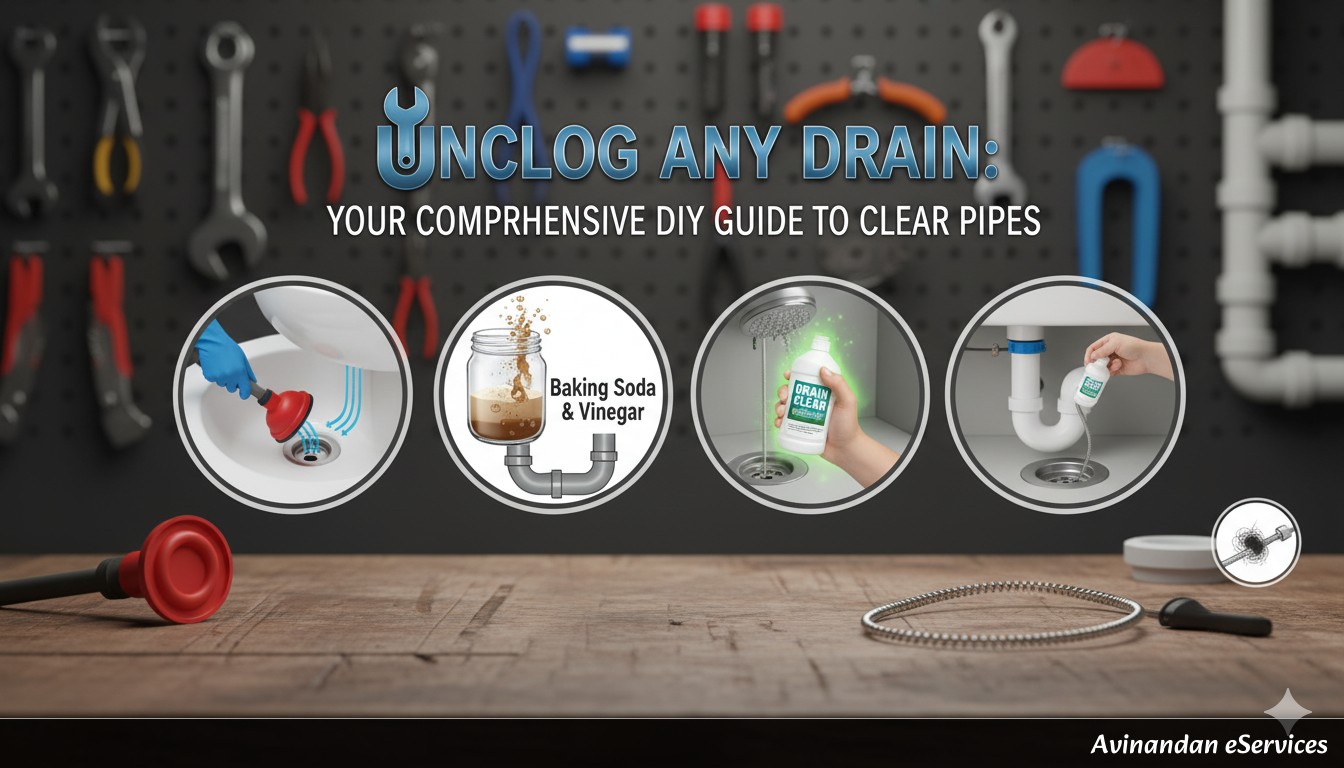
A clogged drain is a common, frustrating household nuisance that can disrupt your daily routine and, if left unaddressed, lead to more significant plumbing problems. From slow-draining sinks to standing water in showers, blockages are inevitable. The good news is that many clogs can be resolved with simple tools and household ingredients, saving you the expense and wait of a professional plumber. This comprehensive guide will empower you with accurate, safe, and effective methods to tackle most drain clogs, transforming you into a drain-clearing hero in your own home. We'll walk you through natural remedies, mechanical solutions, and essential prevention tips to keep your pipes flowing freely.
Materials and Tools Needed
Before you begin, gather the necessary items. Having everything on hand will make the process smoother and more efficient.
- For Minor Clogs (Boiling Water & Natural Solutions):
- Large pot or kettle
- Baking soda (sodium bicarbonate)
- White vinegar or apple cider vinegar
- Table salt (optional, for some natural mixtures)
- Drain stopper or cloth
- Bucket or bowl (to remove standing water)
- For Mechanical Clogs (Plunger & Drain Snake):
- Plunger (cup plunger for sinks/tubs, flanged plunger for toilets)
- Rubber gloves
- Old towels or rags
- Screwdriver (for removing drain covers)
- Drain snake (also known as a plumber's snake or auger)
- Needle-nose pliers or bent wire hanger (for visible hair clogs)
- Bucket
Step-by-Step Guide
We'll start with the least invasive methods and progress to more robust solutions for stubborn clogs.
Step 1: The Boiling Water Flush (For Minor Grease & Soap Clogs)
This is often the simplest and first method to try, especially for kitchen or shower drains with soap scum or grease buildup.
- Clear Standing Water: If there's standing water, remove as much as possible using a bowl or bucket.
- Heat Water: Boil a large pot or kettle of water.
- Pour Slowly: Carefully and slowly pour the hot water directly down the drain. Pouring slowly helps the hot water work on the clog rather than just running over it.
- Wait and Repeat: Allow the water to sit for a few minutes. If the clog is minor, you might hear gurgling or see the water begin to drain. Repeat the process two or three times if necessary.
Important Note: Avoid using boiling water on plastic PVC pipes or porcelain sinks if unsure of their heat resistance, as \textreme heat can cause damage or warping.
Step 2: The Plunger Power (For Many Common Clogs)
A plunger uses suction and pressure to dislodge blockages and is effective for many types of clogs in sinks, tubs, and toilets.
- Prepare the Area: Put on rubber gloves. If you have a double sink, seal off the other drain with a wet cloth or a stopper to create maximum suction. For bathroom sinks with an overflow hole, cover it tightly with a wet cloth.
- Add Water: Ensure there's enough water in the sink or tub to cover the rubber cup of the plunger completely. If not, add some.
- Position the Plunger: Place the plunger firmly over the drain, ensuring a tight seal around the entire opening. You can apply a thin layer of petroleum jelly to the rim of the plunger for a better seal.
- Plunge Vigorously: Push down gently to release trapped air, then pump the plunger up and down vigorously for 15-30 seconds, maintaining the seal. The goal is to create suction and pressure to break up or dislodge the clog, not necessarily force it down.
- Check and Repeat: Quickly pull the plunger off the drain and observe if the water drains. If it's draining slowly or not at all, repeat the plunging process.
Step 3: The Baking Soda & Vinegar Fizz (For Organic Buildup)
This natural remedy creates a chemical reaction that can help break down grease, soap scum, and hair clogs.
- Remove Standing Water: As with the boiling water method, remove any standing water from the sink or tub.
- Pour Baking Soda: Pour ½ to 1 cup of baking soda down the drain. If using a funnel, ensure all baking soda goes down.
- Add Vinegar: Immediately follow with ½ to 1 cup of white vinegar (or apple cider vinegar).
- Cover the Drain: Quickly cover the drain with a stopper or wet cloth to contain the chemical reaction's fizzing action. This helps direct the pressure downward onto the clog.
- Wait: Let the mixture sit for at least 30 minutes to an hour. Some recommend letting it sit overnight for tougher clogs.
- Flush: Remove the cover and slowly pour a pot of hot (not boiling) water down the drain to flush away the loosened debris.
- Repeat if Needed: If the drain is still slow, you can repeat this process.
Caution: While generally safe, some sources suggest that blocking the drain too tightly after pouring in the mixture might create excessive pressure in thin PVC pipes, potentially causing damage. It's generally more effective for minor clogs rather than complete blockages.
Step 4: The Drain Snake Rescue (For Stubborn, Deep Clogs)
When plungers and natural remedies fail, a drain snake (or auger) is your next best bet for clearing deep, stubborn clogs, especially those caused by hair.
- Prepare the Area: Lay down old towels or a bucket to catch any water or debris. Put on sturdy rubber gloves and safety goggles.
- Remove Drain Cover: Unscrew or pry off the drain cover or stopper to gain access to the pipe. For some sinks, you might need to remove the P-trap (the U-shaped pipe under the sink) for better access to the clog.
- Insert the Snake: Slowly feed the auger tip of the drain snake into the drain opening. As you push, gently turn the crank handle clockwise. Avoid forcing it, as this can damage pipes.
- Reach the Clog: Continue feeding and rotating until you feel resistance, indicating you've hit the clog.
- Break Up or Hook the Clog: Once you feel the clog, rotate the snake vigorously to either break up the blockage or hook onto it. Move it up, down, and back and forth. If you feel the clog breaking up or the snake moving freely, you've likely cleared it.
- Retract and Clean: Slowly and carefully pull the snake back out of the drain, cleaning off any debris attached to it with an old rag. Dispose of the debris in the trash.
- Flush and Test: Once the snake is fully removed, run hot water down the drain for several minutes to flush away any remaining debris and confirm the clog is gone.
Tips for Success / Common Mistakes to Avoid
- Identify the Clog Type: Hair and soap scum are common in bathrooms, while grease and food particles often clog kitchen sinks. Knowing the culprit can help you choose the best method.
- Don't Mix Chemicals: Never mix different chemical drain cleaners, or chemical cleaners with natural solutions. This can create dangerous fumes and exacerbate pipe damage.
- Avoid Over-Tightening Drain Snake: When using a drain snake, avoid applying excessive force, which can scratch, dent, or even puncture pipes.
- Patience is Key: For natural remedies, allow sufficient time for the reaction to work. For plunging and snaking, persistent but careful effort is often required.
- Clean Your Tools: Always clean your plunger and drain snake thoroughly after use to prevent the spread of germs and maintain tool longevity.
- Preventative Maintenance is Best:
- Use Drain Screens: Place strainers or screens over all drains (kitchen, bathroom, shower) to catch hair, food scraps, and debris before they enter your pipes.
- Proper Grease Disposal: Never pour cooking grease or oil down the drain. It solidifies in pipes and causes significant clogs. Instead, collect it in an old can and dispose of it in the trash.
- Mind Your Garbage Disposal: Avoid putting fibrous foods (celery, potato peels), coffee grounds, or eggshells down the disposal. Run cold water before, during, and after use.
- Regular Hot Water Flushes: Pouring hot water (not boiling) down kitchen drains weekly can help melt away minor grease buildup.
- Baking Soda and Vinegar for Maintenance: A monthly or bi-weekly flush with baking soda and vinegar can help keep drains clear and fresh.
- Clean Drain Stoppers: Regularly remove and clean drain stoppers in sinks and tubs, as they accumulate hair and soap scum.
- When to Call a Professional: If multiple methods fail, if you suspect a clog deep in your main sewer line, if you have recurring clogs, or if you hear gurgling from multiple drains, it’s time to call a licensed plumber. These could be signs of a more serious issue like a broken pipe or tree root intrusion.
Safety First!
Working with drains and plumbing tools involves potential risks. Always prioritize safety.
- Personal Protective Equipment (PPE): Always wear sturdy rubber gloves to protect your hands from dirty water, bacteria, and potential contact with drain contents. Safety goggles are highly recommended to protect your eyes from splashes, especially when plunging or working under a sink.
- Boiling Water Caution: Exercise \textreme care when handling boiling water to prevent burns. Pour slowly and steadily to avoid splashing. As mentioned, avoid truly boiling water on plastic pipes.
- Chemical Drain Cleaners: While this guide focuses on safer alternatives, if you *must* use a chemical drain cleaner (not recommended for frequent use due to pipe damage and environmental concerns), follow the manufacturer's instructions meticulously. Ensure adequate ventilation, wear heavy-duty gloves and eye protection, and never mix different products. Chemical cleaners can cause severe burns, respiratory issues, and can corrode pipes.
- Drain Snake Handling: Be cautious when \textending and retracting the drain snake. The metal cable can be sharp, and rapid movements can cause injury. Avoid letting the snake kink excessively.
- Electrical Safety: If you are working near a sink with a garbage disposal, ensure the power is OFF at the circuit breaker before reaching into the drain or trap.
- Ventilation: When dealing with any strong odors from drains, ensure the area is well-ventilated to avoid inhaling unpleasant or potentially harmful fumes.