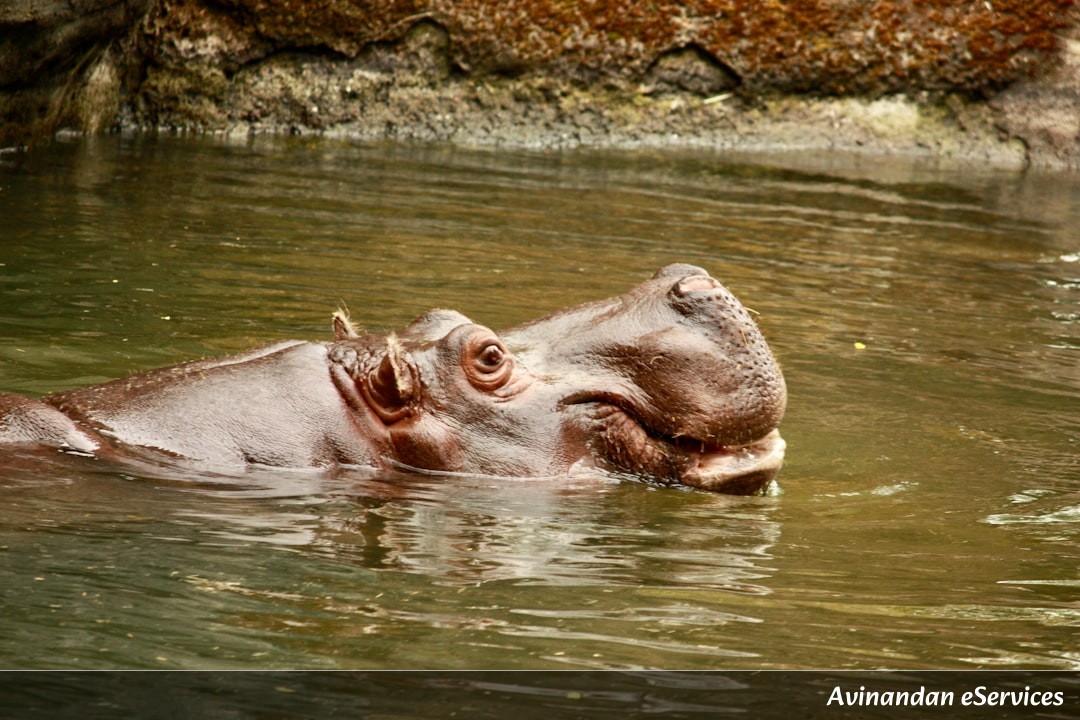
Samir: Mira! I just saw the craziest video online. It was this huge hippopotamus, and it looked like it was sweating blood! It was all reddish and shiny. Is that real? Are hippos always bleeding from their skin? It looked so scary!
Mira: Oh, I think I know what you saw, Samir! Don't worry, the hippo wasn't hurt. It's a super common mistake people make. What you saw isn't blood at all. It's actually one of the most amazing natural substances in the entire animal kingdom!
Samir: Phew! That's a relief. But if it’s not blood, what is it? And why is it RED? It really looked like blood.
Mira: People call it “blood sweat,” but it's technically not sweat either. It’s a special, thick, oily liquid that comes out of glands in the hippo's skin. When it first comes out, it's actually colorless and gooey. But after a few minutes in the sun, it starts to turn a bright reddish-pink, and then eventually a muddy brown.
Samir: So it’s a color-changing goo? That’s weird! But… why? What does it do?
Mira: It does two incredibly important things! First and foremost, it's the hippo's very own, built-in, all-natural sunscreen!
Samir: No way! A hippo makes its own sunscreen? How does that even work? We have to use that white lotion from a bottle.
Mira: Exactly! Hippos spend a lot of time in the water, but they also come out to bask in the hot African sun. Even with their thick skin, they can get sunburned, just like us. So, their body produces this special secretion. Inside this goo are two very special chemicals—scientists call them acids. One is reddish and called ‘hipposudoric acid,’ and the other is orange and called ‘norhipposudoric acid.’
Samir: Hippo-sudo-what now? Those are some seriously long words!
Mira: (Laughs) They are! Let’s just call them the ‘red acid’ and the ‘orange acid.’ These two pigments are amazing because they absorb the dangerous ultraviolet, or UV, rays from the sun. It's like the hippo is covering itself in a shield that stops the sunlight from burning its skin. The way the tiny molecules in the red and orange acids are shaped allows them to catch the UV light before it can do any damage.
Samir: That is so cool! It’s like their skin has a superpower. So that’s why it’s red—because of the special acid? But you said it does two things. What’s the other amazing thing?
Mira: I'm glad you remembered! This might be even cooler than the sunscreen part. The secretion is also a powerful antiseptic.
Samir: Antiseptic? You mean like the stuff Mom puts on a cut to keep it from getting infected?
Mira: Precisely! Hippos can be very aggressive, and the male hippos often fight with each other using their huge tusks. They can get some really big and nasty wounds. Now, imagine having a big open cut while you’re swimming around in muddy river water, which is full of germs and bacteria. You’d get an infection for sure, right?
Samir: Yeah, that sounds like a terrible idea!
Mira: Well, the hippo's red sweat prevents that! The red acid, hipposudoric acid, is so powerful that it stops many types of bad bacteria from growing. So when a hippo gets a cut, its own sweat covers the wound and acts like a natural antibiotic ointment, keeping it clean and helping it heal. It’s a sunscreen and a first-aid cream all in one!
Samir: Wow. My mind is blown. A hippo has its own personal pharmacy right on its skin! It makes color-changing, sun-blocking, bacteria-fighting goo. Nature is so much smarter than I thought.
Mira: It really is! Scientists are actually studying this substance very closely. They’re trying to understand exactly how it works because maybe, just maybe, we could learn from it to create better sunscreens or new kinds of antibiotics for humans. The hippo might be holding the secret to some amazing new inventions!
Samir: So the scary video I saw was actually a video of a hippo being super smart and healthy. It was putting on its sunscreen and cleaning its cuts. That makes so much more sense.
Mira: Exactly! It’s a perfect example of how animals have adapted in amazing ways to survive in their environment. The hippo found a solution for the sun and for injuries all in one slimy, red package.
So, What Did We Learn Today?
- Hippos secrete a special substance often called “blood sweat,” but it is neither blood nor sweat.
- This secretion starts clear, turns red-orange in the sun, and then brown.
- It acts as a powerful natural sunscreen, using special pigments (hipposudoric and norhipposudoric acids) to absorb harmful UV rays.
- The red pigment also works as an antiseptic, preventing infections by stopping the growth of harmful bacteria in wounds.
- This incredible substance is a 2-in-1 tool that helps hippos survive the hot sun and heal from injuries in germ-filled water.
Samir: I'll never call it scary again. From now on, I’m calling it ‘super-goo!’ Hippos are even cooler than I thought!