Vikram: Mira, you have to see this! I’m reading a nature blog, and it says there’s a real lizard with bright green blood. Not dark green, but like, glowing, lime-green! That can’t be true, right? I thought all animals with backbones had red blood. Our science teacher said it’s red because of the iron in our hemoglobin.
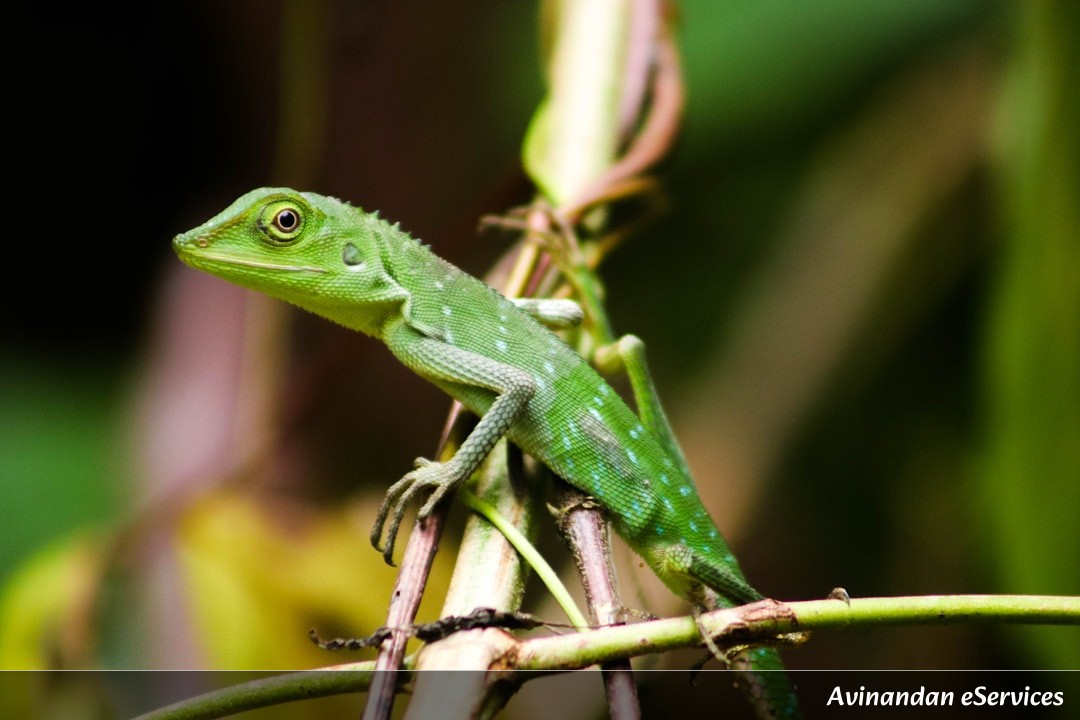
Mira: That’s a great point, Vikram! For almost all vertebrates, that’s absolutely true. But you found one of the weirdest and most wonderful exceptions in the entire animal kingdom! You're probably reading about a group of lizards called Prasinohaema skinks, which live on the island of New Guinea. They are famous for having the greenest blood of any animal on Earth. And it’s not just a little green—it’s super, super green!
Vikram: Whoa! So their blood doesn't have hemoglobin or iron? How do they carry oxygen? And why is it green? Is it because of something they eat, like how flamingos turn pink from eating shrimp?
Mira: Excellent questions! They do have hemoglobin and red blood cells, just like we do. But their blood is so packed with another chemical that it completely overpowers the red color. That chemical is a waste product called biliverdin. And unlike the flamingo, it has nothing to do with their diet; it's all about how their bodies work differently from ours.
Vikram: Biliverdin? That sounds complicated. What is it?
Mira: It's actually something we have in our bodies, too, just in very tiny amounts. Think of your liver as a super-efficient recycling plant. One of its jobs is to break down old, worn-out red blood cells. When it does that, it creates a green pigment called biliverdin. In our bodies, the liver quickly converts that green biliverdin into a yellowish pigment called bilirubin. The body then works hard to flush all that waste out. If it builds up, it’s a sign of a disease like jaundice, and it can be very dangerous.
Vikram: So these lizards are just… full of waste? That sounds awful! If it’s dangerous for us, how can they survive with so much of it that their entire blood turns green? Shouldn't they be incredibly sick?
Mira: That is the exact question that has fascinated scientists for decades! The concentration of biliverdin in these skinks is more than 40 times higher than the toxic level for a human. For any other creature, it would be lethal. But these skinks have evolved to not only tolerate it but to thrive with it. Scientists are still figuring out the exact ‘how,’ but they have a strong theory about the ‘why.’
Vikram: A theory? Like a superpower theory?
Mira: Exactly like that! The leading idea is that this massive amount of toxic green bile acts as a defense mechanism. It might protect the lizards from parasites and diseases that are common in their habitat, like a specific type of malaria that infects reptiles. The toxins in their blood could kill the parasites. Another idea is that it makes the lizards taste absolutely terrible, so predators like birds or snakes will spit them out and learn to avoid them. They’ve turned their body’s waste into a life-saving shield!
Vikram: So it’s not just their blood that’s green? If a snake bit one, would its mouth be filled with green stuff?
Mira: Yes! And it’s even cooler than that. The biliverdin stains everything inside them. Their muscles are green, their bones are green, and even their tongue and the lining of their mouth are a vibrant shade of green. From the outside, they might just look like a regular brownish lizard, but on the inside, they are completely, shockingly green. What's amazing is that scientists have found that this trait evolved independently in at least four different skink family lines in New Guinea. This suggests that having green blood must provide a really powerful advantage for survival there.
So, What Did We Learn Today?
Mira: Let's break down what makes these green-blooded lizards so special.
- A group of lizards in New Guinea called Prasinohaema skinks have bright, lime-green blood.
- Their blood is green because of \textremely high levels of a waste product called biliverdin, which is a green pigment made from old red blood cells.
- These levels of biliverdin would be toxic and deadly for most other animals, including humans.
- Scientists believe these lizards evolved this trait as a defense mechanism, possibly to protect them from diseases like malaria or to make them taste bad to predators.
- It’s not just their blood! The pigment stains their muscles, bones, and even their tongue, making them green on the inside.
Vikram: That's incredible! So a chemical that our bodies treat like dangerous garbage is a life-saving superpower for them. The animal world is so much weirder and cooler than I ever imagined!