Aarav: Isha, look at that bird over there! It’s been hammering its head against that mango tree for the last ten minutes. Thwack-thwack-thwack! It sounds like a jackhammer. Doesn’t it get a massive headache? If I did that just once, I’d be in the hospital!
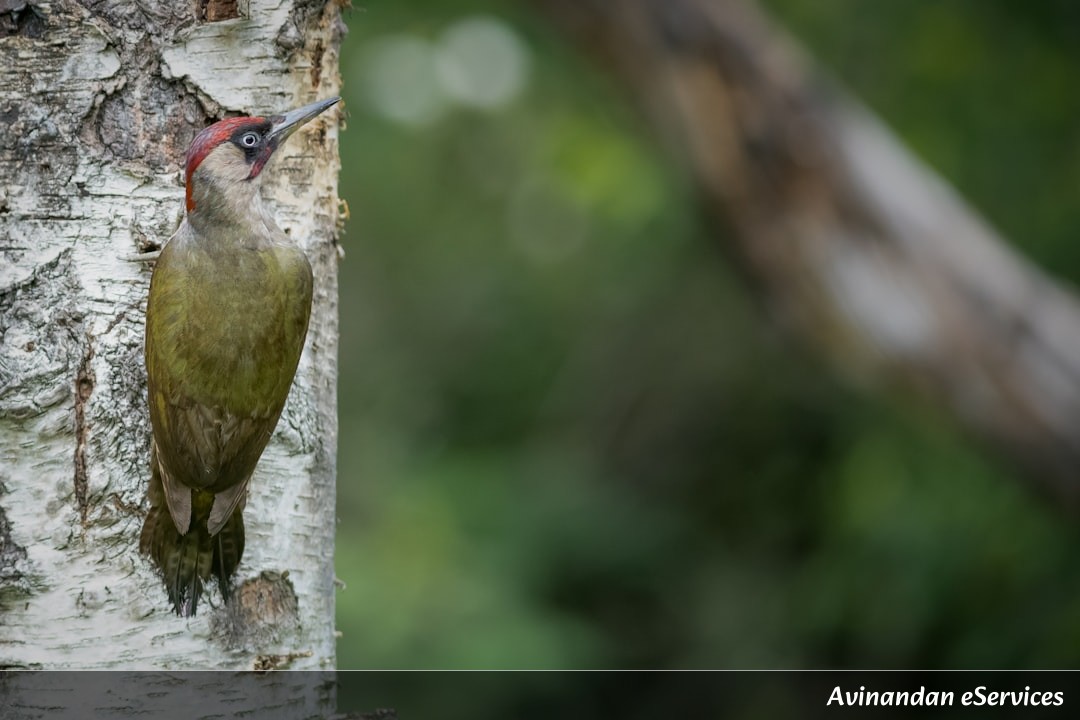
Isha: That’s a Flameback Woodpecker, Aarav! And you’re right to be worried—for a human, that kind of impact would cause a serious concussion or worse. But for a woodpecker, it’s just another Tuesday. They are biologically engineered to be the world’s most efficient shock absorbers.
Aarav: I don’t get it. I mean, I’ve seen them do it before, but when you really think about the physics, it’s crazy. How fast are they actually hitting the tree?
Isha: It’s faster than you think. A woodpecker can peck up to 20 times per second. When its beak hits the wood, it experiences a deceleration of about 1,200 g. To put that in perspective, a human pilot starts to pass out at just 9 or 10 g. This bird is surviving forces over a hundred times greater than what would knock a human unconscious!
Aarav: 1,200 g?! Their brains should be turning into strawberry jam! What is keeping their heads from exploding?
Isha: It’s not just one thing; it’s a combination of four incredible anatomical features. The most famous one involves their tongue. Have you ever seen how long a woodpecker’s tongue is?
Aarav: I’ve seen photos where they stick them out to catch bugs, but it doesn't look like a helmet.
Isha: Well, it actually acts like a seatbelt. Instead of just sitting in the mouth, the woodpecker’s tongue is attached to a bone called the hyoid bone. This bone starts at the beak, goes under the jaw, loops all the way around the back of the skull, and actually meets at the forehead between the eyes. When the woodpecker pecks, this long, elastic structure acts like a safety harness, holding the brain in place and distributing the shock around the skull instead of letting it go straight into the brain.
Aarav: Wait, so the bird’s tongue is literally wrapped around its own brain? That is the coolest—and weirdest—thing I’ve ever heard. Is that the only thing protecting them?
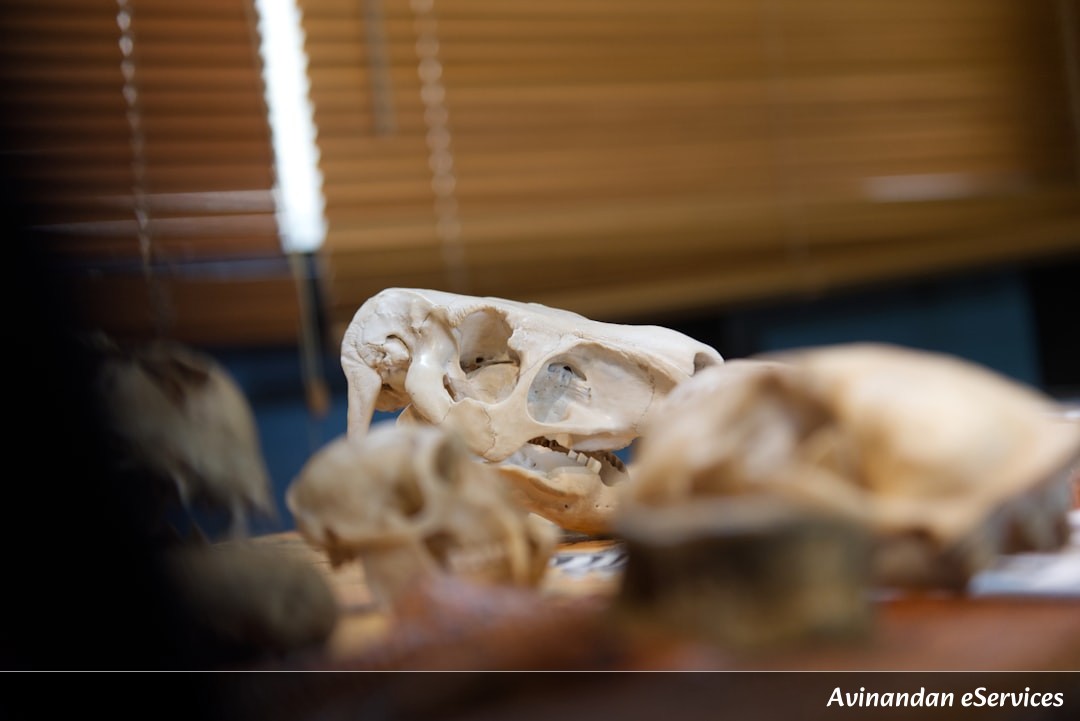
Isha: Not at all! Their skull is another masterpiece of nature. Most birds have skulls made of hard, thin bone. But a woodpecker’s skull is made of 'spongy' bone, especially at the front and back. It’s like the bird has built-in bubble wrap inside its head. This bone is very porous, which allows it to compress slightly and soak up the vibration before it reaches the delicate brain tissue.
Aarav: Okay, so they have a tongue seatbelt and a bubble-wrap skull. But what about their eyes? If I hit something that hard, I feel like my eyes would just pop out of my head from the pressure.
Isha: You’ve got a great instinct for physics, Aarav! Scientists actually wondered the same thing. They used high-speed cameras and found that woodpeckers have a 'third eyelid' called a nictitating membrane. A millisecond before the beak hits the wood, this membrane closes over the eye. It holds the eye firmly in place so it doesn’t pop out, and it also protects the eye from flying wood chips. It’s basically a pair of high-speed safety goggles.
Aarav: This bird is basically a living, breathing construction worker. But what about the beak itself? If the beak is hard enough to break wood, wouldn’t it send all that vibration straight back into the face?
Isha: That’s the fourth secret! The woodpecker’s upper and lower beak are actually slightly different lengths. This tiny 'overbite' or offset means that the force of the impact doesn't hit the skull symmetrically. Instead of a direct jolt, the force is diverted downwards toward the lower jaw and the neck muscles, which are incredibly strong and thick to handle the strain.
Aarav: It’s amazing how much engineering is packed into such a tiny bird. Does this mean humans are trying to copy them? You always tell me about 'biomimicry' where we steal ideas from nature.
Isha: Exactly! Engineers are studying woodpecker skulls to design better football helmets, bike helmets, and even black box flight recorders for airplanes. By understanding how the woodpecker layers its protection—the hard beak, the spongy bone, and the elastic hyoid—we can make things that survive huge crashes without breaking.
Aarav: So, the next time I see a woodpecker, I shouldn't feel sorry for its head. I should be taking notes for my next science project!
Isha: Precisely! It’s not just about being tough; it’s about being smart with how you handle energy. Now, do you want to hear about how they use their tails as a tripod to stay balanced?
Aarav: A tripod tail too? These birds are basically Swiss Army knives with wings!
So, What Did We Learn Today?
- Extreme Physics: Woodpeckers peck up to 20 times per second, enduring forces of 1,200 g—over 100 times what would cause a human to lose consciousness.
- The Tongue Seatbelt: The woodpecker’s hyoid bone (tongue bone) wraps around the entire back of the skull, acting as a safety harness for the brain.
- Spongy Bone Protection: Their skulls are made of porous, spongy bone that acts like a shock absorber to soak up vibrations.
- Safety Goggles: A special third eyelid closes right before impact to keep the eyes from popping out and to shield them from wood debris.
- Biomimicry: Scientists use the woodpecker’s anatomy as inspiration to create safer helmets and more durable technology for humans.
Aarav: It's incredible that a bird can teach us so much about safety and engineering just by looking for its lunch!