The journey of rural sanitation in India has transitioned from a persistent national development challenge into a sweeping, people-driven mass movement. Released as a comprehensive backgrounder by the Press Information Bureau (PIB) in September 2026, the data underscores a monumental paradigm shift: India has successfully moved from building basic household toilets to establishing robust, village-level waste management systems, cementing public hygiene as a way of life.
Key Highlights & Major Announcements
- Remarkable Coverage: Sanitation coverage leaped from 39 percent in 2014 to 100 percent by 2019, with over 10.28 crore toilets constructed across 36 states and union territories.
- ODF Plus Milestone: As of 17 September 2026, India has attained 5.69 lakh ODF Plus villages, of which an impressive 5.25 lakh have achieved ODF Plus Model status.
- Waste Management Infrastructure: 5.38 lakh villages have established solid waste management arrangements, and 5.65 lakh villages now possess functional liquid waste management systems.
- GOBARdhan Initiative: A total of 1,314 GOBARdhan biogas plants are currently operational across 582 districts, alongside 98,273 household-level biogas plants.
- Behavior Change Communication (BCC): SBM-G Phase II places community habits, safe disposal, and regular hygiene practices at the forefront of sustaining sanitation outcomes.
From Building Toilets to Building Habits: The Evolution of SBM-G
When the Swachh Bharat Mission (SBM) was launched in 2014, the immediate priority was addressing widespread open defecation and providing dignified, accessible household sanitation. By 2019, rural India was declared Open Defecation Free (ODF). However, the ultimate test of any public infrastructure lies in its long-term sustainability and cultural integration. This realization birthed the Swachh Bharat Mission-Gramin (SBM-G) Phase II.
Phase II shifts the strategic focus from merely constructing toilets to comprehensive Solid and Liquid Waste Management (SLWM) and sustaining ODF achievements. Villages are now progressively classified into three distinct categories:
- Aspiring Villages: Communities that successfully manage either solid or liquid waste.
- Rising Villages: Communities equipped to manage both solid and liquid waste streams.
- Model Villages: Advanced communities that manage both waste streams, maintain exemplary visual cleanliness, and prominently display ODF Plus messaging.
“A toilet becomes meaningful when households choose to use, maintain and sustain it. Similarly, effective waste management begins with decisions and practices within individual households.” — PIB Backgrounder, SBM-G
GOBARdhan: Converting Waste into Wealth
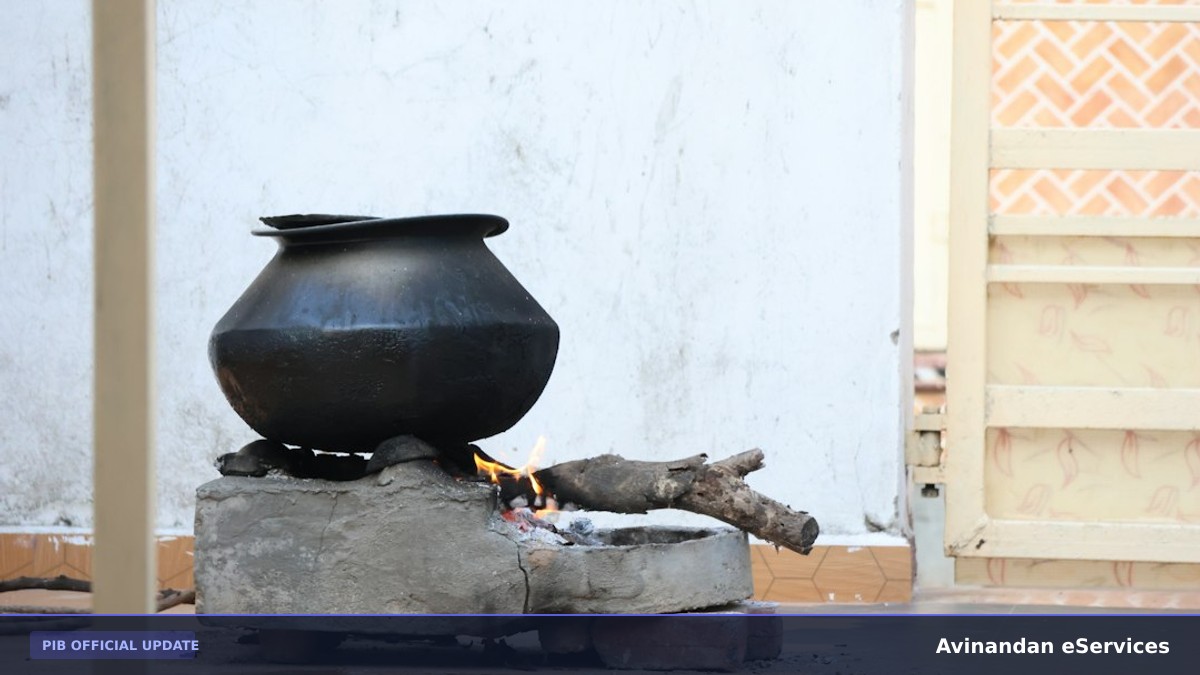
A cornerstone of SBM-G Phase II is the GOBARdhan (Galvanizing Organic Bio-Agro Resources Dhan) initiative. Operating as a flagship umbrella scheme, GOBARdhan tackles the dual challenge of organic waste management and renewable energy generation. By converting cattle dung, agricultural crop residue, and other organic waste into biogas, compressed bio-gas (CBG), and organic manure or bio-slurry, the initiative fosters a circular rural economy. With 1,314 centralized and community-level biogas plants operational across 582 districts, alongside nearly 98,000 household-level plants, rural India is actively turning environmental liabilities into economic assets.
When Women Became Agents of Change
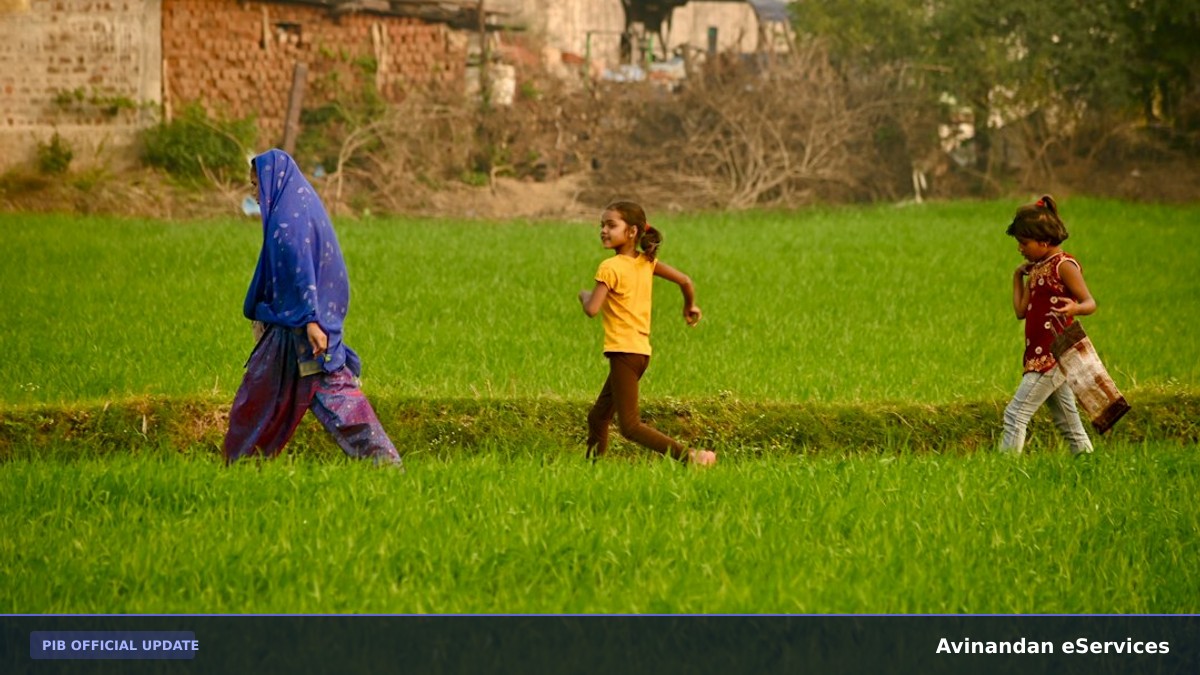
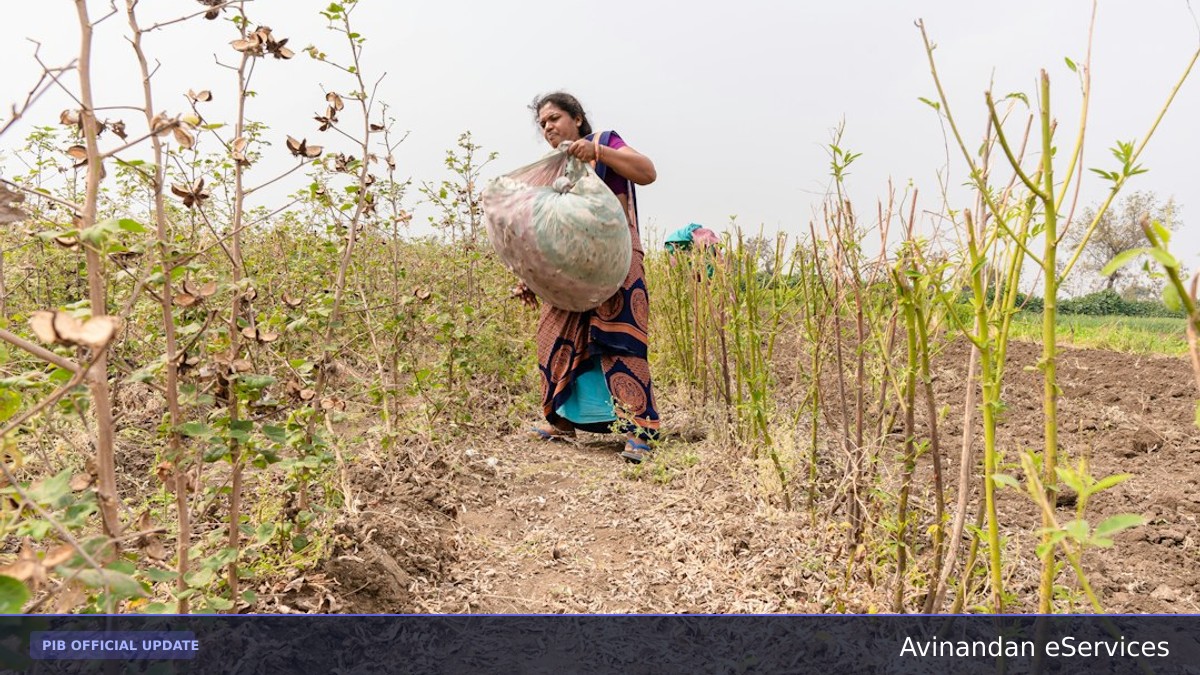
The success of the Swachhata movement is inextricably linked to the leadership and active participation of women. Historically, lack of adequate sanitation disproportionately impacted women’s privacy, safety, dignity, and health. Under SBM-G, women transitioned from mere beneficiaries to primary architects of social change.
Guidelines under SBM-G prioritize women as Swachhagrahis, working alongside Deendayal Antyodaya Yojana-National Rural Livelihoods Mission (DAY-NRLM) Self-Help Groups (SHGs). These collectives drive door-to-door outreach, awareness campaigns, and cleanliness verification.
Real-world examples highlight this empowerment across states:
- Howrah, West Bengal: SHGs spearheaded a massive plastic removal campaign across 18 Ganga-adjacent gram panchayats, collecting 9.32 tonnes of plastic waste within 18 days and institutionalizing a regular collection network.
- Gorakhpur, Uttar Pradesh: Women manage a Resource Recovery Centre, segregating household waste to convert wet waste into vermicompost and channeling dry waste for sale, securing steady wages.
- Bhopal, Madhya Pradesh: A Cluster Level Federation operates a Material Recovery Facility, transforming waste management into a viable commercial enterprise.
Significance & National Impact
The evolution of SBM-G transcends environmental cleanliness; it touches public health, gender equality, and rural economic development. By institutionalizing hygiene practices in schools and leveraging grassroots women leaders, the movement ensures generational behavioral change. The integration of advanced waste management with circular economy models like GOBARdhan proves that large-scale public welfare programs can successfully blend ecological sustainability with economic self-reliance.
Frequently Asked Questions (FAQs)
1. What is the difference between SBM-G Phase I and Phase II?
Phase I primarily focused on constructing household and community toilets to eliminate open defecation, achieving 100% sanitation coverage by 2019. Phase II focuses on sustaining ODF status and implementing comprehensive Solid and Liquid Waste Management (SLWM) systems across all villages.
2. What are ODF Plus Model villages?
ODF Plus Model villages are communities that successfully manage both solid and liquid waste, maintain high standards of visual cleanliness, and display prominent ODF Plus awareness messaging.
3. What is the role of GOBARdhan under SBM-G?
GOBARdhan converts cattle dung, agricultural crop residue, and organic waste into biogas, compressed bio-gas (CBG), and organic manure, promoting clean energy and circular waste management in rural areas.
4. How are women contributing to the Swachhata movement?
Women serve as Swachhagrahis, lead SHG-driven waste management enterprises, manage Resource Recovery Centres, and drive grassroots behavioral change campaigns.
Official Source & Verification
This article is grounded on the official press release issued by the Press Information Bureau (PIB), Government of India (Release ID: 2312635, PIB Backgrounder). Access the official document: https://pib.gov.in/PressReleasePage.aspx?PRID=2312635&lang=1.