In a massive coordinated nationwide crackdown on illicit drug trafficking, the Directorate of Revenue Intelligence (DRI) has successfully intercepted and seized over 845 kilograms of narcotic drugs and psychotropic substances. Operating under the apex anti-smuggling agency of the Ministry of Finance, Government of India, DRI officials executed multiple intelligence-led raids across various states, leading to the arrest of 15 individuals under the stringent provisions of the Narcotic Drugs and Psychotropic Substances (NDPS) Act, 1985. These synchronized operations highlight India's unwavering resolve to dismantle transnational drug syndicates, disrupt organized supply chains, and curb the proliferation of illegal substances within the country.
Key Highlights & Major Announcements
- Total Contraband Seized: Over 845 kg of illicit narcotics and psychotropic substances, including ganja, charas, cocaine, and amphetamine.
- Arrests Made: 15 individuals apprehended across multiple states and transit hubs under the NDPS Act, 1985.
- Cross-Border Interceptions: Successful operations targeting international smuggling routes from Nepal, Thailand, Vietnam, and West Asia.
- Innovative Concealment Detection: Smugglers' creative tactics—ranging from knee caps under sarees and rice husk packing to baby powder bottles and salwar suit sets—successfully neutralized by DRI intelligence.
- Coordinated Multi-Agency Effort: Operations executed in collaboration with local forest departments, railway protection authorities, and international customs units.
Decoding the Multi-State Operations: A Tactical Breakdown
The recent wave of seizures underscores the sophisticated intelligence network operated by the DRI. Drug traffickers frequently employ unconventional routes and innovative concealment methods to bypass law enforcement. However, meticulous intelligence gathering and real-time inter-agency coordination have repeatedly thwarted these attempts.
Charas and Cannabis Interceptions: From Nepal Borders to Transit Hubs
On September 20, 2026, acting on specific intelligence regarding the cross-border smuggling of Charas and Hashish originating from Nepal, DRI officers intercepted two female passengers aboard the Jan Nayak Express at Gorakhpur Railway Station. A thorough personal search revealed approximately 6 kg of high-grade Charas ingeniously concealed inside knee caps wrapped tightly around their thighs and hidden beneath their sarees. Both individuals were promptly taken into custody under the NDPS Act.
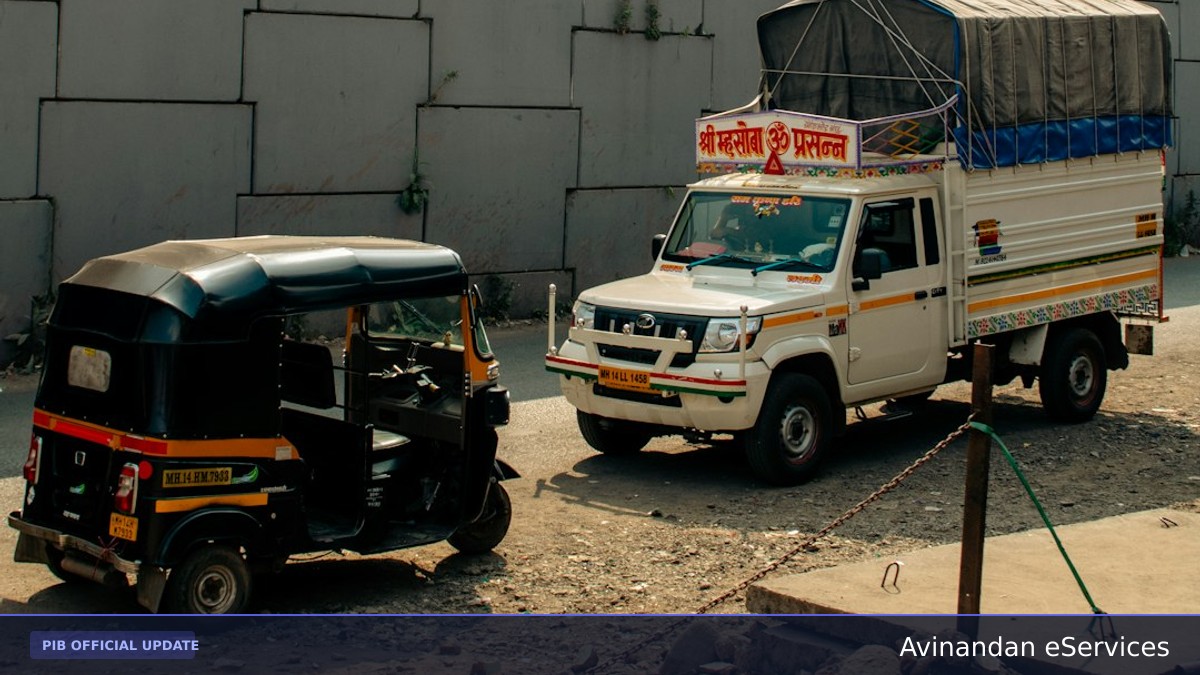
In separate, much larger operations targeting bulk cannabis movement, DRI officials recovered approximately 801 kg of cannabis. On September 17, 2026, an intelligence-led operation near the Jindapur Toll Plaza in Bodh Gaya led to the interception of a container truck. A meticulous search of the vehicle unearthed roughly 752.3 kg of ganja packed securely into 737 packets and camouflaged within layers of rice husk. Similarly, on September 11, 2026, the DRI—working in close coordination with the Ghariyaband Forest Department—intercepted two individuals in Mentri village, Odisha, seizing 48.5 kg of Ganja packed across sacks along with their transportation scooter.
Furthermore, international airports have emerged as critical monitoring zones. Intelligence shared by the DRI enabled Customs authorities at the Mumbai and Bengaluru international airports to intercept four passengers arriving from Thailand and Vietnam. Approximately 28 kg of high-grade cannabis and hydroponic weed was confiscated, resulting in four immediate arrests.
Hard Drugs and Synthetic Narcotics: Cocaine and Amphetamines
Beyond traditional cannabis, the DRI crackdown focused heavily on synthetic drugs and high-value narcotics entering through aviation hubs. At the Indira Gandhi International (IGI) Airport in New Delhi, DRI officers intercepted an Indian passenger arriving from Dubai via Doha on September 15, 2026. Examination of his checked baggage yielded about 5.8 kg of a white-colored powder distributed across nine packets, which field-tested positive for Cocaine.
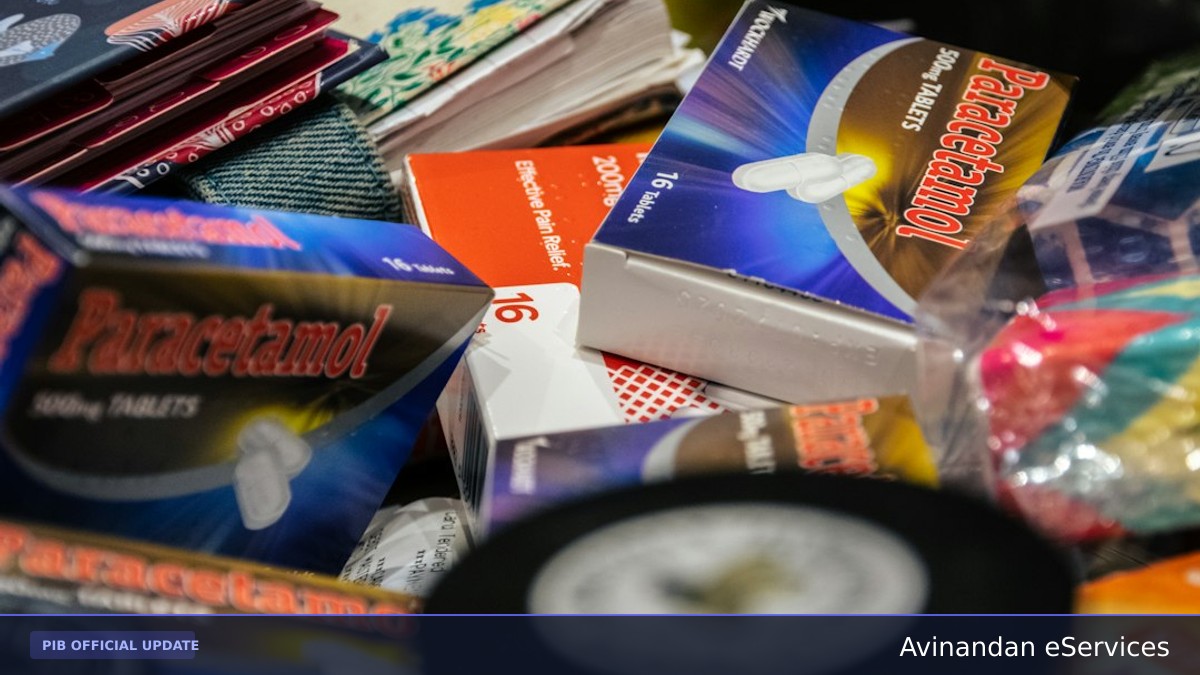
Amphetamine-type stimulants (ATS) also formed a major target of the recent raids. A series of operations led to the cumulative seizure of roughly 4.5 kg of amphetamines and the arrest of five individuals:
- Mumbai (16.09.2026): An Indian female passenger traveling from Delhi was intercepted with nearly 493 grams of pills concealed inside bottles labeled as baby powder, which tested positive for Amphetamine and Ecstasy.
- Calicut Airport (09.09.2026): Approximately 1.9 kg of amphetamine was recovered from a passenger's baggage, followed by a subsequent raid that netted an additional 17 grams and ₹3.45 lakh in cash from local receivers and organizers.
- Indore (09.09.2026): DRI teams intercepted a bus passenger traveling from Delhi and recovered about 2 kg of amphetamine cleverly hidden inside salwar suit sets.
"These operations underscore DRI's continued focus on disrupting organised drug-trafficking networks, intercepting narcotic consignments at different stages of their movement and detecting innovative methods of concealment." — Directorate of Revenue Intelligence (DRI)
Significance & National Impact
Illicit drug trafficking poses a severe multi-dimensional threat to India's national security, public health, and socio-economic fabric. The financial proceeds from transnational narcotics smuggling often fuel criminal syndicates, underground economies, and anti-social activities. By systematically dismantling supply chains at entry points—ranging from remote forest trails and railway networks to major international airports—the DRI plays a vital frontline role in safeguarding the nation's youth and economy.
The success of these multi-state operations highlights the growing efficacy of intelligence sharing between domestic enforcement agencies, forest departments, airport customs, and international counterparts. As drug syndicates continuously evolve their concealment techniques, the proactive approach of agencies like the DRI ensures that law enforcement remains a step ahead of organized criminal enterprises.
Frequently Asked Questions (FAQs)
1. What is the Directorate of Revenue Intelligence (DRI)?
The Directorate of Revenue Intelligence is India's apex anti-smuggling intelligence agency, functioning under the Central Board of Indirect Taxes and Customs (CBIC), Ministry of Finance. It is tasked with curbing the smuggling of contraband, illicit drugs, gold, and commercial fraud.
2. Which law governs the seizure of narcotics and arrests in these operations?
All seizures and arrests executed during these operations were carried out under the stringent provisions of the Narcotic Drugs and Psychotropic Substances (NDPS) Act, 1985.
3. What types of drugs were primarily recovered in this nationwide crackdown?
The recent crackdown resulted in the seizure of over 845 kg of illegal substances, including ganja (cannabis), charas (hashish), hydroponic weed, high-grade cocaine, and amphetamine-type stimulants (ATS).
4. How are agencies countering innovative concealment methods used by smugglers?
Law enforcement relies on advanced intelligence gathering, passenger profiling, inter-agency coordination between forest, railway, and customs departments, and technological screening tools to detect hidden narcotics in luggage, clothing, and commercial cargo.
Official Source & Verification
This article is grounded on the official press release issued by the Press Information Bureau (PIB), Government of India (Release ID: 2313185, Ministry of Finance). Access the official document: https://pib.gov.in/PressReleasePage.aspx?PRID=2313185&lang=1.