The National Zoological Park (NZP) in New Delhi marked World Rhino Day 2026 with a comprehensive series of educational and awareness programmes dedicated to rhinoceros conservation. Organized under the aegis of the Ministry of Environment, Forest and Climate Change, the initiative aimed to foster deeper public and school engagement in wildlife protection, biodiversity preservation, and ecological stewardship.
As part of its expanding school outreach strategy, the Zoo hosted its inaugural orientation programme specifically tailored for eco-club in-charge teachers. The event witnessed active participation from educators representing 12 prominent schools across Delhi. Leadership from the National Zoological Park interacted directly with the teaching faculty, emphasizing the critical need to bridge formal classroom learning with practical, immersive environmental education through structured institutional collaboration.
Key Highlights & Major Announcements
- First Eco-Club Orientation: NZP successfully hosted its maiden orientation programme for eco-club in-charge teachers from 12 Delhi schools to boost environmental education.
- Curriculum & Citizen Science: Teachers were familiarized with the Zoo's nature-based educational activities, citizen science initiatives, and structured school outreach modules.
- Interactive Public Outreach: A special doodle activity and public awareness talk were organized at the Zoo's exit gate to educate visitors on rhino ecology and conservation challenges.
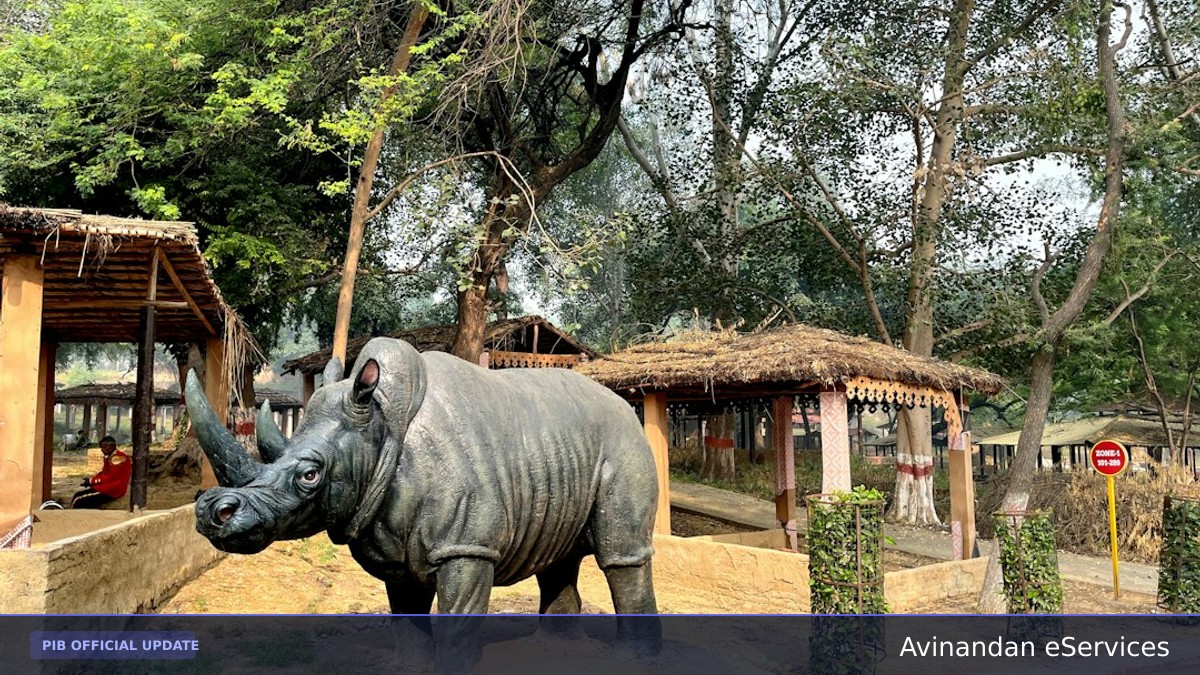
- Keepers' Talk at Enclosure: Zoo keepers hosted an exclusive session at the rhino enclosure, offering visitors insights into the daily care, behavior, and scientific management of the park's resident female rhinoceros, Anjuha.
- Ministry Backing: The initiative operates under the policy framework of the Ministry of Environment, Forest and Climate Change, highlighting national commitment to wildlife protection.
Strengthening School Outreach and Environmental Education
Modern wildlife conservation relies heavily on community education and grassroots mobilization. Recognizing this, the National Zoological Park has intensified its outreach framework to engage young minds proactively. The orientation session for eco-club teachers serves as a vital strategic milestone. By equipping educators with specialized knowledge regarding the Zoo's environmental education initiatives, the administration aims to cascade conservation values directly into school curricula and \textracurricular calendars.
During the interactive sessions, participating teachers were introduced to nature-based educational activities and citizen science frameworks that students can actively participate in. The program envisions sustained school participation in upcoming workshops, awareness drives, and competitive events organized on significant environmental calendar dates. This institutional synergy ensures that students do not merely learn about conservation in abstract terms but witness living biodiversity firsthand.
"Strengthening collaboration between the Zoo and schools is paramount for effective environmental education, fostering a culture of active conservation awareness among the younger generation." — National Zoological Park Administration
Engaging the Public: Keepers' Talks and Interactive Activities
Beyond formal academic partnerships, the World Rhino Day 2026 celebrations placed a heavy emphasis on direct visitor engagement. At the Zoo's exit gate, staff members conducted engaging public awareness talks complemented by creative doodle activities. These sessions demystified the ecological significance of rhinoceros, outlined their fragile conservation status, and detailed the persistent challenges wild populations face globally, such as habitat loss and poaching pressures.
A major highlight of the day was the specialized keepers' talk organized directly at the rhinoceros enclosure. Zoo keepers shared firsthand experiences regarding rhino behavior, specialized dietary habits, routine health monitoring, and scientific management protocols practiced at the National Zoological Park. Visitors were given a rare glimpse into the life of Anjuha, the solitary adult female rhinoceros currently housed at the Delhi Zoo. Such experiential interactions help build empathy and a personal connection between visitors and captive wildlife ambassadors.
Significance & National Impact
India holds a crucial position in global rhinoceros conservation, particularly regarding the Greater One-Horned Rhinoceros. While national attention often focuses on sanctuaries in Assam and North-East India, urban zoological parks play an equally vital role as centers of public education and wildlife advocacy. Initiatives like the NZP's eco-club orientation translate national environmental policies into actionable, community-level programs.
By empowering educators and engaging urban youth, institutions like the National Zoological Park cultivate a scientifically literate and environmentally conscious citizenry. This long-term educational investment directly supports India's broader biodiversity targets, ensuring that future generations remain committed to protecting vulnerable wildlife species and preserving fragile ecosystems.
Frequently Asked Questions (FAQs)
What was the primary objective of World Rhino Day 2026 celebrations at Delhi Zoo?
The primary objective was to promote rhinoceros conservation, strengthen public and school engagement in wildlife protection, and launch the Zoo's first eco-club teachers' orientation programme.
How many schools participated in the eco-club teachers' orientation?
Teachers from 12 schools across Delhi participated in the inaugural orientation programme organized by the National Zoological Park.
What is the name of the rhinoceros currently housed at the National Zoological Park, New Delhi?
The National Zoological Park currently houses one adult female rhinoceros named Anjuha.
Which ministry oversees the operations of the National Zoological Park?
The National Zoological Park operates under the administrative control of the Ministry of Environment, Forest and Climate Change, Government of India.
Official Source & Verification
This article is grounded on the official press release issued by the Press Information Bureau (PIB), Government of India (Release ID: 2313685, Ministry of Environment, Forest and Climate Change). Access the official document: https://pib.gov.in/PressReleasePage.aspx?PRID=2313685&lang=1.