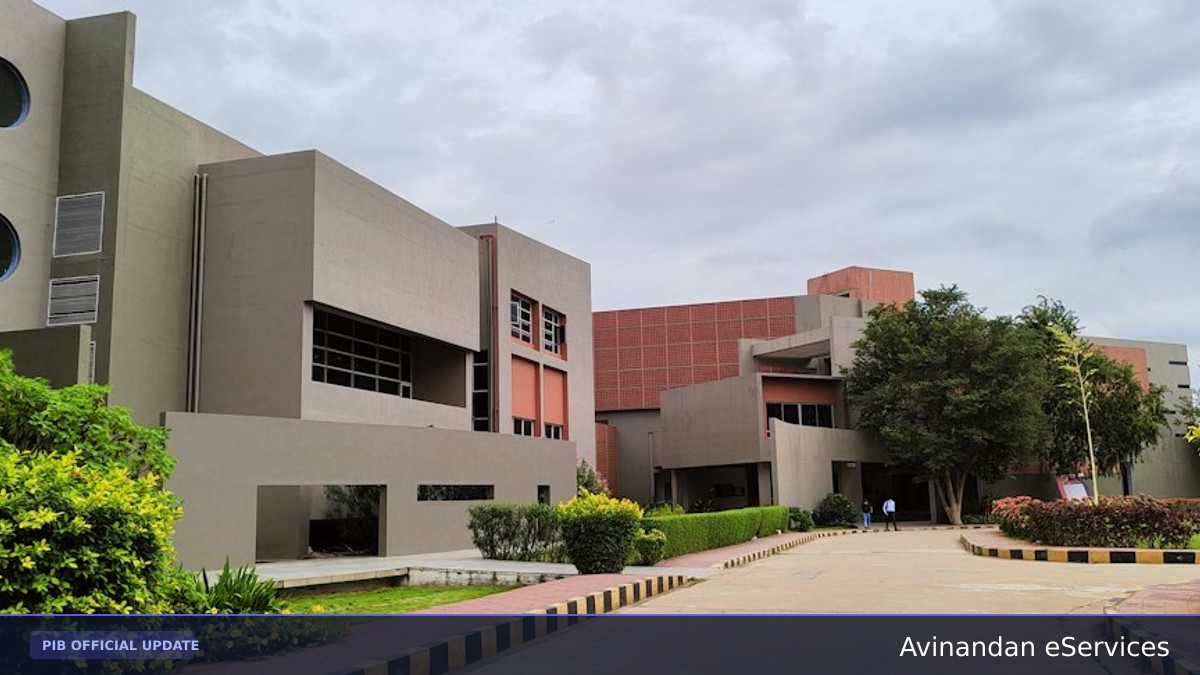
The 9th Molecular Virology Meeting (MVM 2026) officially concluded on 18th September 2026 at the BRIC–National Institute of Immunology (BRIC–NII) in New Delhi. The high-profile national gathering successfully brought together approximately 200 eminent clinicians, leading researchers, and promising students from across India. Organized to deliberate on critical emerging questions in viral biology, the summit focused heavily on translating fundamental virology research into advanced vaccines, actionable therapeutics, cutting-edge diagnostics, and robust public-health capabilities.
Key Highlights & Major Announcements
- Event Timeline & Venue: Concluded on September 18, 2026, hosted at BRIC–National Institute of Immunology (BRIC–NII), New Delhi.
- Participation: Convened around 200 virologists, clinicians, researchers, and PhD scholars from across the nation.
- Collaborative Support: Co-supported by the International Centre for Genetic Engineering and Biotechnology (ICGEB) and the Regional Centre for Biotechnology (RCB).
- Keynote Address: Delivered by Dr. Naveen Kumar, Director, ICMR–National Institute of Virology (NIV), Pune, focusing on host factors governing viral infections.
- Strategic Focus: Alignment with the government's BioE3 Policy, advancing platform technologies, and driving India toward the vision of Viksit Bharat.
Contextual Analysis: Evolution and Continuity of MVM
Initiated back in 2009, the Molecular Virology Meeting has systematically evolved into the premier annual forum for India's dedicated virology community. It serves as a vital bridge, connecting scientists working across the entire continuum of viral science—spanning molecular mechanisms of viral infection, intricate host–virus interactions, viral pathogenesis, immunity, and complex viral evolution and immune evasion.
The 2026 edition, hosted by BRIC–NII with vital support from ICGEB and RCB, provided a robust multidisciplinary platform. Researchers from diverse institutions exchanged ground-breaking findings, mapped out emerging research directions, and formulated collaborative strategies to accelerate the translation of laboratory discoveries into tangible technologies and scalable solutions for national public health.
Diverse Viral Systems and Translational Focus
The scientific program featured comprehensive research across a wide spectrum of viral systems of public health concern, including influenza, dengue, chikungunya, HIV, hepatitis E, West Nile virus, coronaviruses, and respiratory syncytial virus (RSV). Technical sessions meticulously examined viral entry and replication, host immune regulation, viral adaptation, and the molecular underpinnings of pathogenesis.
A central pillar of MVM 2026 was the dedicated session on Translational Virology: Vaccines & Therapeutics. This segment showcased pioneering work on novel antiviral therapeutics, breakthrough antibody discovery, and theranostics, tightly integrated with ongoing surveillance of viral evolution and regional epidemiology.
Bridging Research with Policy: The BioE3 Framework
Moving beyond individual institutional research programs, MVM 2026 critically evaluated how India can construct an impregnable national virology innovation and health preparedness ecosystem. A major highlight was the high-level panel discussion titled “Future of Virology Research and its Contribution in BioE3 Policy: Advancing Towards Viksit Bharat.”
Moderated expertly by Dr. Nimesh Gupta from BRIC-NII, the panel featured stalwarts including Dr. Naveen Kumar (ICMR-NIV), Prof. Saumitra Das (IISc), Dr. Sudhanshu Vrati (RCB), Prof. Sanjeev Galande (Shiv Nadar University), and Dr. Subeer Mazumdar (Sun Pharma Science Foundation).
As a student, being part of MVM 2026 was a valuable learning experience. It was inspiring to hear leading virologists discuss diverse areas of virus biology and also gave us an opportunity to interact with researchers from across the country. Being involved in organising the meeting made the experience even more meaningful, as we got to see first-hand how scientific ideas, discussions and collaborations come together to create a vibrant research community. — Bhavya Ahuja, PhD Scholar, BRIC-NII
Significance & National Impact
The strategic deliberations at MVM 2026 directly address critical national health imperatives. By bridging basic science and industrial scale-up, the meeting reinforces India's self-reliance (Atmanirbhar Bharat) in biomanufacturing and health security. The integration of academic excellence with the BioE3 (Biotechnology for Economy, Environment and Employment) policy framework ensures that foundational viral research yields practical countermeasures against emerging infectious threats, thereby protecting millions and steering the nation toward sustainable economic and public health growth.
Frequently Asked Questions (FAQs)
What was the primary objective of the 9th Molecular Virology Meeting (MVM 2026)?
The primary objective was to bring together India's virology community to discuss emerging questions in viral biology and accelerate the translation of research findings into practical vaccines, therapeutics, diagnostics, and public-health capabilities.
Who hosted and supported MVM 2026?
MVM 2026 was hosted by the BRIC–National Institute of Immunology (BRIC–NII) in New Delhi, with active support from the International Centre for Genetic Engineering and Biotechnology (ICGEB) and the Regional Centre for Biotechnology (RCB).
How does MVM 2026 contribute to the Viksit Bharat vision?
Through strategic panel discussions aligned with the BioE3 Policy, the meeting outlined pathways to strengthen academia-industry-government partnerships, build platform technologies, and enhance India's viral disease surveillance and health security infrastructure.
Official Source & Verification
This article is grounded on the official press release issued by the Press Information Bureau (PIB), Government of India (Release ID: 2313504, Ministry of Science & Technology). Access the official document: https://pib.gov.in/PressReleasePage.aspx?PRID=2313504&lang=1.