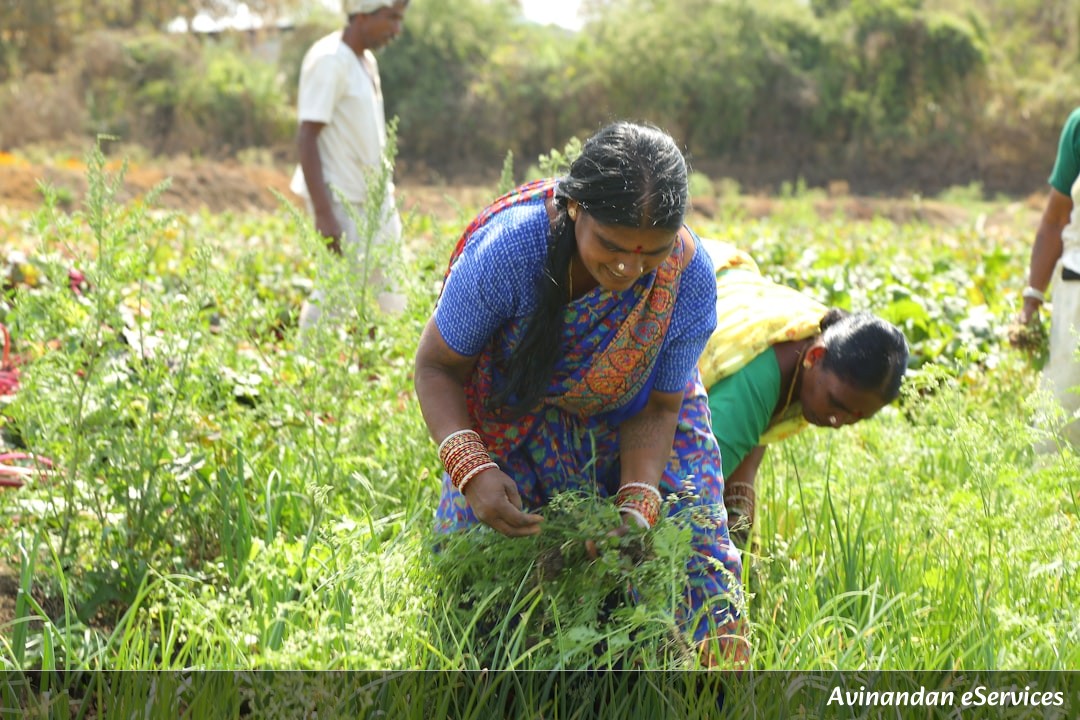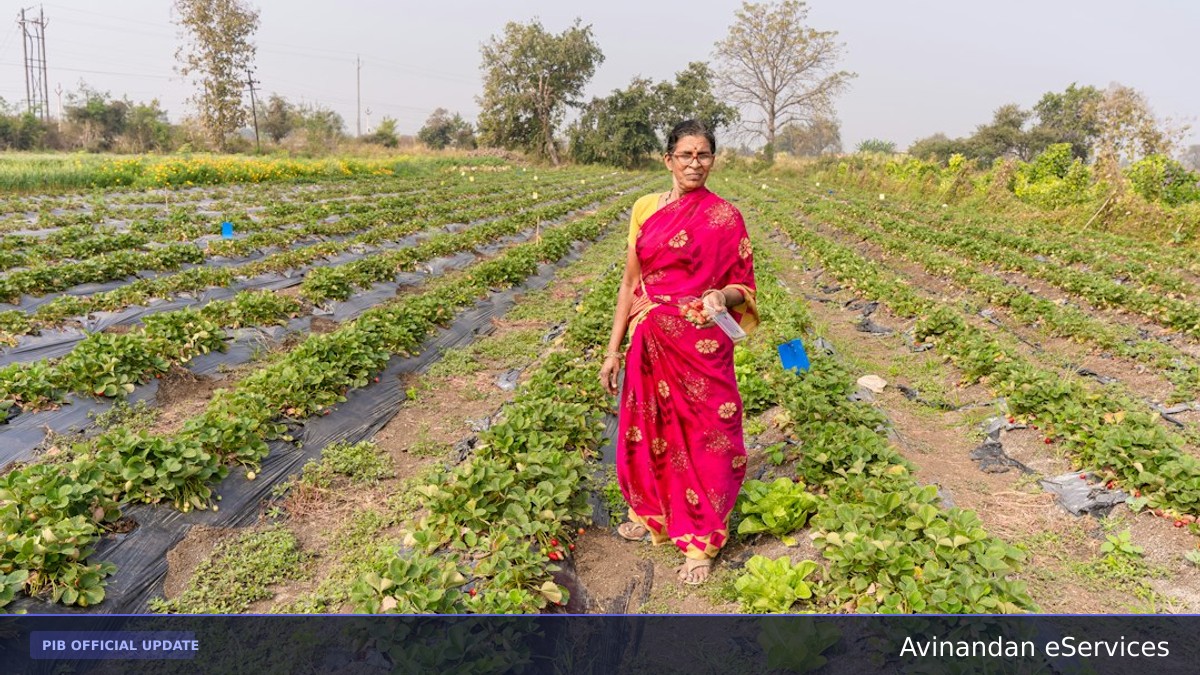
Empowerment begins when opportunity meets timely financial support. In the remote and often economically challenging terrains of Purulia district in West Bengal, an 11-member Self-Help Group (SHG) known as the Maa Lakshmi Mahila Samiti has scripted a remarkable story of resilience, enterprise, and economic independence. Through a blend of collective determination and targeted government intervention via the National Scheduled Castes Finance and Development Corporation (NSFDC) and the West Bengal Scheduled Castes Development Corporation (WBSCDC), these rural women have successfully transitioned from financial uncertainty to becoming self-reliant micro-entrepreneurs.
Released officially by the Ministry of Social Justice & Empowerment through the Press Information Bureau (PIB) on September 22, 2026, this inspiring narrative underscores the profound impact of grassroots institutional credit. By leveraging the Mahila Samriddhi Yojana, the collective turned a modest financial assistance of Rs. 1 lakh into a thriving greenhouse farming venture, proving that structural credit access is a powerful catalyst for rural transformation and women's empowerment across India.
Key Highlights & Major Announcements
Bridging the Credit Gap for Rural Women
In rural India, the lack of affordable and accessible institutional credit remains one of the greatest roadblocks to women’s economic emancipation. While millions of rural women possess the willingness, skill, and grit to engage in productive economic activities, limited capital often traps them in cycles of financial vulnerability. Traditional banking channels can sometimes present procedural barriers, leaving marginalized communities dependent on informal lenders with exorbitant interest rates.
Recognizing this structural bottleneck, the Ministry of Social Justice & Empowerment, through apex corporations like NSFDC, has continuously focused on bridging this credit gap. The Mahila Samriddhi Yojana is specifically designed to provide micro-finance to women belonging to target groups, enabling them to initiate income-generating ventures without facing crippling debt burdens. For the members of Maa Lakshmi Mahila Samiti, this scheme acted as the vital bridge between having dormant agricultural potential and executing a profitable commercial venture.
The Journey from Uncertainty to Green Prosperity
Before the disbursement of the loan in February 2025, the members of the Mahila Samriddhi Yojana beneficiary group faced severe financial uncertainty with no regular source of household income. Navigating daily sustenance was a constant struggle. However, their fortunes shifted when they connected with the district office of the West Bengal Scheduled Castes Development Corporation (WBSCDC).
Guided by local administrative outreach, the women learned about the financial assistance schemes tailored for Scheduled Caste communities and women entrepreneurs. They proactively applied for a loan to undertake greenhouse farming—a modern, protected cultivation technique that guarantees higher crop yields, protects plants from vagaries of weather, and optimizes the use of water and fertilizers. Leasing a plot of land collectively, the group invested the Rs. 1 lakh capital directly into setting up the infrastructure required for intensive cultivation.
Timely institutional support can help women organise themselves, build sustainable livelihoods and improve the well-being of their families. While limited access to affordable finance often prevents rural women from starting income-generating activities, targeted micro-credit transforms entire communities toward self-reliance.
Significance & National Impact
The success story emanating from Purulia is not an isolated milestone; it reflects the broader socio-economic vision of the Government of India to foster inclusive growth. By empowering women at the grassroots level, initiatives like the Mahila Samriddhi Yojana create a ripple effect that \textends far beyond individual earnings:
Frequently Asked Questions (FAQs)
1. What is the Mahila Samriddhi Yojana?
The Mahila Samriddhi Yojana is a micro-finance scheme implemented by the National Scheduled Castes Finance and Development Corporation (NSFDC) under the Ministry of Social Justice & Empowerment. It aims to provide concessional finance to women belonging to target groups to start income-generating activities.
2. Who provided the financial assistance to Maa Lakshmi Mahila Samiti?
The financial assistance of Rs. 1 lakh was provided under NSFDC's Mahila Samriddhi Yojana and was officially disbursed through the West Bengal Scheduled Castes Development Corporation (WBSCDC) on February 5, 2025.
3. What type of livelihood activity was established by the SHG?
The 11-member Self-Help Group successfully established a commercial greenhouse farming enterprise on leased agricultural land in the Purulia district of West Bengal.
4. How much income are the members currently generating?
Following the successful implementation of their greenhouse farming project, each member of the Maa Lakshmi Mahila Samiti earns an estimated steady income of Rs. 4,000 to Rs. 8,000 per month.
Official Source & Verification
This article is grounded on the official press release issued by the Press Information Bureau (PIB), Government of India (Release ID: 2313530, Ministry of Social Justice & Empowerment). Access the official document: https://pib.gov.in/PressReleasePage.aspx?PRID=2313530&lang=1.