In a unique blend of spiritual values and civic duty, the Department of Social Justice and Empowerment, operating under the Ministry of Social Justice and Empowerment, recently hosted a special awareness session titled 'Swachhata se Sabhyata'. Held at the Ministry’s Manan Conference Room in the National Capital, the event brought together government officials, staff, and spiritual practitioners to deliberate on the profound connection between human consciousness and environmental cleanliness.
This enlightening session formed an integral part of the nationwide Swachhata Hi Seva Campaign 2026, which has been rolled out across the country from September 17 to October 2. Placing a heavy emphasis on Jan Bhagidari (people's participation), the campaign seeks to transcend routine cleanliness drives, transforming sanitation into a mass cultural movement rooted in national pride and personal responsibility.
Key Highlights & Major Announcements
- Organising Body: Department of Social Justice and Empowerment, Ministry of Social Justice & Empowerment, Government of India.
- Collaborating Partner: The Brahma Kumaris, a worldwide spiritual movement known for promoting inner peace and moral values.
- Event Venue: Manan Conference Room, New Delhi.
- Core Theme: 'Swachhata se Sabhyata' (Cleanliness leading to Civility and Culture), conducted under the broader umbrella of the Swachhata Hi Seva Campaign 2026.
- Key Takeaway: Establishing a direct link between psychological clarity, inner purity, and physical waste management.
- Pledge: Reaffirmation by ministry officers and staff to uphold cleanliness in workplaces and communities year-round.
Contextual Analysis: Merging Inner Values with Outer Cleanliness
While government sanitation initiatives historically focus on infrastructural frameworks—such as waste collection systems, sewage treatment plants, and public sweeping drives—the 'Swachhata se Sabhyata' session introduced a refreshing socio-psychological dimension to governance. The discourse centered around the philosophical premise that sustainable public hygiene cannot be achieved merely through administrative mandates; it requires a fundamental shift in individual mindset and civic consciousness.
The Philosophy of 'Jaisi Awastha, Waisi Vyavastha'
Addressing the gathering of senior civil servants and administrative personnel, Sister Vidarthi of the Brahma Kumaris articulated a profound philosophical principle: 'Jaisi Awastha, Waisi Vyavastha'. Translated loosely, this maxim dictates that a person’s internal state of mind directly shapes the \texternal order and environment they create around themselves—whether within the confines of a private home, a bustling government office, or the wider public community.
Expounding on the universally recognized proverb, 'Cleanliness is next to Godliness', Sister Vidarthi urged participants to view sanitation not merely as an obligatory civic chore, but as an \textension of self-respect and spiritual purity. When an individual respects their own mind and body, maintaining pristine surroundings becomes an instinctive reflex rather than an imposed duty.
Promoting Sustainable Habits and Resource Management
Beyond abstract philosophy, the session drilled down into actionable, everyday lifestyle changes. Sister Vidarthi placed heavy emphasis on fostering a deep-seated respect for nature, practicing social sensitivity, and adopting a lifestyle of simple living. She highlighted that enduring physical cleanliness must be supported by cleanliness in three core dimensions: thought, speech, and conduct.
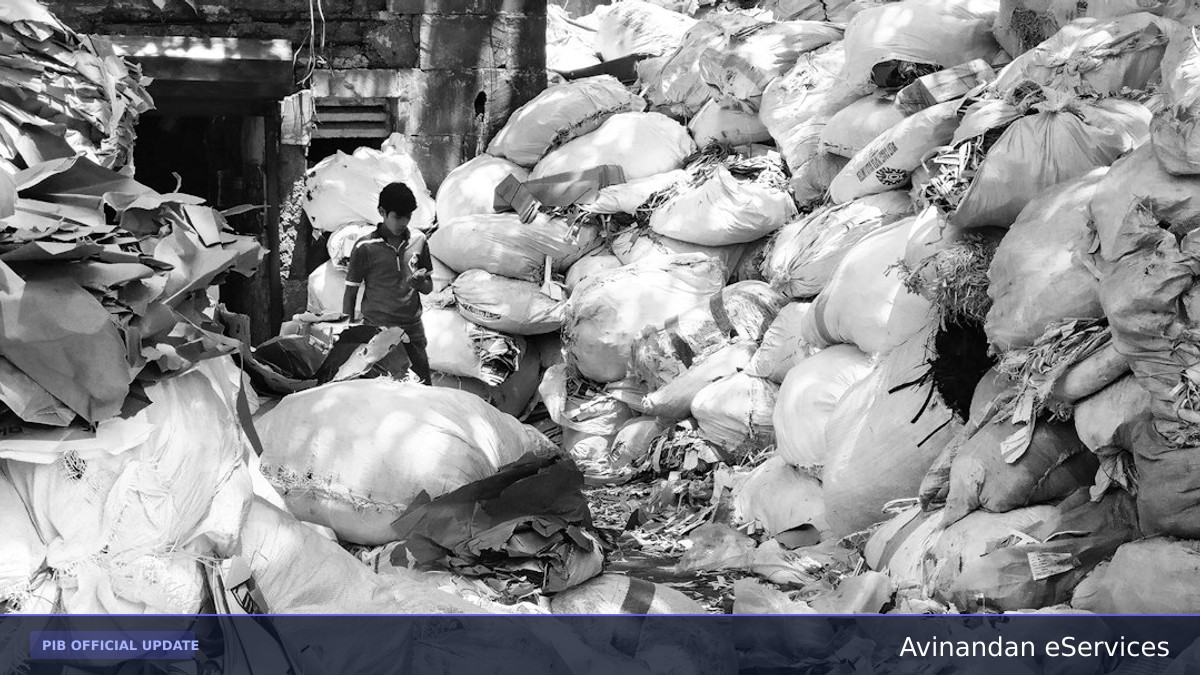
Furthermore, the session placed significant emphasis on recycling as a practical, indispensable habit. Responsible resource utilization and effective waste management were framed as moral imperatives for modern bureaucratic machinery, setting a strong example for citizens to emulate in their daily routines.
"A person’s state of mind shapes the order they create around them, whether at home, in the workplace or in the wider community. Lasting physical cleanliness is supported by cleanliness in thought, speech and conduct." — Sister Vidarthi, Brahma Kumaris
Significance & National Impact
The integration of spiritual introspection with national governance initiatives like the Swachhata Hi Seva Campaign marks a maturing of India's administrative approach toward public welfare. By engaging ministries directly in psychological and value-based orientation, the government is fostering a culture of accountability that starts from within.
As the Swachhata Hi Seva Campaign 2026 progresses toward its culmination on October 2, sessions like 'Swachhata se Sabhyata' serve as powerful catalysts for behavioral change (Jan Andolan). When civil servants publicly reaffirm their commitment to maintaining workplace and community cleanliness year-round, it sends a strong signal down the administrative hierarchy, reinforcing public trust and encouraging nationwide civic participation.
Frequently Asked Questions (FAQs)
1. What was the main objective of the 'Swachhata se Sabhyata' session?
The primary objective was to connect inner psychological values, spiritual purity, and moral integrity with physical cleanliness and civic responsibility among government officials and the public.
2. Under which larger initiative was this session organized?
The session was organized as a special event under the nationwide Swachhata Hi Seva Campaign 2026, which runs from September 17 to October 2 with a core focus on Jan Bhagidari.
3. Who collaborated with the Ministry of Social Justice and Empowerment for this event?
The Department of Social Justice and Empowerment collaborated with the Brahma Kumaris spiritual organization to conduct the awareness session in New Delhi.
4. What key practices were emphasized during the address by Sister Vidarthi?
Sister Vidarthi emphasized cleanliness in thought, speech, and conduct, respect for nature, simple living, and the practical adoption of recycling for better waste management.
Official Source & Verification
This article is grounded on the official press release issued by the Press Information Bureau (PIB), Government of India (Release ID: 2315083, Ministry of Social Justice & Empowerment). Access the official document: https://pib.gov.in/PressReleasePage.aspx?PRID=2315083&lang=1.