In a significant milestone for India's agricultural export sector, the Agricultural and Processed Food Products Export Development Authority (APEDA) successfully facilitated the flag-off of a 1 Metric Ton (MT) consignment of Geographical Indication (GI)-tagged Gulbarga Tur Dal from Karnataka to the Maldives on September 24, 2026. This landmark initiative is strategically designed to broaden international markets for India's indigenous, GI-registered agricultural treasures while aggressively bolstering the active participation of Farmer Producer Organisation (FPO)-led brands in the global agri-trade ecosystem.
Operating under the aegis of the Ministry of Commerce & Industry, Government of India, this development marks a crucial stride in linking domestic agrarian produce directly with international value chains. By cutting through traditional intermediaries and empowering regional cooperatives, the initiative sets a benchmark for how specialized Indian food products can capture high-value global markets.
Key Highlights & Major Announcements
- Consignment Details: A 1 MT shipment of GI-tagged Gulbarga Tur Dal flagged off to the Maldives on September 24, 2026.
- Economic Boost for Farmers: Farmers achieve a phenomenal price realisation of ₹82 per kg through the export channel, compared to the domestic market price of ₹60 per kg—representing a direct surge of over 30 percent.
- Export Partners: The shipment is executed and transported by sea via M/s Silken Global Exports and Imports, Mysuru, utilizing its dedicated FPO-led brand framework.
- Geographical Indication Legacy: Gulbarga Tur Dal, indigenous to the Kalaburagi region of Karnataka, earned its prestigious GI registration back in 2019 due to its peerless quality, distinct flavor profile, and deep-rooted significance in dryland agriculture.
- Leadership Oversight: The flag-off ceremony was graced by APEDA Chairman Shri Abhishek Dev, alongside key dignitaries including Dr. Tarun Bajaj (Senior Consultant, APEDA), Smt. Vinita Sudhanshu (General Manager, APEDA), Shri V. Sadashiva (Managing Director, KSPAML, Gulbarga), and Shri Imran Pasha (M/s Silken Global Exports and Imports).
Transforming Dryland Agriculture and Farmer Realisation
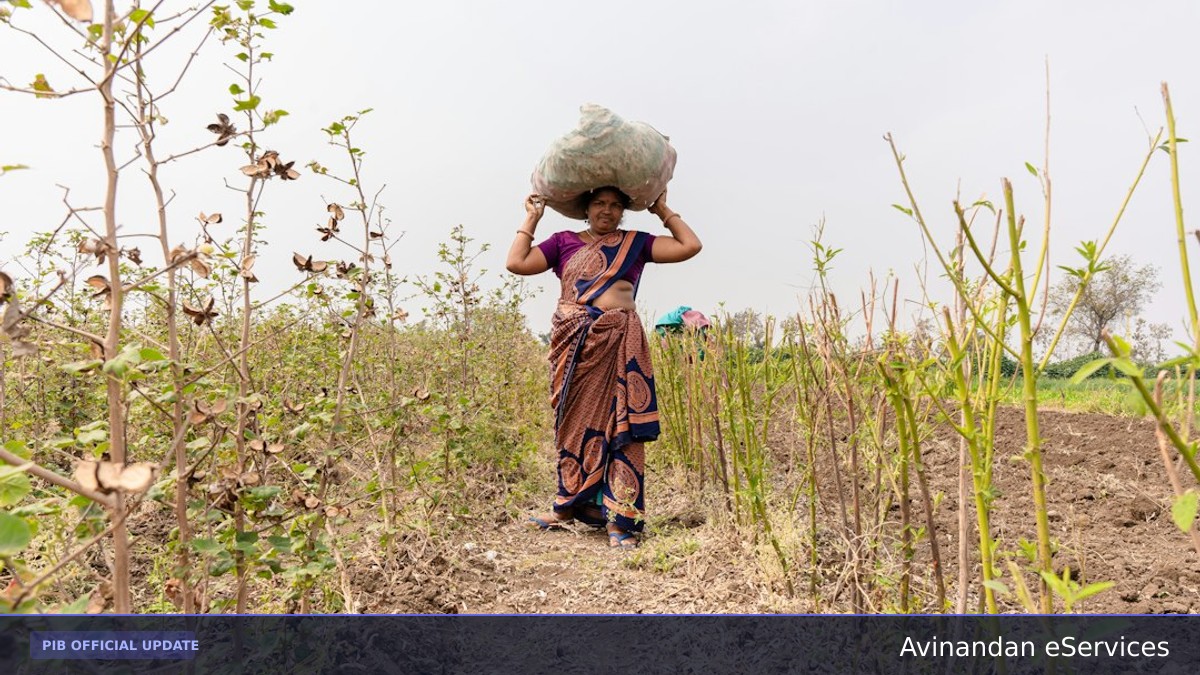
Karnataka stands tall as one of India's paramount agricultural powerhouses, with pulses forming the absolute backbone of its dryland farming economy and rural livelihoods. Within this ecosystem, the Kalaburagi region serves as the undisputed heartland of tur (pigeon pea) cultivation and production. Gulbarga Tur Dal is not merely a commodity; it represents the rich agricultural heritage and distinct socio-economic identity of the region.
One of the most profound breakthroughs of this export-linked value chain is the dramatic enhancement in farmer income. In conventional domestic markets, the prevailing market price hovers around ₹60 per kg. However, through this meticulously engineered export channel facilitated by APEDA and executed by FPO-backed entities like M/s Silken Global Exports and Imports, farmers are witnessing a price realisation of ₹82 per kg. This represents an unprecedented financial advantage of more than 30 percent, directly uplifting rural households and validating the central government's sustained push towards farmer-centric export policies.
"Taking India’s GI-tagged agricultural products to global markets and creating stronger market linkages is paramount. The export of Gulbarga Tur Dal to the Maldives provides an exceptional opportunity to build the product’s global identity while opening wide avenues for further international market expansion."
— Shri Abhishek Dev, Chairman, APEDA
Empowering Farmer Producer Organisations (FPOs)
A critical pillar of modern Indian agricultural governance is the institutional strengthening of Farmer Producer Organisations (FPOs). By aggregating small and marginal farmers, FPOs bridge the critical gap between fragmented landholdings and large-scale commercial trade. In the context of the Gulbarga Tur Dal consignment, the involvement of an FPO-led brand demonstrates how local producer cooperatives can successfully navigate complex international logistics, quality compliances, and export documentation.
This initiative not only opens regular, sustained market opportunities for Karnataka's producers and exporters but also integrates grassroots farming communities directly with lucrative overseas supply chains. The success of this maiden sea shipment to the Maldives is projected to pave the way for regular, recurring shipments, ensuring long-term financial security and structural stability for Kalaburagi's agricultural sector.
Significance & National Impact
The successful shipment of Gulbarga Tur Dal to the Maldives aligns seamlessly with APEDA’s overarching mandate to diversify India's agricultural export basket. By focusing aggressively on value-added, region-specific, and GI-tagged products, India is successfully carving out a niche for authentic, high-quality ethnic foods in international markets.
Geographical Indication tags serve as a mark of authenticity and exceptional quality, protecting indigenous produce from imitation while commanding premium valuations globally. Initiatives of this nature reinforce India's position as a reliable, quality-conscious global agricultural supplier while fulfilling the national vision of doubling farmers' incomes and fostering self-reliance (Atmanirbhar Bharat) through export-led growth.
Frequently Asked Questions (FAQs)
1. What is Gulbarga Tur Dal, and when did it get a GI tag?
Gulbarga Tur Dal is a premium variety of pigeon pea cultivated in the Kalaburagi (Gulbarga) region of Karnataka, renowned for its unique taste, superior quality, and nutritional value. It was granted the prestigious Geographical Indication (GI) tag in 2019.
2. How does this export benefit local farmers financially?
Through the APEDA-facilitated export channel, farmers receive a price realisation of ₹82 per kg for Gulbarga Tur Dal, which is over 30 percent higher than the standard domestic market price of ₹60 per kg.
3. Who facilitated the export of Gulbarga Tur Dal to the Maldives?
The export initiative was facilitated by the Agricultural and Processed Food Products Export Development Authority (APEDA) in collaboration with M/s Silken Global Exports and Imports, Mysuru, operating via its FPO-led brand.
4. What role do FPOs play in this agricultural export model?
Farmer Producer Organisations (FPOs) aggregate produce from small-scale farmers, enabling them to connect directly with international export-oriented value chains, improve bargaining power, and secure higher financial returns.
Official Source & Verification
This article is grounded on the official press release issued by the Press Information Bureau (PIB), Government of India (Release ID: 2314853, Ministry of Commerce & Industry). Access the official document: https://pib.gov.in/PressReleasePage.aspx?PRID=2314853&lang=1.