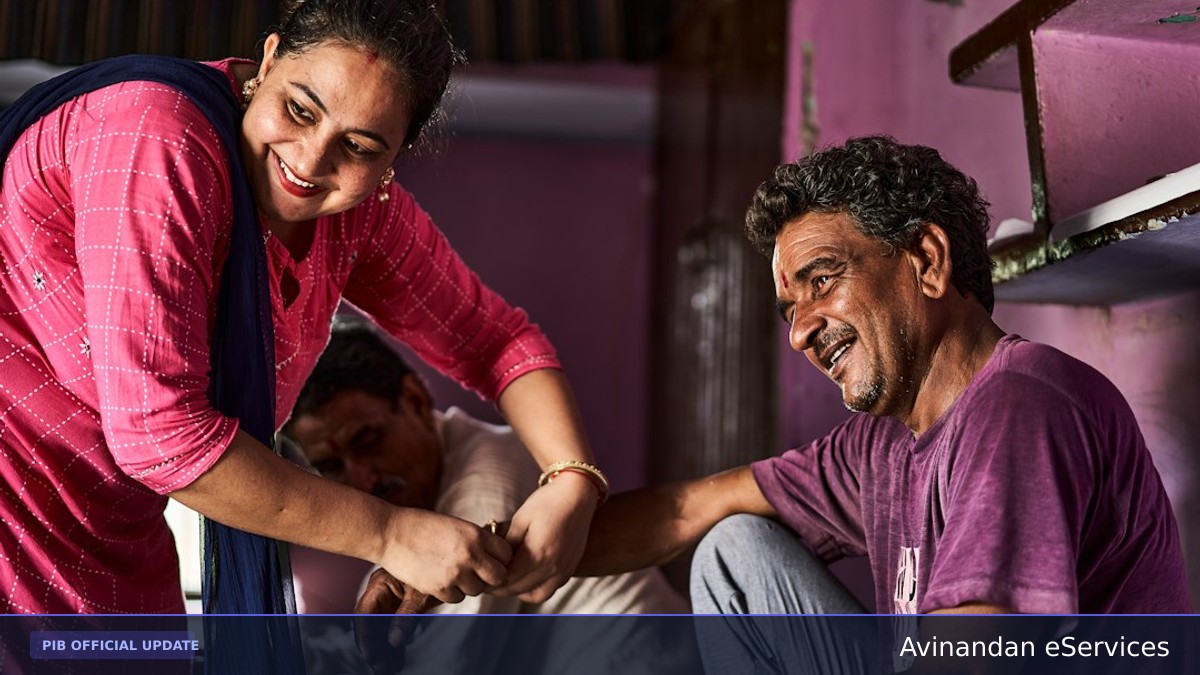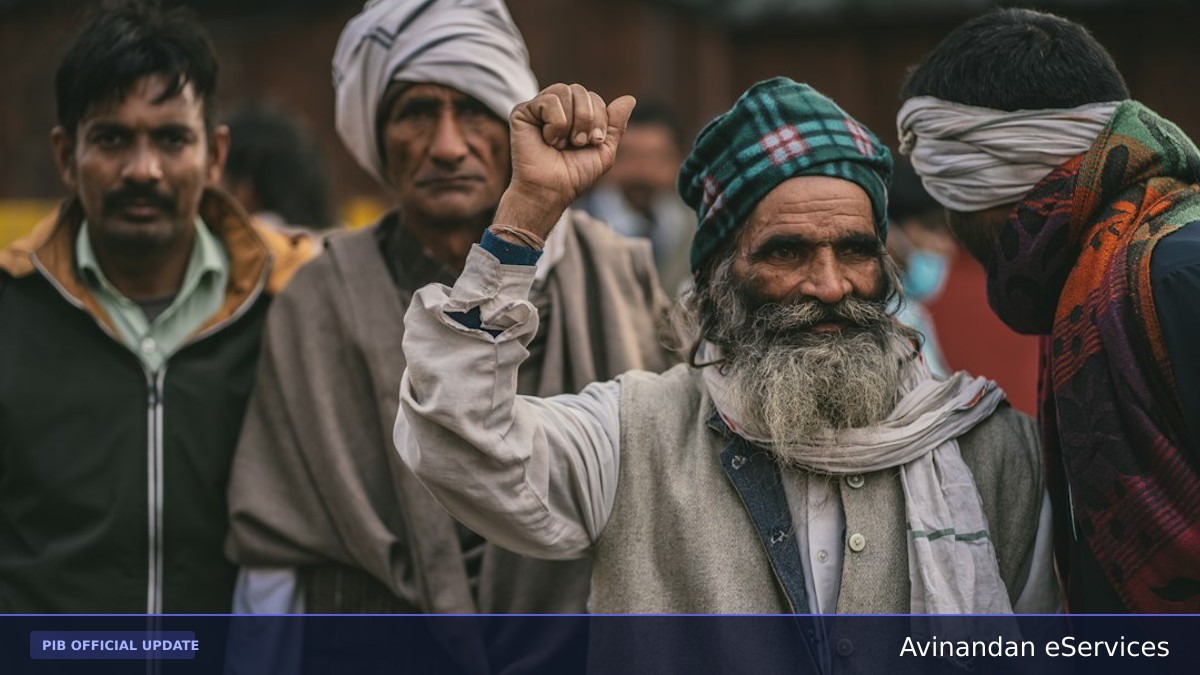
In a heartening display of civic duty and community spirit, senior citizens residing at the SAIDS (Social Action for Integrated Development Services) Old Age Home in Adilabad, Telangana, have stepped forward to lead a cleanliness and sanitation drive. Organized as part of the nationwide ongoing Swachhata campaign, this grassroots initiative reflects the core philosophy of 'Jan Bhagidari'—transforming national sanitation efforts into a sustained, people-led movement envisioned by Prime Minister Narendra Modi.
The event, documented under the Ministry of Social Justice & Empowerment, underscores that building a cleaner, healthier, and more sustainable India is a collective responsibility that transcends age barriers. By actively taking up brooms and participating in cleanup activities within and around their residential premises, the elderly residents have set a powerful example for the younger generations, proving that commitment to society remains vibrant across all stages of life.
Key Highlights & Major Announcements
Contextual Analysis: Age is No Barrier to Nation-Building
Embracing the Vision of Swachhata Hi Seva 2026
The Swachhata Hi Seva campaign has consistently evolved into a monumental socio-cultural movement across India. The 2026 edition, carrying the profound theme of “Swachhata Mein Sahbhag, Swachh Bharat, Viksit Bharat”, shifts the paradigm from government-led sanitation drives to a deeply entrenched jan andolan (people's movement). By engaging diverse demographic segments—ranging from school children and youth to senior citizens—the campaign ensures that hygiene and sanitation become lifelong habits rather than periodic events.
The Role of Senior Citizens in Community Mobilization
The active participation of the elderly at the Adilabad old age home shatters traditional stereotypes regarding civic engagement. Often viewed as passive beneficiaries of welfare programs, these senior citizens demonstrated that their wealth of life experience, wisdom, and steadfast commitment can actively drive social awareness. Their involvement serves as a powerful catalyst for community mobilization, encouraging local neighborhoods, civic bodies, and youth groups to take ownership of their local environment.
“Swachhata is not merely a campaign but a collective responsibility and a way of life. The active contribution of senior citizens exemplifies the spirit of Jan Bhagidari and strengthens the broader vision of a Swachh Bharat and Viksit Bharat.”
Significance & National Impact
The initiative at the SAIDS Old Age Home carries profound implications for the social fabric of India. Firstly, it underscores the inclusive nature of the Swachhata movement. When senior citizens take charge of cleanliness in their immediate surroundings, it sends an unambiguous message to society that civic accountability is non-negotiable, irrespective of age or physical limitations.
Secondly, it bridges generational divides. Witnessing elderly citizens actively sweeping and maintaining clean spaces inspires youth and community members to rethink their own civic responsibilities. This cultural shift is crucial for achieving long-term sustainability goals, as public health, sanitation, and environmental upkeep are foundational pillars for realizing the larger national vision of a *Viksit Bharat* (Developed India) by 2047.
Frequently Asked Questions (FAQs)
1. What is the theme of the Swachhata Hi Seva campaign?
The Swachhata Hi Seva campaign is being observed with the inspiring theme “Swachhata Mein Sahbhag, Swachh Bharat, Viksit Bharat,” which emphasizes active public participation in sanitation.
2. Who participated in the cleanliness campaign in Adilabad, Telangana?
Senior citizens residing at the SAIDS (Social Action for Integrated Development Services) Old Age Home in Adilabad actively participated in the cleanliness and sanitation drive.
3. Which ministry oversees these community-driven sanitation initiatives?
Such grassroots social campaigns and welfare-linked community initiatives are guided and highlighted under the purview of the Ministry of Social Justice & Empowerment, Government of India.
4. How does this initiative support the vision of Viksit Bharat?
By fostering a culture of cleanliness, community participation (Jan Bhagidari), and shared social responsibility, such campaigns build healthier living environments essential for sustainable national development.
Official Source & Verification
This article is grounded on the official press release issued by the Press Information Bureau (PIB), Government of India (Release ID: 2314887, Ministry of Social Justice & Empowerment). Access the official document: https://pib.gov.in/PressReleasePage.aspx?PRID=2314887&lang=1.