In a significant move to bridge the gap between high-end scientific research and the practical needs of India's rural heartland, the Principal Scientific Adviser (PSA) to the Government of India, Prof. Ajay Kumar Sood, chaired the Third Annual Review Meeting of the Rural Technology Action Group (RuTAG) 2.0 projects. Held on September 24-25, 2026, at the prestigious Indian Institute of Technology (IIT) Roorkee, the meeting served as a critical platform to evaluate the progress of technological interventions designed to transform rural livelihoods. This review marks a pivotal moment in the evolution of RuTAG 2.0, an initiative of the Office of the Principal Scientific Adviser (OPSA) that seeks to move beyond laboratory prototypes toward scalable, commercially viable, and field-validated solutions for the common citizen.
Key Highlights & Major Announcements
- Strategic Shift to RuTAG 2.0: Launched in 2023, the second iteration of the program emphasizes technology validation, commercialization, and wider application over mere conceptualization.
- Focus on Depth of Impact: Prof. Ajay Kumar Sood emphasized that the success of rural technology should be measured by the depth of its impact on communities rather than the breadth of activities.
- RSVC-AMRIT Platform: Integration with the platform developed by NABARD and OPSA to support technology discovery, validation, and deployment.
- Participation of Seven Premier Centers: Progress reports were presented by RuTAG centers at IIT Bombay, IIT Delhi, IIT Guwahati, IIT Madras, IIT Roorkee, ICAR-NAARM Hyderabad, and SKUAST-Kashmir.
- Release of Technology Compendium: A comprehensive document detailing the interventions of RuTAG SKUAST-Kashmir (2023-2026) was officially released.
- Infrastructure Inspection: Stakeholders visited advanced facilities at IIT Roorkee, including the Hydro Turbine Testing and Biomass Research laboratories.
The Evolution of RuTAG: From Concept to RuTAG 2.0
The Rural Technology Action Group (RuTAG) was conceptualized in 2003-04 and formally established in 2004 under the Office of the Principal Scientific Adviser. For nearly two decades, RuTAG has functioned as a mechanism to connect the immense technical capabilities of India’s premier scientific institutions with the pressing needs of rural areas. However, the launch of RuTAG 2.0 in 2023 signaled a paradigm shift in the government's approach to rural innovation.
While the original RuTAG focused on identifying problems and developing technical solutions, RuTAG 2.0 is designed to ensure these solutions actually reach the end-user. The current phase prioritizes field engagement and the creation of sustainable business models. By involving local fabricators, state governments, and financial institutions, RuTAG 2.0 aims to create an ecosystem where a technological intervention is not just a 'project' but a permanent improvement in the rural value chain.
"The objective should increasingly be depth of impact rather than breadth of activity. Affordability should not compromise quality, reliability, safety, or durability. Technologies which have reached maturity should progressively move beyond programme-supported development towards adoption by relevant institutions, enterprises, or industry."
— Prof. Ajay Kumar Sood, Principal Scientific Adviser to the GoI
Strategic Directives for Rural Technological Maturity
During the two-day deliberations, Prof. Sood and other senior officials provided a roadmap for the future of rural science and technology. A major theme was the transition of mature technologies from the laboratory to the marketplace. The PSA noted that once a technology reaches a certain level of maturity, it must be adopted by industry or government enterprises to ensure long-term sustainability.
Integration with Rural Value Chains
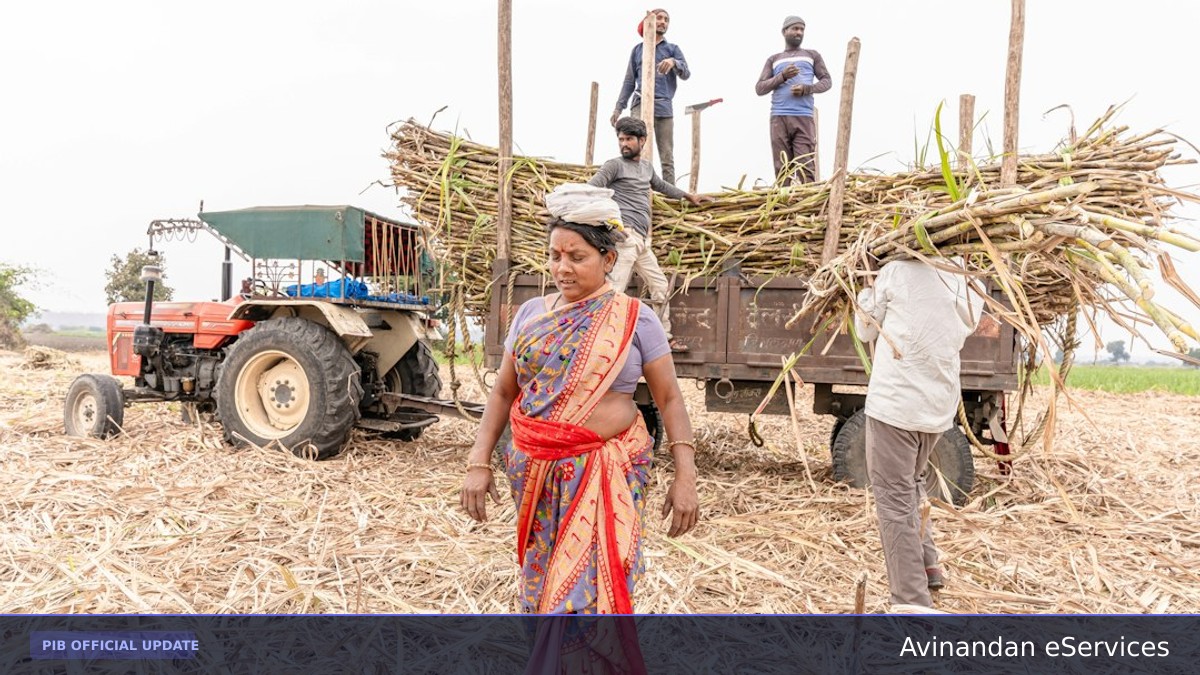
Dr. Parvinder Maini, Scientific Secretary at OPSA, highlighted that RuTAG technologies must no longer be viewed as standalone gadgets. Instead, they must be integrated into broader rural value chains. For instance, a new harvesting tool is only effective if it fits into the existing logistics, storage, and market systems of the farmer. This holistic view ensures that technological interventions lead to actual increases in income and efficiency for rural workers.
The Role of Multidisciplinary Collaboration
Prof. Kamal Kishore Pant, Director of IIT Roorkee, emphasized that solving rural challenges requires a multidisciplinary approach. This involves not just mechanical or electrical engineering, but also an understanding of local entrepreneurship, water resource management, and environmental sustainability. The goal is to create viable models that support local employment, particularly in remote regions where traditional industrial jobs are scarce.
Showcasing Innovation: The Seven RuTAG Centers
The review meeting provided a stage for the seven RuTAG centers to showcase their cumulative progress. Each center brings a unique regional perspective to the program:
- IIT Roorkee: Focused on hydro-power, biomass, and environmental bio-research.
- SKUAST-Kashmir: Specialized in high-altitude agricultural interventions and cold-climate technologies.
- IIT Madras & IIT Bombay: Leading innovations in rural manufacturing and resource-efficient machinery.
- ICAR-NAARM: Bridging the gap between agricultural research and management for better farmer outreach.
The exhibition stalls at the event showcased technologies ranging from improved agricultural implements to biochar production units, demonstrating the practical application of the 'Lab to Land' philosophy.
Significance & National Impact
The RuTAG 2.0 initiative is a cornerstone of the government's vision for an 'Atmanirbhar Bharat' (Self-Reliant India). By empowering rural communities with high-quality, affordable technology, the program addresses several national priorities:
1. Economic Empowerment
By improving the efficiency of rural occupations—such as weaving, farming, and small-scale manufacturing—RuTAG technologies directly contribute to increasing the Gross Domestic Product (GDP) at the grassroots level. It reduces the cost of production and minimizes physical drudgery, making rural professions more attractive to the youth.
2. Sustainable Development
Many of the projects reviewed at IIT Roorkee focus on renewable energy and waste management, such as biochar research and hydro turbines. These interventions promote a circular economy and help India meet its climate goals while providing energy security to remote villages.
3. Strengthening the Innovation Ecosystem
RuTAG 2.0 fosters a unique collaboration between academia (IITs), government (OPSA), and financial bodies (NABARD). This synergy ensures that innovations are not only scientifically sound but also financially viable and scalable through platforms like RSVC-AMRIT.
Frequently Asked Questions (FAQs)
What is RuTAG 2.0 and how does it differ from the original RuTAG?
RuTAG 2.0 is the second phase of the Rural Technology Action Group initiative. While the original RuTAG focused on identifying rural needs and developing technical solutions, RuTAG 2.0 places a much heavier emphasis on field validation, commercialization, scaling up, and ensuring that technologies are integrated into the actual rural economy.
Which institutions are currently part of the RuTAG network?
There are currently seven primary RuTAG centers: IIT Bombay, IIT Delhi, IIT Guwahati, IIT Madras, IIT Roorkee, ICAR-NAARM (Hyderabad), and SKUAST-Kashmir. These centers work collaboratively to address regional and national rural technology challenges.
What is the RSVC-AMRIT platform mentioned by the PSA?
The RSVC-AMRIT platform is a collaborative digital initiative developed by NABARD in partnership with the Office of the PSA. It is designed to support the discovery, validation, and deployment of technologies, helping innovators connect with the resources needed to scale their solutions for rural India.
How does RuTAG ensure that the technologies are affordable for rural users?
Affordability is a core pillar of RuTAG. However, as Prof. Ajay Kumar Sood noted, affordability must not come at the cost of safety or durability. The program focuses on local manufacturing and the use of local materials to keep costs low while maintaining high engineering standards.
Official Source & Verification
This article is grounded on the official press release issued by the Press Information Bureau (PIB), Government of India (Release ID: 2315101, Office of Principal Scientific Advisor to GoI). Access the official document: https://pib.gov.in/PressReleasePage.aspx?PRID=2315101&lang=1.