In a massive blow to inter-state narcotics syndicates, the Central Bureau of Narcotics (CBN) Rajasthan Unit has seized nearly four tonnes of illicit contraband in a series of intensified enforcement operations over the past weeks. Executed under the umbrella of the Ministry of Finance, Government of India, these strategic intelligence-driven raids have dismantled key supply networks, resulting in the seizure of massive quantities of Poppy Straw (Doda Chura), Opium, and high-end Hydroponic Cannabis (Ganja), alongside substantial cash, luxury vehicles, and illegal firearms.
Key Highlights & Major Announcements
- Total Contraband Seized: 3,937 kg of Poppy Straw (Doda Chura), 9.6 kg of Opium, and 1.9 kg of Hydroponic Cannabis (Ganja).
- Cash & Assets Recovered: ₹18.42 lakh in unaccounted cash, six vehicles including commercial trucks and luxury SUVs, and a country-made pistol with three live rounds.
- Arrests Made: Four individuals have been apprehended and booked under the stringent provisions of the Narcotic Drugs and Psychotropic Substances (NDPS) Act, 1985.
- Executing Agency: Central Bureau of Narcotics (CBN), Rajasthan Unit, operating under the Ministry of Finance.
- Core Mission Focus: Advancing the national vision of a “Nasha Mukt Bharat” (Drug-Free India) and ensuring the safe use of controlled substances.
Decoding the Operations: A Statewide Crackdown
The recent series of operations executed by the CBN Rajasthan Unit underscores the sophistication and reach of modern drug trafficking networks operating across regional corridors, as well as the meticulous planning by federal enforcement agencies to intercept them. Utilizing actionable intelligence, CBN field operatives targeted multiple transit hubs and residential stash houses across Rajasthan.
Concealed Cargo Interceptions
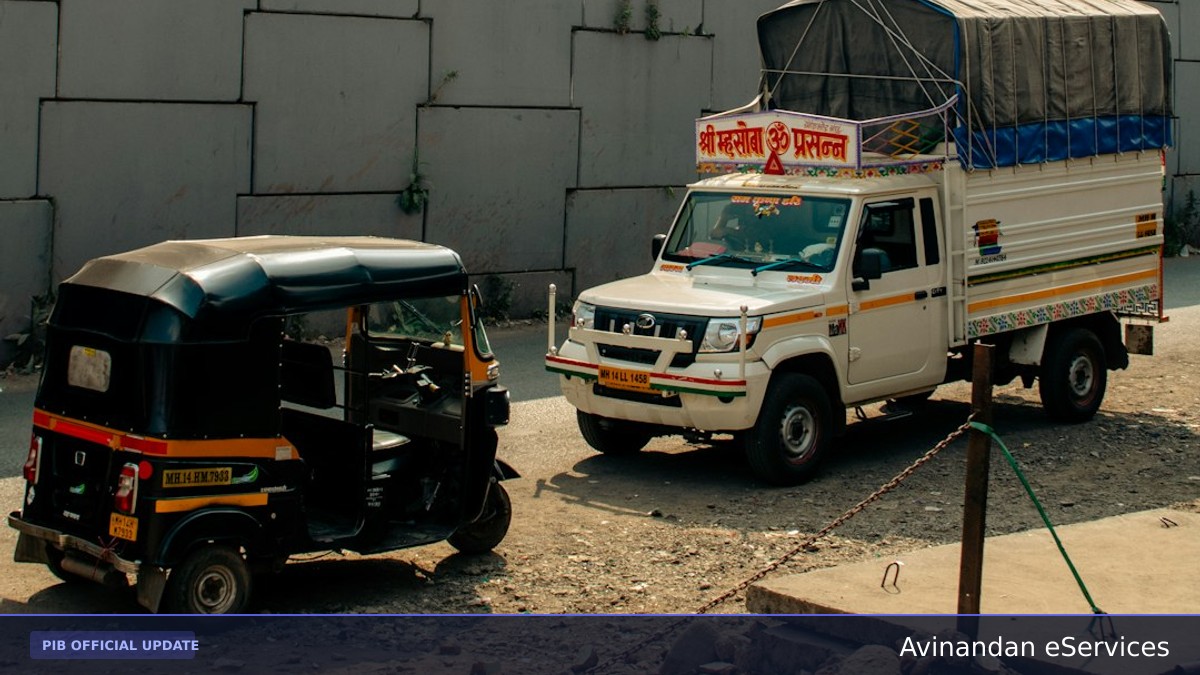
In one of the most prominent breakthroughs, the CBN team intercepted a heavy commercial truck transporting a massive, concealed consignment of 2,292.460 kg of Poppy Straw neatly packed across 118 bags. To evade routine highway checks, traffickers ingeniously concealed the narcotics beneath a decoy cover cargo of heavy cement bags. Two suspects were arrested on the spot, and the vehicle was impounded. Subsequent follow-up searches at the residences of the accused led to the recovery of incriminating documents, including operational registers and a motorcycle.
In a separate multi-pronged raid, enforcement teams recovered 1,037 kg of Doda Chura contained in 56 bags from a premises housing a loaded luxury SUV (Fortuner). Significantly, a country-made firearm loaded with live ammunition was also retrieved from the vehicle, highlighting the armed and dangerous nature of the criminal syndicates involved. Continuing the sweep, tactical teams intercepted multiple other vehicles—including a Tata Harrier carrying 340 kg, a Creta carrying 110 kg, and a Honda Amaze carrying 156.7 kg of Poppy Straw, the occupant of which abandoned the vehicle and fled into the night.
Tackling High-Value Opium and Hydroponic Ganja
Beyond traditional bulk agricultural narcotics, the operations targeted urban distribution networks dealing in high-value substances. CBN operatives raided a residential premise resulting in the seizure of 9.6 kg of pure illicit Opium and ₹18.42 lakh in cash, pointing toward high-volume cash transactions typical of narcotics syndicates. Additionally, a specialized interception at the Foreign Post Office (FPO) in Jaipur uncovered 1.9 kg of imported Hydroponic Cannabis (Ganja), indicating that enforcement agencies are actively monitoring international mail channels being exploited for exotic drug smuggling.
“The Central Bureau of Narcotics remains firmly committed to the vision of ‘Safe Use and Prevent Abuse of Drugs or Medicines’ and ‘Nasha Mukt Bharat’ and continues to undertake intelligence-driven enforcement and preventive awareness initiatives against the illegal trafficking, diversion and abuse of narcotic drugs and psychotropic substances.”
Significance & National Impact
The successful execution of these consecutive operations highlights India's zero-tolerance policy toward illicit drug trafficking. Narcotics control is not merely a law enforcement challenge; it is a critical pillar of national security, public health, and youth welfare. The proliferation of substances like Doda Chura and synthetic or specialized cannabis poses severe socioeconomic threats, destroying livelihoods and fueling organized crime syndicates.
By striking at the financial roots of these cartels—evident from the seizure of ₹18.42 lakh in cash—and confiscating logistical assets such as luxury vehicles and trucks, the CBN has inflicted debilitating financial losses on the trafficking networks. Furthermore, ongoing comprehensive investigations are currently mapping backward and forward linkages to identify primary producers, financers, and ultimate retail destinations, ensuring that the entire nexus is dismantled under the rigorous framework of the NDPS Act, 1985.
Frequently Asked Questions (FAQs)
1. What is the Central Bureau of Narcotics (CBN)?
The Central Bureau of Narcotics (CBN) is a premier federal law enforcement agency operating under the Ministry of Finance, Government of India. It is tasked with enforcing the provisions of the Narcotic Drugs and Psychotropic Substances (NDPS) Act, 1985, preventing the illicit trafficking of narcotics, and regulating the legal cultivation and production of opium poppy.
2. What laws are invoked against arrested traffickers in these operations?
All recovered contraband, cash, weapons, and vehicles have been formally seized under the relevant, stringent penal provisions of the Narcotic Drugs and Psychotropic Substances (NDPS) Act, 1985, which provides for rigorous imprisonment and heavy financial penalties for drug trafficking offenses.
3. What is Poppy Straw (Doda Chura)?
Poppy straw, locally known as Doda Chura, consists of all parts of the opium poppy (except the seeds) after harvesting. It contains residual opiate alkaloids and is classified as a narcotic drug under the NDPS Act, making its unauthorized possession, transport, and sale illegal.
4. How does the government plan to sustain this anti-drug campaign?
The Indian government, through agencies like the CBN, relies on a two-pronged strategy: aggressive, intelligence-led enforcement operations to crush supply chains, alongside proactive public awareness and community outreach initiatives aligned with the national 'Nasha Mukt Bharat Abhiyan' mission.
Official Source & Verification
This article is grounded on the official press release issued by the Press Information Bureau (PIB), Government of India (Release ID: 2315344, Ministry of Finance). Access the official document: https://pib.gov.in/PressReleasePage.aspx?PRID=2315344&lang=1.