Union Home Minister and Minister of Cooperation, Shri Amit Shah, officially launched a series of transformative initiatives focused on women empowerment and cooperative sector growth during a high-profile event at the Pavithram Convention Centre in Kollam, Keralam. Accompanied by Union Minister of State for Petroleum and Natural Gas and Tourism, Shri Suresh Gopi, alongside prominent leaders and cooperative stakeholders, the event marked a vital milestone in advancing Prime Minister Shri Narendra Modi's overarching vision of “Sahkar se Samriddhi” (Prosperity through Cooperation).
The latest rollout is strategically designed to infuse renewed vigor into Keralam’s historic cooperative movement, bridging the gap between grassroots rural entrepreneurs—particularly women Self-Help Groups (SHGs)—and expanded consumer markets. By leveraging institutional muscle from bodies like NAFED, NCCF, Kendriya Bhandar, and Amul, the central government aims to establish a robust framework that guarantees sustainable livelihoods, financial inclusion, and holistic rural development during the Amrit Kaal of India’s independence.
Key Highlights & Major Announcements
- Launch of ‘She-Mart’: A budget-backed initiative designed to directly connect women Self-Help Groups and rural women entrepreneurs with retail markets and end consumers.
- Regional Expansion Blueprint: Plans to establish over 300 She-Mart retail stores across Keralam, Tamil Nadu, and Karnataka to market local goods alongside popular ‘Bharat Brand’ commodities.
- Affordable Commodities Distribution: Rollout of mobile vans by NAFED to supply affordable onions, Bharat Atta, and Bharat Rice directly to farmers and the general public in Keralam.
- Pulses Self-Sufficiency & Scholarships: Implementation of the Mission for Aatmanirbharta in Pulses, distributing urad and gram seeds to women farmers, alongside the NAFED-Kalyan Scholarship Scheme for girl children from nearly 2,000 families.
- Robust Cooperative Base: Acknowledging Keralam’s deep-rooted cooperative heritage with over 23,000 active institutions spanning Travancore, Kochi, and Malabar.
Empowering Nari Shakti through Cooperative Networks
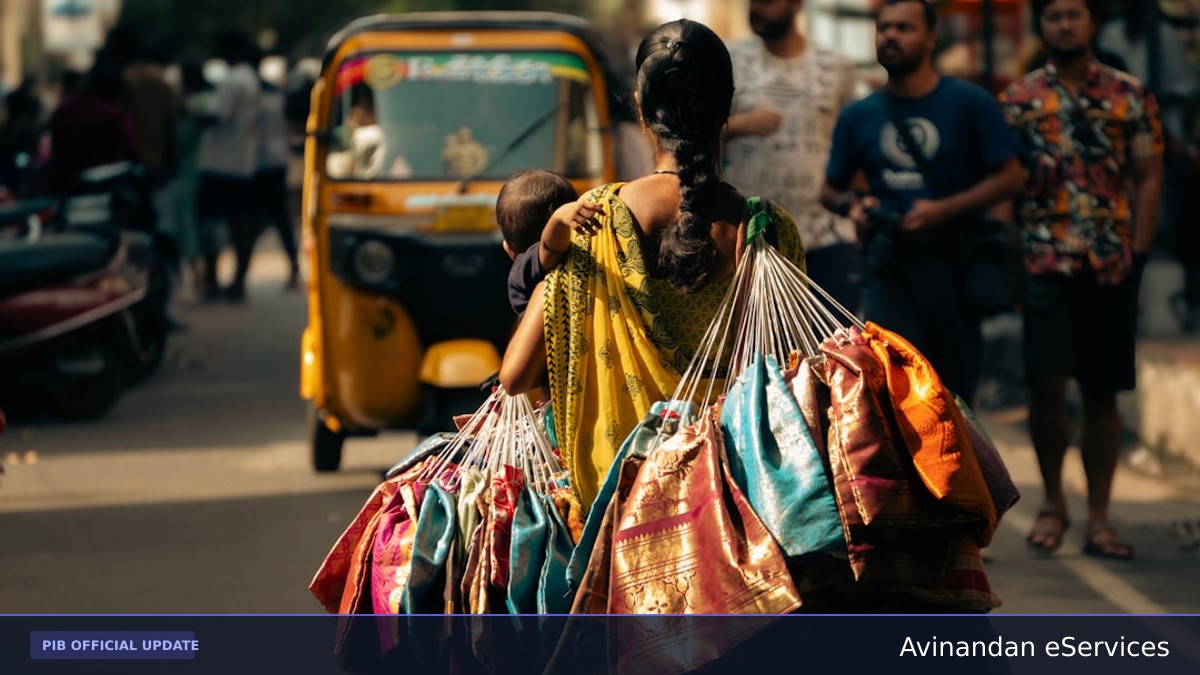
At the heart of the newly unveiled framework is the deliberate integration of gender-inclusive economic strategies. Prime Minister Shri Narendra Modi’s governance model firmly establishes that the economic empowerment of women serves as a foundational pillar for family prosperity and, by \textension, national growth. The launch of the ‘She-Mart’ model directly addresses the historical challenges faced by rural women in securing fair market access, fair pricing, and professional packaging for their home-grown or small-scale enterprise products.
By streamlining the agricultural and small-business value chain—encompassing procurement, processing, branding, packaging, and retail distribution—the Ministry of Cooperation is effectively eliminating middlemen. This structural shift ensures that maximum financial dividends remain within the hands of women entrepreneurs and farming households. Furthermore, national institutions such as NAFED and the National Cooperative Consumers' Federation of India (NCCF) are rapidly expanding their operational footprints. Currently connecting approximately 8 lakh farmers through NAFED and nearly 6 lakh women farmers through NCCF, these institutions are scaling up operations to create a formidable nationwide cooperative grid.
“Under the leadership of Prime Minister Shri Narendra Modi, when the woman of a household prospers, the entire family prospers. When a woman in the household is empowered, its impact is reflected in the empowerment of the entire family. Therefore, the Government’s objective is to ensure that the greatest benefits of ‘Sahkar se Samriddhi’ reach the rural and poor women of the country.” — Shri Amit Shah, Union Home Minister and Minister of Cooperation
Leveraging Keralam’s Rich Cooperative Legacy
Keralam holds a unique distinction in India’s socioeconomic landscape, boasting an exceptionally well-organised and mature cooperative movement that predates India’s independence. Historical regions like Travancore, Kochi, and Malabar laid robust foundations that continue to support more than 23,000 functioning cooperative institutions across the state today.
Recognizing this immense institutional capacity, Shri Amit Shah \textended an official invitation to Keralam’s Minister of Cooperation to visit New Delhi. The central government has expressed absolute readiness to ensure that Keralam \textracts the maximum possible advantage from central welfare and infrastructural schemes. Moreover, collaborative pathways have been opened to \textend targeted support toward organic agriculture, green farming practices, and sustainable rural technology deployment across the state.
National Economic Impact and Rising Female Labour Force Participation
The timing of these initiatives aligns with a broader macroeconomic shift across India. Government policy interventions targeted at grassroots financial inclusion, skill development, and cooperative modernization have yielded tangible outcomes. Official metrics highlight a commendable surge in India’s female labour force participation rate, which has climbed from approximately 23 percent in 2017-18 to nearly 40 percent in recent periods.
Initiatives like She-Mart, combined with micro-credit availability, digital banking integration, and direct benefit transfers, are cementing this upward trajectory. By transforming women from passive economic beneficiaries into active, self-sustaining entrepreneurs, the cooperative model is actively reshaping India’s rural GDP composition.
Frequently Asked Questions (FAQs)
What is the primary objective of the ‘She-Mart’ initiative launched in Keralam?
The ‘She-Mart’ initiative aims to directly connect women Self-Help Groups (SHGs) and rural women entrepreneurs with retail markets and consumers. It covers the entire value chain—from procurement and processing to branding, packaging, and retail sales—backed by institutions like NAFED, Kendriya Bhandar, and Amul.
How many She-Mart stores are planned for expansion?
The central government and participating cooperative bodies have laid out plans to establish over 300 She-Mart stores across the southern states of Kerala, Tamil Nadu, and Karnataka to promote local and Bharat Brand products.
Which ministry oversees the implementation of these cooperative and women empowerment schemes?
These initiatives are spearheaded by the Ministry of Cooperation, Government of India, under the visionary framework of “Sahkar se Samriddhi”.
How are farmers and consumers benefiting from NAFED’s mobile van operations in Keralam?
NAFED mobile vans ensure the direct and affordable supply of essential daily-use commodities—including onions, Bharat Atta, and Bharat Rice—to both farmers and the general public across the state, helping stabilize retail food prices.
Official Source & Verification
This article is grounded on the official press release issued by the Press Information Bureau (PIB), Government of India (Release ID: 2315341, Ministry of Cooperation). Access the official document: https://pib.gov.in/PressReleasePage.aspx?PRID=2315341&lang=1.