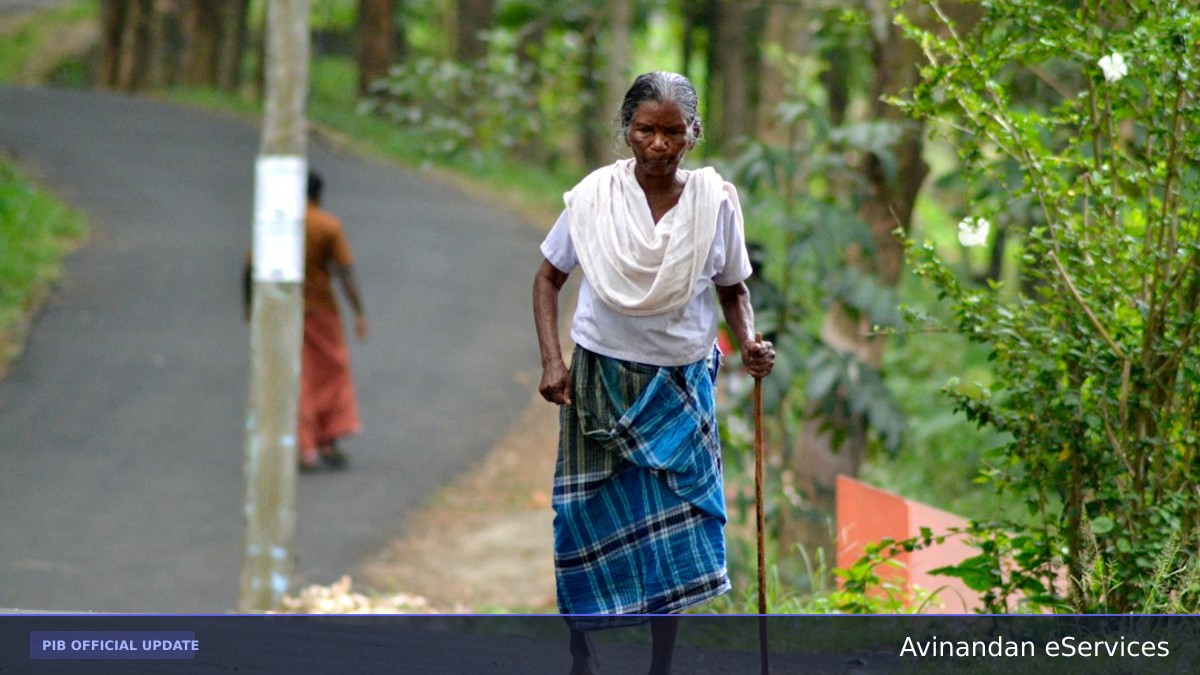
In a remarkable demonstration of civic duty and unwavering commitment to nation-building, the senior citizens residing at the Jay Shriram Senior Citizen Home in Kargani, Maharashtra, have stepped forward to lead a comprehensive cleanliness drive. Operated under the aegis of Atpadi Taluka Gramin Vikas Sanstha, this old age home has transformed into a beacon of inspiration, proving that age is never a barrier when it comes to serving society. Aligned directly with the vision of Prime Minister Narendra Modi to convert cleanliness into a sustained, people-led jan andolan, this initiative underscores the powerful concept of Jan Bhagidari—public participation—in fostering cleaner, healthier communities across rural and urban India.
The campaign, which forms an integral part of the nationwide Swachhata Hi Seva 2026 observance, carries the resonant theme “Swachhata Mein Sahbhag, Swachh Bharat, Viksit Bharat”. By taking brooms in hand and actively cleaning the premises and surrounding areas of their residential facility, the elderly residents sent out a profound message: environmental hygiene and civic responsibility are shared duties that transcend age, social standing, and physical limitations. This grassroots mobilization highlights the dynamic role that senior citizens can play in driving social awareness and community transformation.
Key Highlights & Major Announcements
- Core Location: Jay Shriram Senior Citizen Home, Kargani, Maharashtra, operated by Atpadi Taluka Gramin Vikas Sanstha.
- Campaign Framework: Conducted under the nationwide umbrella of the Swachhata Hi Seva 2026 initiative.
- Official Theme: “Swachhata Mein Sahbhag, Swachh Bharat, Viksit Bharat”.
- Core Objective: Promoting Jan Bhagidari (people's participation), community mobilization, and collective responsibility towards public hygiene.
- Ministry Overseeing: Ministry of Social Justice & Empowerment, Government of India.
- Key Impact: Demonstrating active social engagement, dignity, and inclusive community participation among senior citizens.
Contextual Analysis: Empowering Seniors Through Social Engagement
The initiative at Kargani is far more than a localized cleanliness drive; it represents a strategic socio-cultural shift orchestrated by the Ministry of Social Justice & Empowerment. Traditional governance models often view senior citizens primarily as beneficiaries of welfare schemes. However, contemporary public policy in India increasingly recognizes the elderly as vital stakeholders and active contributors to social progress.
By encouraging residents of old age homes to participate in national movements like Swachh Bharat, the Department of Social Justice & Empowerment actively promotes dignity, mental well-being, and active aging. Social engagement has consistently been proven to enhance the quality of life for senior citizens, instilling a deep sense of purpose and belonging. When elders take the lead in civic duties, they bridge generational divides, inspiring younger generations to take pride in physical labour and community upkeep.
The Spirit of Seva and Jan Bhagidari
The Swachhata movement has always relied on the bedrock of Seva (selfless service). The active involvement of the elderly residents at Kargani exemplifies this ethos. Their voluntary participation shatters conventional stereotypes about aging and dependency. Instead of remaining passive observers, these senior citizens have emerged as frontline ambassadors of cleanliness, proving that community transformation is most successful when it evolves into a people-led movement rather than remaining a mere government program.
“The active involvement of senior citizens reflects the inclusive character of the Swachhata movement, wherein every citizen can contribute meaningfully towards creating cleaner and healthier living environments.” — Ministry of Social Justice & Empowerment
Significance & National Impact
As India marches steadily toward the goal of a Viksit Bharat (Developed India) by 2047, cleanliness and public health remain foundational pillars. A clean nation attracts investment, boosts tourism, reduces the burden on public healthcare infrastructure, and improves the overall quality of life. The actions taken by the senior citizens of Kargani serve as a powerful catalyst for the wider community.
Furthermore, this campaign highlights the successful decentralization of the Swachhata mission. When remote rural institutions and old age homes embrace national sanitation goals with such unbridled enthusiasm, it demonstrates the deep penetration of administrative messaging and the universal resonance of Prime Minister Modi's cleanliness vision. It establishes a replicable template for eldercare institutions across the country, showing how institutional residents can remain actively tethered to national development goals.
Frequently Asked Questions (FAQs)
1. What is the theme of the Swachhata Hi Seva 2026 campaign?
The Swachhata Hi Seva 2026 campaign is being observed under the guiding theme “Swachhata Mein Sahbhag, Swachh Bharat, Viksit Bharat”, emphasizing active citizen and institutional participation in sanitation.
2. Which ministry oversees the welfare and engagement of senior citizens in such initiatives?
The initiative is supported and encouraged by the Department of Social Justice & Empowerment under the Ministry of Social Justice & Empowerment, Government of India.
3. Where was this specific senior citizen Swachhata drive conducted?
The cleanliness drive was conducted by the residents of Jay Shriram Senior Citizen Home located in Kargani, Maharashtra, which is operated by Atpadi Taluka Gramin Vikas Sanstha.
4. How does senior citizen participation impact the Swachh Bharat Mission?
The participation of elderly citizens reinforces the spirit of Jan Bhagidari, proving that cleanliness is a collective responsibility across all age groups and inspiring the wider community to adopt hygienic practices.
Official Source & Verification
This article is grounded on the official press release issued by the Press Information Bureau (PIB), Government of India (Release ID: 2315577, Ministry of Social Justice & Empowerment). Access the official document: https://pib.gov.in/PressReleasePage.aspx?PRID=2315577&lang=1.