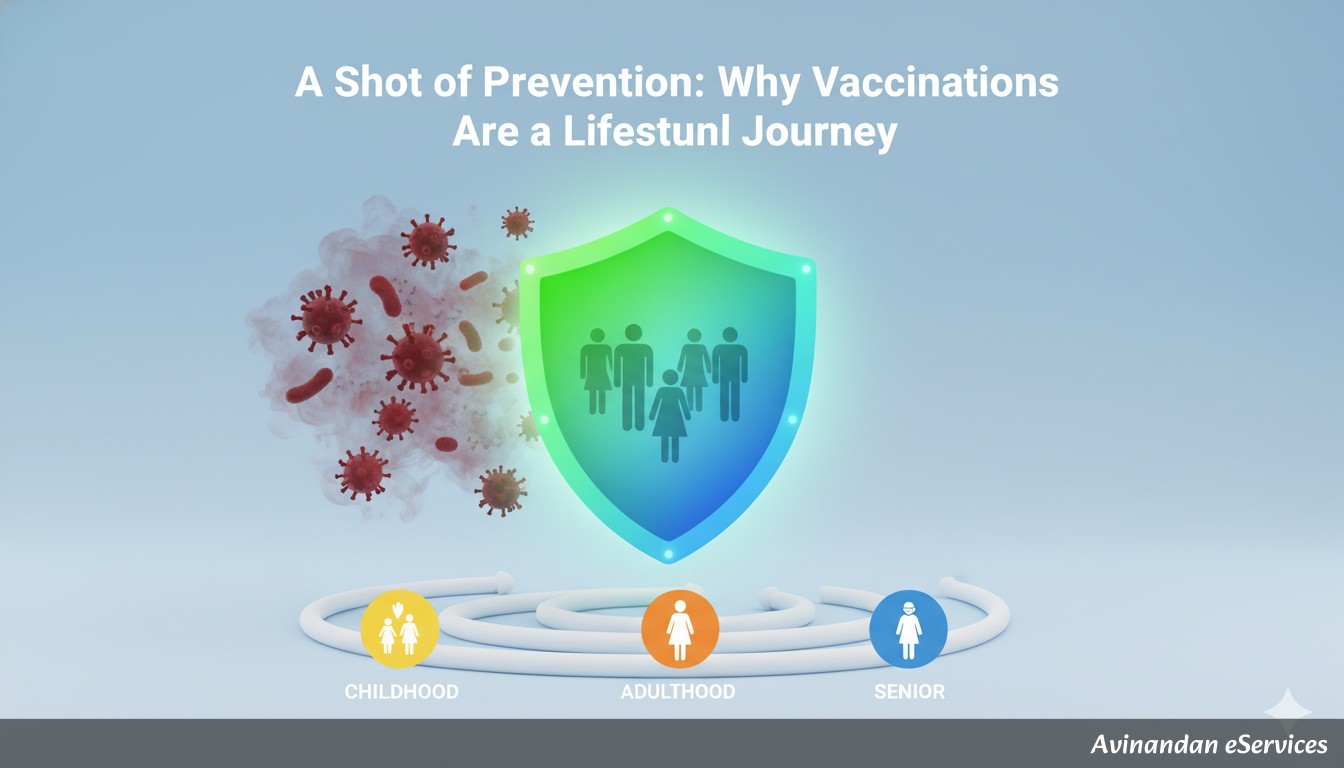
When most people think of vaccinations, they picture infants and toddlers receiving their routine childhood shots in a pediatrician's office. It is a common misconception that immunization is a milestone left behind once a person reaches adulthood. However, maintaining optimal health and wellness is a lifelong journey, and that includes staying up to date with your immunizations. Public health organizations around the world emphasize that vaccines are just as critical for adults as they are for children, offering a vital shield against preventable diseases, reducing the severity of illnesses, and protecting vulnerable members of the community.
As we age, our immune systems naturally undergo changes, becoming less robust in mounting rapid defenses against new or recurring pathogens. Furthermore, the immunity provided by childhood vaccines can wane over time, leaving gaps in our internal defense systems. Understanding which vaccines are recommended for adults and why they matter is a cornerstone of proactive, preventative healthcare.
Why Adult Vaccines Are Essential
Adult vaccination schedules are designed based on age, lifestyle, underlying health conditions, occupation, and previous immunization history. Staying current on these shots accomplishes several critical health objectives:
- Fading Immunity: Certain vaccines, such as those protecting against tetanus, diphtheria, and pertussis (whooping cough), require periodic booster shots every ten years to maintain effective protection.
- Emerging Age-Related Risks: As adults grow older, susceptibility to specific conditions increases. For instance, the virus that causes chickenpox in childhood can reactivate later in life as shingles, a painful condition that can be mitigated through targeted vaccination.
- Protecting High-Risk Populations: By getting vaccinated, you create a ring of protection around individuals who cannot receive certain vaccines—such as newborns, pregnant individuals, or those with compromised immune systems due to medical treatments.
Key Vaccines Recommended for Adults
While individual requirements vary based on medical advice and regional guidelines, several immunizations are routinely recommended for adult populations:
- Annual Influenza (Flu) Vaccine: Recommended yearly for nearly everyone aged six months and older, the flu shot significantly reduces the risk of severe illness, hospitalization, and flu-related complications, especially as circulating strains evolve annually.
- Tdap Booster: Protects against tetanus (lockjaw), diphtheria, and pertussis (whooping cough). A booster is generally recommended every decade, and a single dose is also specifically advised during every pregnancy.
- Shingles Vaccine: Health agencies typically recommend a two-dose series of the shingles vaccine for healthy adults starting at age 50 to prevent painful nerve complications and rashes.
- Pneumococcal Vaccines: These protect against pneumococcal bacteria, which can cause severe infections like pneumonia, meningitis, and bloodstream infections. They are routinely recommended for older adults and younger individuals with specific chronic health risks.
Actionable Steps to Manage Your Immunization Health
Taking charge of your adult vaccination record is straightforward if you follow a structured approach:
- Review Your Records: Locate your personal immunization history or consult your primary care provider to find out which shots you have received and which ones you may have missed.
- Consult Your Healthcare Provider: Schedule a routine wellness check-up to discuss your lifestyle, upcoming travel plans, or any chronic conditions that might influence your specific vaccine needs.
- Keep a Log: Maintain an updated digital or paper copy of your vaccination record and bring it with you to medical appointments to prevent duplicate doses or missed opportunities.
References
- World Health Organization (WHO): Immunization guidelines and global vaccine safety updates.
- Centers for Disease Control and Prevention (CDC): Adult Immunization Schedule and Vaccine Safety Information.
- National Health Service (NHS): Vaccination schedule and adult booster guidance.
- Mayo Clinic: Adult Vaccinations: Which do you need?
Important Disclaimer
The information provided in this blog post is for educational and informational purposes only and is not intended as a substitute for professional medical advice, diagnosis, or treatment. Always seek the advice of your physician or other qualified health provider with any questions you may have regarding a medical condition or vaccination schedule. Never disregard professional medical advice or delay in seeking it because of something you have read on this website.